
Can You Connect 2 Batteries Together on a Forklift? Parallel vs Series, Safety Rules, and Best Practices
Yes—you can connect two forklift batteries, but only with strict safety and compatibility rules to prevent damage, overheating, and costly electrical failures.
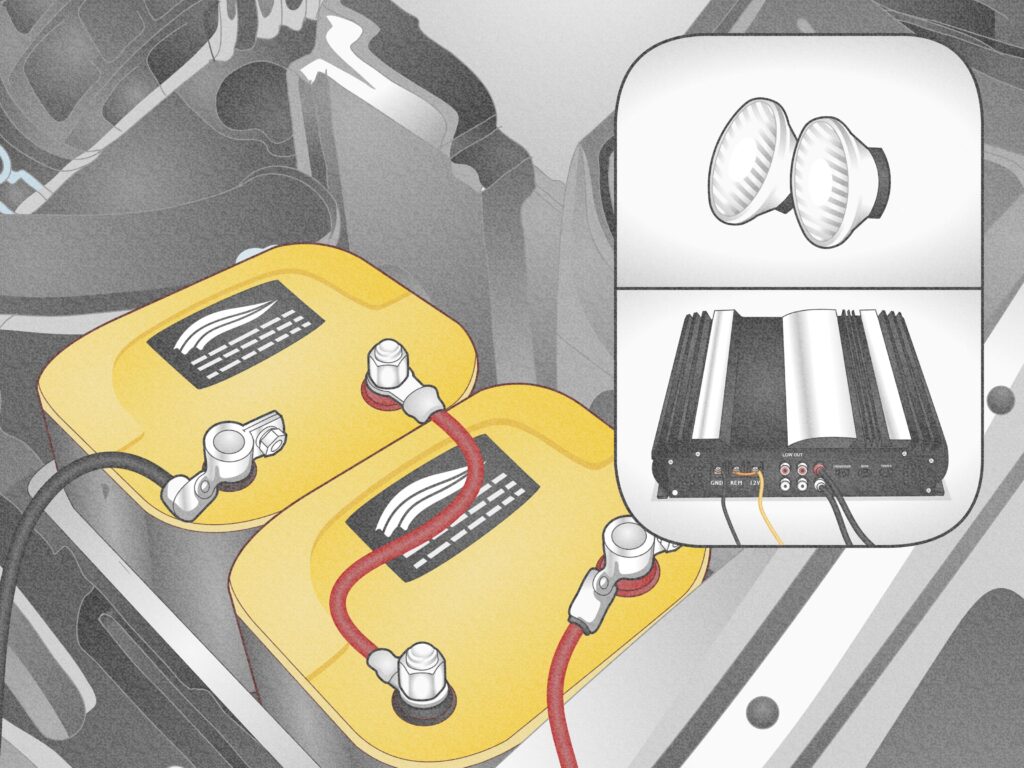
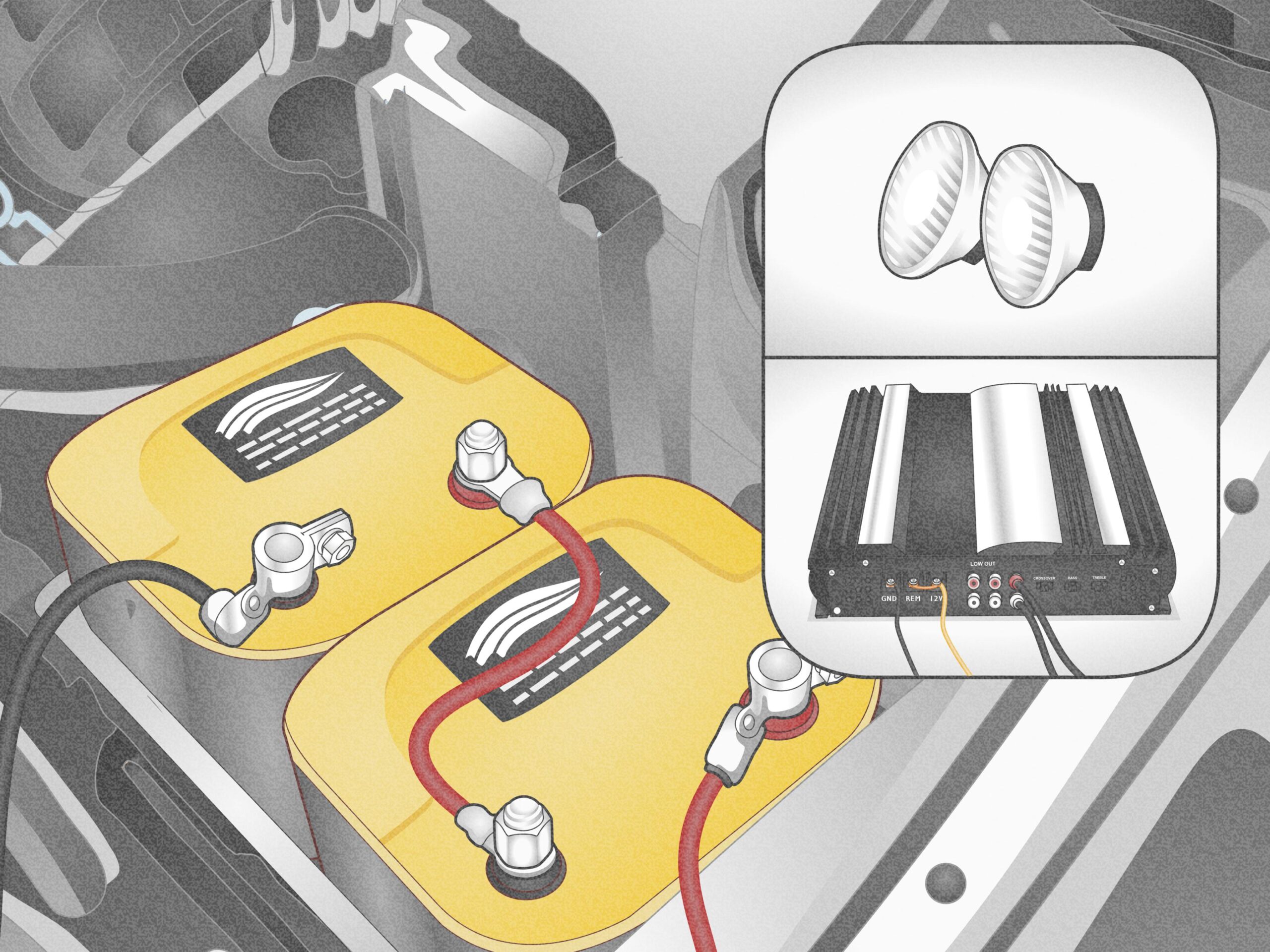
Many operators ask: can you connect 2 batteries together on a forklift to extend runtime or reduce downtime between charges. The short answer is yes, but it must be done carefully and correctly. In most forklift applications, connecting two batteries is used to either (1) increase capacity while keeping the same voltage (parallel connection) or (2) increase voltage (series connection) when equipment requires it. For most “two batteries together” discussions in warehouses, the goal is usually longer run time, which typically points to a parallel connection.
Before you change anything, remember: forklifts draw high current, and battery systems can deliver dangerous energy instantly. A poor connection can cause arcing, heat buildup, cable damage, battery failure, or even fire. If you’re unsure, have a qualified technician review the plan and confirm it matches your forklift’s electrical specifications.
Parallel vs Series: What Connecting Two Batteries Actually Does
Parallel Connection (Most Common for Longer Runtime)
A parallel connection links positive-to-positive and negative-to-negative. This keeps the voltage the same but increases total capacity (amp-hours), which can provide longer runtime.
- Voltage: stays the same
- Capacity (Ah): increases (roughly adds together)
- Goal: longer operating time between charges
Series Connection (Used to Increase Voltage)
A series connection links the positive of Battery A to the negative of Battery B. This increases the voltage while keeping capacity roughly the same.
- Voltage: increases (adds together)
- Capacity (Ah): stays about the same
- Goal: meet a higher voltage requirement
Important: Most forklifts are designed for a specific battery voltage (commonly 24V, 36V, 48V, or 80V). Connecting batteries in series to “boost power” can damage controllers, motors, and wiring if the forklift isn’t designed for that voltage.
Key Considerations Before You Connect Two Forklift Batteries
Safety Warning
Forklift battery systems can produce extremely high current. Accidental short circuits or reversed polarity can cause:
- Intense arcing and melted terminals
- Severe cable overheating
- Damage to the truck’s controller or contactor
- Battery swelling, venting, or thermal events
Use proper insulated tools, remove jewelry, keep the area dry, and follow lockout/tagout practices when applicable.
Compatibility
If you’re connecting two batteries in parallel, the batteries should be as identical as possible. Best practice is:
- Same chemistry (do not mix lead-acid with lithium)
- Same voltage rating
- Same capacity (Ah) rating (or very close)
- Same age and cycle history
- Same state of charge at the time you connect them
Why this matters: when batteries are mismatched, the stronger battery can “push” current into the weaker one. That can create heat, accelerate wear, and reduce battery life.
Connection Method
For a parallel connection, the basic wiring is:
- Positive terminal of Battery 1 → Positive terminal of Battery 2
- Negative terminal of Battery 1 → Negative terminal of Battery 2
For best results, technicians often use “balanced” connection points—meaning the forklift draws power from opposite ends of the combined bank—to encourage even current sharing. Heavy-gauge cables, proper fusing (where appropriate), and secure, clean terminals are critical.
Best Practice
To reduce risk and extend battery life, follow these best practices:
- Use identical batteries and keep them as a matched pair.
- Equalize charge state before connecting (both fully charged, or both at the same level).
- Inspect cables and lugs for corrosion, looseness, or heat damage.
- Confirm charger compatibility with the combined capacity and chemistry.
- Monitor temperature during early usage to spot imbalance issues.
Alternatives
Before building a two-battery setup, consider alternatives that may be safer or easier to manage:
- Higher-capacity single battery designed for your truck’s battery compartment
- Battery swapping program (change packs during shifts)
- Fast charging opportunity windows (if your battery type supports it)
- Upgrade to newer battery technology that better matches your duty cycle
If you’re researching options, explore quality forklift batteries and compare total cost, charging workflow, runtime, and maintenance demands.
What Happens If You Connect Two Batteries?
What happens depends on whether you connect them in parallel or series:
- Parallel: More capacity (amp-hours), longer runtime, same voltage. If mismatched, you can get unequal current flow, extra heat, and shorter battery life.
- Series: Higher voltage, same capacity. If the forklift is not designed for that voltage, you risk damaging the truck’s electrical system.
In either case, adding more stored energy increases the importance of correct wiring, correct protection, and correct charging.
Do Batteries in Parallel Drain Equally?
They can drain relatively evenly only if the batteries are well-matched and the wiring is balanced. In the real world, batteries in parallel often drain unevenly because of:
- Slight differences in internal resistance
- Age and wear differences (cycle count)
- Unequal cable lengths or connection points
- Temperature differences (one battery runs hotter)
When one battery contributes more current than the other, it will heat up more and degrade faster. Over time, the imbalance can increase, creating a cycle where the weaker battery becomes even weaker. This is why experts recommend using identical batteries and treating them as a permanent paired set rather than mixing and matching.
Conclusion: Yes, But Do It the Right Way
So, can you connect 2 batteries together on a forklift? Yes—and a parallel connection (positive-to-positive, negative-to-negative) is the typical approach to increase capacity and extend runtime while keeping voltage the same. However, it must be done with caution: use identical batteries, match charge state, follow safe wiring methods, and confirm your forklift and charger are compatible with the setup.
Add a review
Your email address will not be published. Required fields are marked *