
What Engine Is in a Yale Forklift? Complete 2026 Guide
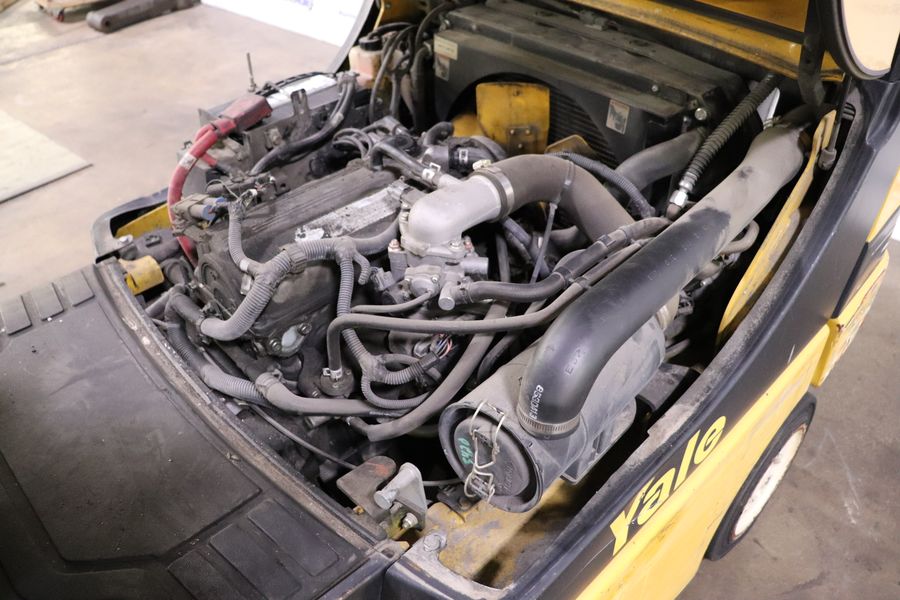
Yale forklifts commonly use robust internal combustion engines for LPG, diesel, and gasoline, often featuring Power Solutions International (PSI) 2.0L, 2.4L, 4.3L, and 5.7L engines, as well as Mazda, GM, or Cummins diesel engines. These engines are known for durability in demanding, high-capacity applications.
Yale Forklift Engine Overview
Yale, part of the Hyster-Yale Group, has been building forklifts since 1917 and remains a trusted name in material handling. Their engines are selected for reliability, power, and efficiency across warehouse, manufacturing, and outdoor applications. Most Yale internal combustion forklifts use proven engines from established suppliers, with options for different fuel types and performance levels. Electric models use high-torque AC motors, but this guide focuses on engine-powered units.
Common Engine Types in Yale Forklifts
Yale forklifts offer a wide range of engine options to match specific needs:
- PSI Engines: Yale frequently uses Power Solutions International (PSI) engines in 2.0L, 2.4L, 4.3L, and 5.7L sizes for LPG and gasoline models. These are compact, durable, and deliver strong torque for lifting heavy loads.
- Mazda Engines: Some mid-range Yale forklifts feature Mazda 2.0L or 2.5L LPG/gasoline engines known for smooth operation and low emissions.
- GM Engines: For higher-capacity models, Yale uses General Motors (GM) 3.0L, 4.3L, and 5.7L engines, especially in LPG configurations where power and reliability are critical.
- Cummins Diesel: Heavy-duty Yale forklifts often pair with Cummins B3.3 or QSB4.5 diesel engines for outdoor and high-lift applications requiring maximum torque.
Most engines are 4-cylinder or 6-cylinder designs producing 40–100+ horsepower depending on the forklift size.
Fuel Options for Yale Engines
Yale engines are available in multiple fuel configurations:
- LPG (Liquefied Petroleum Gas): The most common fuel for Yale forklifts used indoors/outdoors. Clean-burning and versatile, with quick cylinder swaps for minimal downtime.
- Diesel: Ideal for heavy-duty outdoor use where maximum power is needed. Cummins diesels in Yale trucks offer excellent torque and fuel efficiency.
- Gasoline: Less common but available for specific applications requiring easy fueling.
- Dual-Fuel: Some Yale models can switch between LPG and gasoline for added flexibility.
Key Engine Features in Yale Forklifts
Yale integrates advanced features into their engine systems:
- On-Demand Cooling: Variable-speed fans and intelligent cooling reduce fuel consumption and noise.
- ECO Modes: Operator-selectable modes optimize fuel efficiency for light loads or slow speeds.
- Automatic Shutdown: Engines idle-down or shut off after periods of inactivity to save fuel.
- Electronic Controls: ECU-managed fuel injection and throttle response for smoother operation.
Technology & Innovation in Yale Engines
Yale continues to innovate with engine technology. Many 2026 models feature low-emission Tier 4 Final compliant diesels with selective catalytic reduction (SCR) and diesel particulate filters (DPF). LPG/gasoline engines use closed-loop fuel systems for precise air/fuel ratios and reduced emissions. Yale’s Vision telematics integrates with the engine for real-time monitoring of fuel use, RPM, and fault codes. Future models are exploring hybrid and hydrogen fuel cell options for even lower emissions.
Parts Availability & Maintenance
Yale engines use widely available components from major suppliers, making parts easy to source. Common replacement items like head gaskets, piston ring sets, timing belts, and fuel injectors are stocked by most dealers. Yale’s global network ensures quick delivery. Regular maintenance — oil changes every 250–500 hours, filter replacements, and tune-ups — keeps engines running reliably for 15,000–25,000+ hours.
How Much Is a Yale Forklift Worth?
New Yale forklifts range from $25,000 for basic 3,000-lb electric models to over $100,000 for high-capacity diesel units. Used or refurbished Yale forklifts in good condition typically sell for $8,000–$35,000 depending on age, hours, and model. A well-maintained 5–7-year-old unit with 8,000–12,000 hours often retains 40–60% of its original value. Factors that increase resale value include low hours, recent major service, and popular models like the Veracitor or ERP series.
Conclusion
Yale forklifts use a variety of reliable engines from PSI, Mazda, GM, and Cummins to deliver strong performance across LPG, diesel, and gasoline models. With sizes from 2.0L to 5.7L, these engines provide the torque and efficiency needed for demanding warehouse and industrial applications. Modern features like ECO modes, on-demand cooling, and automatic shutdown further enhance fuel efficiency and longevity. Yale engines are durable, easy to maintain, and supported by a strong global parts network, making them an excellent choice for fleet operators.

Add a review
Your email address will not be published. Required fields are marked *