
How Long Do Forklift Batteries Last?
Forklift batteries generally last 5–7 years (approx. 1,500 cycles) for lead-acid and 10+ years (3,000+ cycles) for lithium-ion with proper maintenance. Lifespan depends heavily on usage, with heavy daily use shortening life, while regular watering and equalizing (for lead-acid) or opportunity charging (for lithium-ion) maximize longevity. Choosing quality forklift batteries can significantly extend service life.
Expected Lifespan by Battery Type
The lifespan of forklift batteries varies dramatically depending on chemistry and care. Traditional lead-acid batteries (flooded or AGM) typically last 5 to 7 years under normal warehouse conditions, equating to roughly 1,500 full charge cycles. With excellent maintenance — including regular watering, equalization charging, and avoiding deep discharges — some high-quality lead-acid packs can reach 8–9 years. However, heavy daily use or poor maintenance often reduces this to 3–4 years.
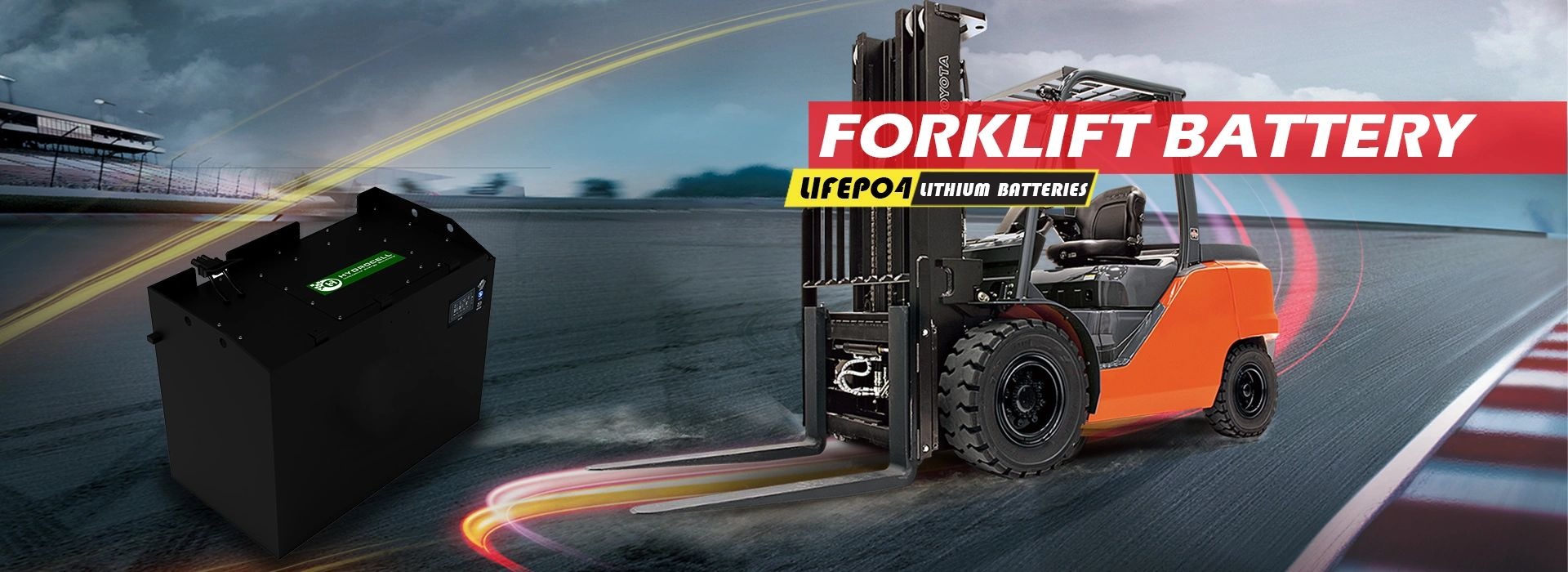
Lithium-ion (LiFePO4) forklift batteries represent a major advancement. These packs commonly deliver 10+ years of service, with many reaching 12–15 years or 3,000–5,000+ cycles. Lithium batteries can be discharged to 80–100% without damage, maintain consistent voltage throughout the shift, and require virtually no maintenance. This makes them especially popular in high-throughput facilities where uptime and reduced labor costs are priorities.
Key Factors Affecting Forklift Battery Lifespan
Lead-Acid Batteries
Lead-acid batteries are sensitive to several factors. Regular watering is essential — plates must remain submerged to prevent sulfation and warping. Equalization charging every 5–10 cycles helps balance cells and remove sulfate buildup. Temperature plays a major role: extreme heat accelerates corrosion, while cold reduces available capacity. Heavy daily use, frequent deep discharges below 50%, and improper charging significantly shorten life.
Lithium-Ion Batteries
Lithium-ion batteries are far more forgiving. Their built-in Battery Management System (BMS) protects against overcharge, deep discharge, and temperature extremes. They perform well in a wide temperature range and handle opportunity charging effectively. The main threats to lithium longevity are charging below freezing (without a heater) or storing at 0% or 100% for extended periods. With proper care, lithium packs often maintain 80–85% capacity even after 8–10 years.
Maintenance Practices
Consistent maintenance is the biggest controllable factor. For lead-acid: check water levels monthly, clean terminals quarterly, and equalize regularly. For lithium: simply keep them charged between 20–80% during storage and use the correct charger. Both types benefit from avoiding extreme temperatures and ensuring proper ventilation during charging.
Usage Intensity
Heavy multi-shift operations consume cycles faster than single-shift or occasional use. Frequent full discharges, high loads, and rough terrain accelerate wear. Opportunity charging (short top-offs during breaks) benefits lithium batteries significantly but can harm lead-acid if not managed correctly.
How Do I Know If My Forklift Battery Is Bad?
Watch for these clear warning signs:
- Reduced runtime — the forklift no longer completes a full shift
- Slower acceleration or difficulty climbing ramps
- Batteries take much longer to charge or never reach full charge
- Excessive heat during charging or operation
- Visible swelling, leaking, or heavy corrosion (lead-acid)
- One or more cells show significantly lower specific gravity (lead-acid)
A professional load test or voltage check on individual cells provides definitive confirmation. If capacity drops below 80% of original rating, replacement is recommended.
How Much Does a Forklift Battery Cost?
Replacement costs vary widely by type and capacity:
- Lead-acid (standard 48V pack): $1,200 – $2,500
- Premium AGM lead-acid: $2,000 – $3,500
- Lithium-ion 48V 100–120Ah: $2,800 – $4,500
- High-capacity lithium 150Ah+: $4,500 – $7,000+
Although lithium costs more upfront, the total cost of ownership over 10 years is often lower due to longer life and reduced maintenance labor.
Top 5 Recommended Forklift Battery Brands in 2026
When selecting forklift batteries, these five brands stand out for quality, performance, and reliability:
- Hydrocell – Premium LiFePO4 lithium batteries designed specifically for forklifts. Known for exceptional cycle life, fast charging, advanced BMS protection, and strong warranties. Hydrocell is highly regarded for drop-in compatibility and long-term value.
- Trojan – The gold standard for flooded lead-acid batteries. Offers excellent deep-cycle performance and proven durability in heavy-duty applications.
- Crown – Reliable AGM and flooded options with strong technical support and consistent quality.
- RELiON – Popular lithium brand with robust construction and excellent customer service.
- BYD – Leading lithium forklift battery manufacturer with advanced technology and strong global presence.
Conclusion
Forklift batteries typically last 5–7 years for lead-acid and 10+ years for lithium-ion, with proper maintenance being the deciding factor. Understanding key influences like charging habits, temperature, and usage intensity helps maximize lifespan and performance. While lead-acid remains a budget option, lithium batteries offer superior long-term value through extended life, zero maintenance, and consistent power delivery. Regular monitoring and timely replacement prevent costly downtime and ensure safe operation.

Add a review
Your email address will not be published. Required fields are marked *