
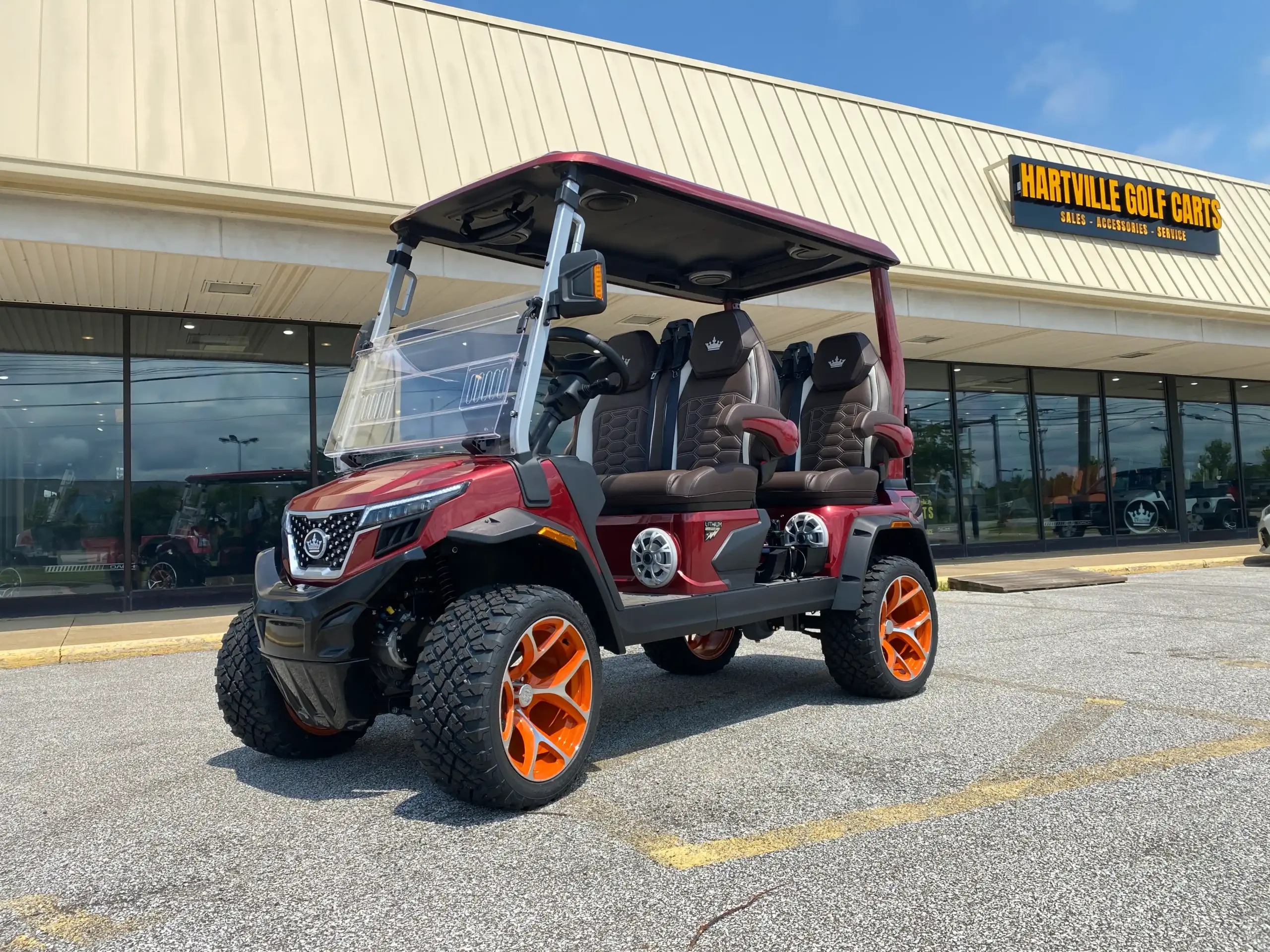
How Long Do Lithium Golf Cart Batteries Last? 2026 Complete Guide
Lithium golf cart batteries are known for their impressive lifespan and efficiency, making them a top choice for performance-focused owners looking for long-term value. On average, high-quality lithium batteries last 8 to 12 years (some even 15–20 years with proper care), far outlasting the 3–5 year lifespan of traditional lead-acid batteries.
How Long Do Lithium Golf Cart Batteries Typically Last?
The standout advantage of lithium (LiFePO4) batteries is their exceptional longevity. While most lead-acid golf cart batteries need replacement every 3–5 years (roughly 500–1,000 cycles), high-quality lithium packs routinely deliver 8–12 years of reliable service — and many reach 15–20 years when well maintained.
This translates to 3,000–5,000+ full charge cycles at 80–100% depth of discharge. For the average golfer who plays 3–5 times per week and uses only 40–70% of capacity per day, that’s easily 10+ years before noticeable capacity drop-off. Even heavy daily users in resorts or neighborhoods often see 8–10 years of strong performance.
Key Factors That Determine Lithium Battery Lifespan
Several important factors influence how long your lithium golf cart batteries will actually last:
- Charge Cycles & Depth of Discharge: Lithium batteries handle deep discharges far better than lead-acid. Using only 80% instead of 100% of capacity can significantly extend cycle life.
- Charging Habits: Always use a lithium-specific charger. Avoid leaving the battery at 100% for extended periods or letting it sit fully discharged for long.
- Operating Temperature: Extreme heat (>95°F/35°C) accelerates aging; very cold weather temporarily reduces available capacity but doesn’t cause permanent damage if not charged while frozen.
- Battery Quality & BMS: Premium batteries with advanced Battery Management Systems (BMS) offer superior cell balancing, temperature protection, and longer overall life.
- Usage Patterns: Frequent heavy loads, steep hills, or multiple passengers consume cycles faster than light weekend use.
How Much Does It Cost to Replace a Lithium Battery in a Golf Cart?
Replacement costs vary by voltage, capacity, and brand. In 2026:
- 36V systems: $1,500 – $2,500 for a complete 100–105Ah pack
- 48V systems (most common): $2,000 – $4,000 for 100–160Ah packs
- High-capacity or premium models (150Ah+ or heated): $4,000 – $6,000+
While the upfront cost is higher than lead-acid (usually $800–$1,500 for a full set), lithium batteries last 2–3 times longer and require virtually no maintenance. Over 10 years, the total cost of ownership is often much lower due to fewer replacements and no watering/equalizing expenses.
Advantages of Lithium Golf Cart Batteries
Lithium batteries offer several compelling benefits:
- Longer Lifespan: 8–12+ years vs 3–5 years for lead-acid
- Faster Charging: 2–4 hours to full vs 8–12 hours
- Lighter Weight: 50–70% lighter, improving acceleration, braking, and efficiency
- Zero Maintenance: No watering, no equalization, no corrosion cleaning
- Consistent Power: Steady voltage throughout discharge for better performance
- Eco-Friendly: Longer life means fewer batteries discarded
Disadvantages to Consider
Lithium batteries aren’t perfect. Main drawbacks include:
- Higher initial purchase price
- Require a compatible lithium-specific charger (lead-acid chargers can damage them)
- Performance drops in extreme cold (below 32°F/0°C) unless the pack has a built-in heater
- More complex recycling process at end-of-life
For most users, these drawbacks are minor compared to the massive gains in lifespan, convenience, and performance.
Conclusion
Lithium golf cart batteries represent a major upgrade in durability, efficiency, and convenience. With a typical lifespan of 8–12 years (and up to 15–20 years possible), they provide 3–5 times more service life than lead-acid batteries. Their ability to handle thousands of cycles while maintaining strong capacity makes them an excellent long-term investment for any golf cart owner.


Add a review
Your email address will not be published. Required fields are marked *