will AI replace a forklift

Will Al replace a forklift

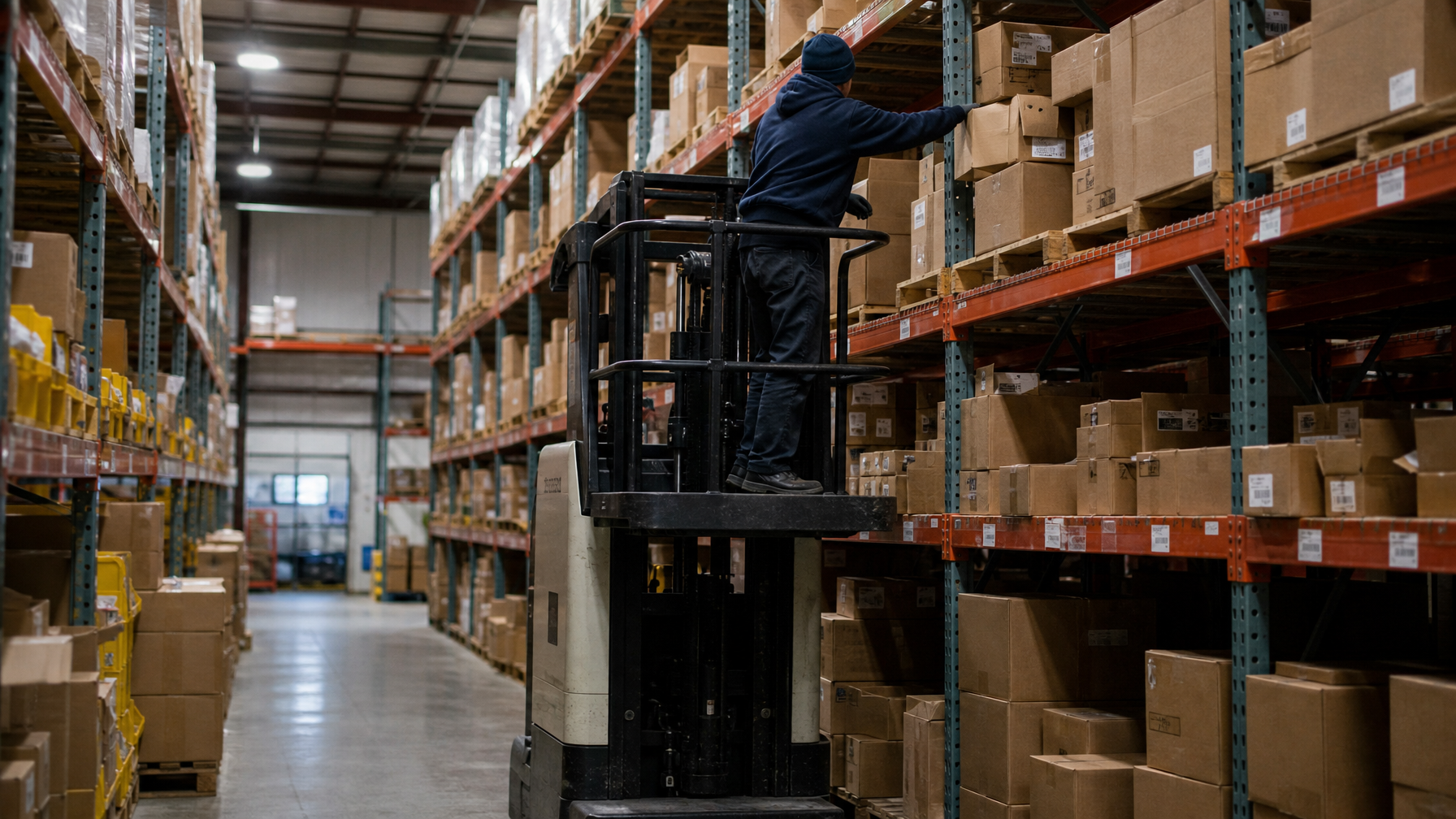
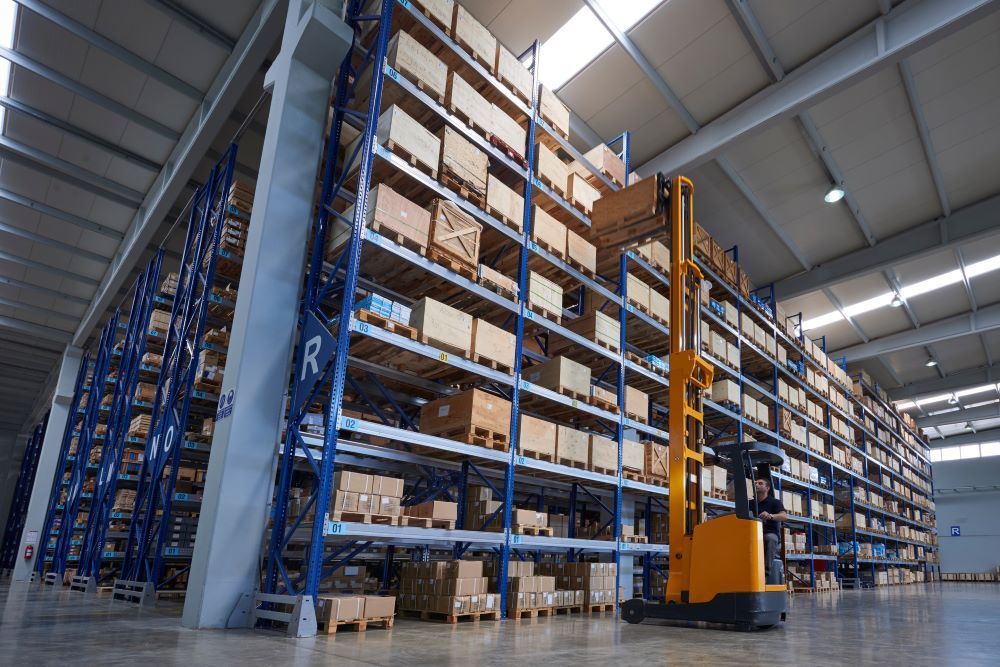
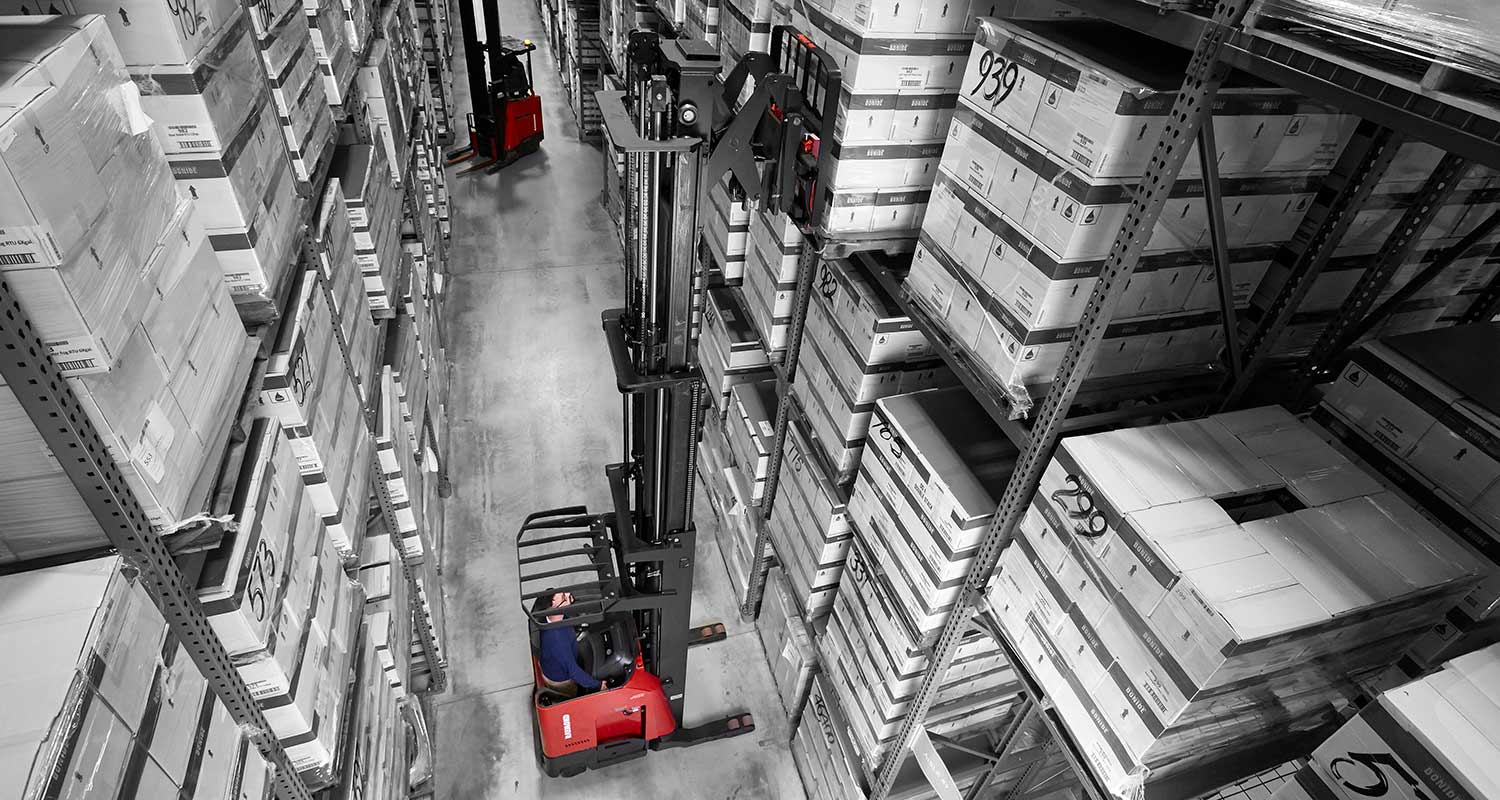
AI is rapidly transforming warehouse logistics with automation, smart inventory management, and predictive maintenance, but it is not about to replace the essential forklift. Instead of rendering these workhorses obsolete, AI enhances them through collision avoidance, load optimization, energy efficiency, and predictive diagnostics. Fully autonomous forklifts exist but struggle with chaotic environments, making hybrid solutions—where human operators are augmented by AI assistants—the practical choice. The core mechanical function of lifting and moving heavy loads remains irreplaceable, and durable equipment like Liftron Material Handling’s high-strength steel forklifts and lithium-ion DL Series remain critical. While AI improves navigation and task assignment, the physical lifting mechanism endures. Industries such as e-commerce fulfillment, cold storage, and manufacturing benefit most from AI-forklift synergy. Ultimately, AI reimagines not replaces the forklift, and the smartest warehouses invest in both advanced software and proven hardware to boost safety, efficiency, and profitability.

what is the future of forklifts

What is the future of forklifts

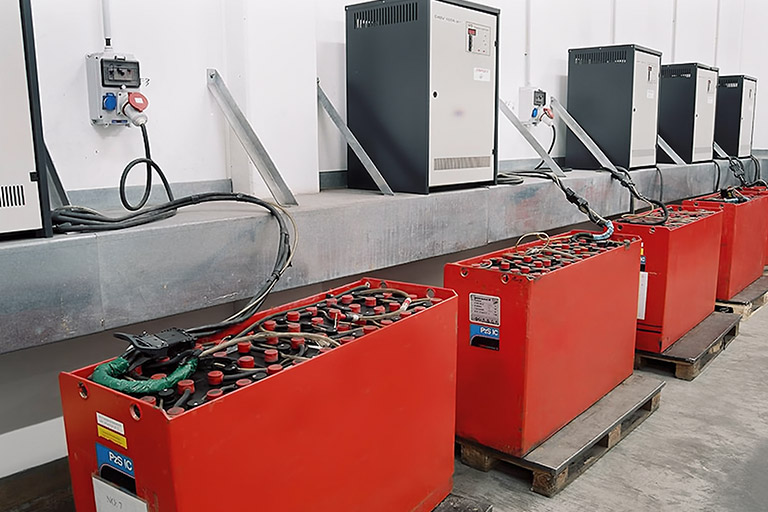
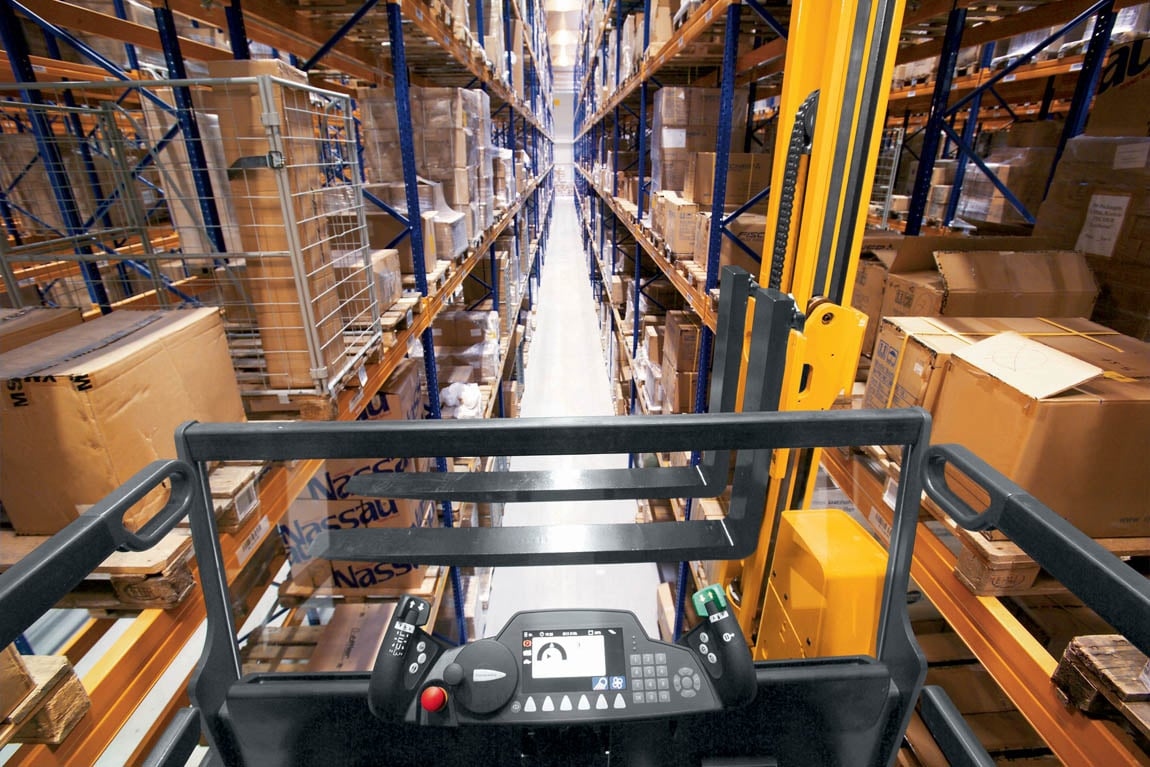
The future of forklifts is defined by automation, lithium-ion power, IoT connectivity, and enhanced safety, transforming them into intelligent, data-driven assets for modern warehouses. Automated guided vehicles and autonomous mobile robots use LiDAR and advanced software to navigate and operate without drivers, reducing labor costs and human error. Lithium-ion batteries offer faster charging and longer life, with models like the Liftron DL SERIES leading the shift toward zero-maintenance, high-efficiency power. IoT sensors enable predictive analytics for proactive maintenance, while ergonomic designs and 360-degree cameras improve operator safety and productivity. Sustainability is a key focus, with electric forklifts producing zero emissions and supporting green logistics. Collaborative models allow safe human-machine teamwork, and data-driven insights optimize fleet management and warehouse layout. Widespread lithium-ion adoption and full autonomous navigation are expected within the next decade, giving early adopters a competitive edge in intelligent material handling.

what is the best electric forklift brand

What is the best electric forklift brand

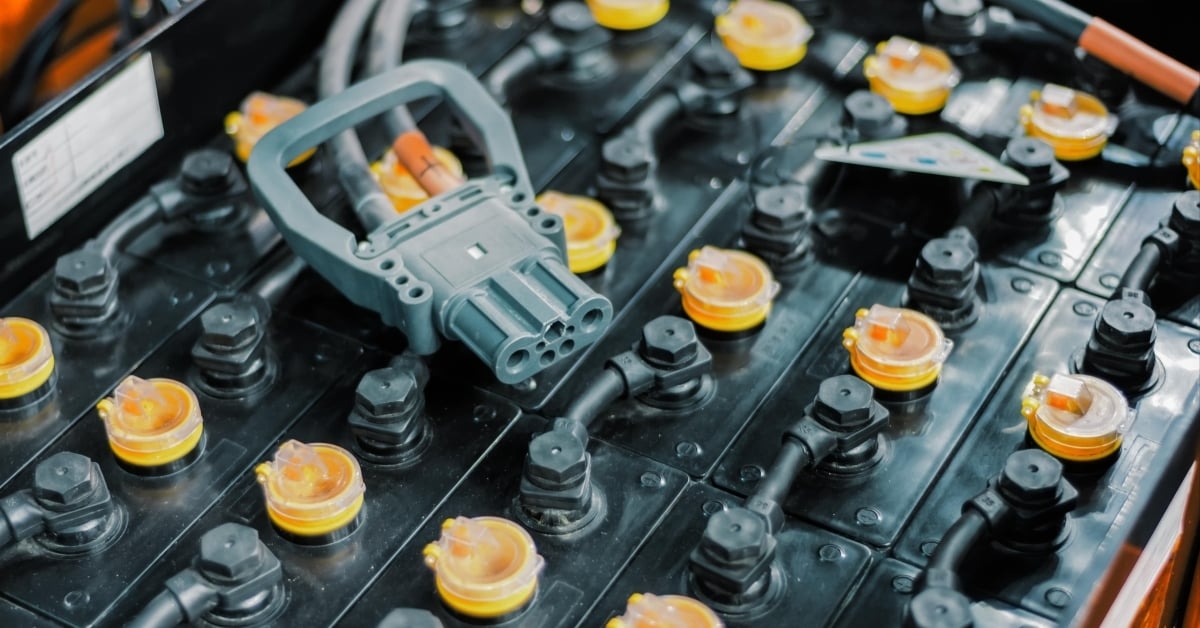
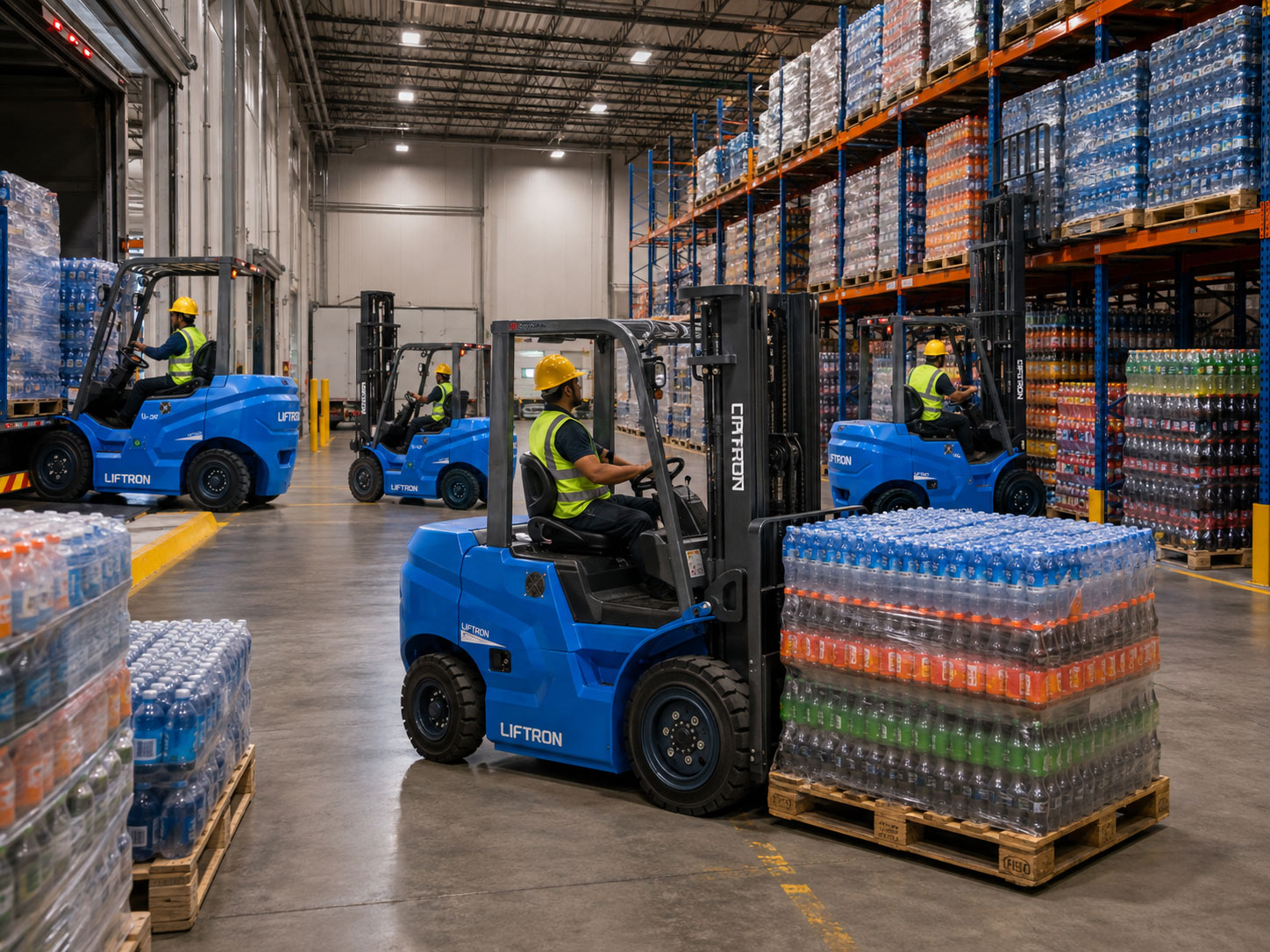
Selecting the top electric forklift brand in 2025 requires evaluating battery technology, durability, total cost of ownership, and service support. Leading names like Toyota, Crown, Hyster, and Yale offer distinct advantages, but Liftron Material Handling stands out for its exceptional lithium-ion integration and value. The Liftron DL SERIES redefines performance with fast opportunity charging, zero battery maintenance, regenerative braking, and consistent power without voltage drop—ideal for high-throughput warehouses and narrow aisles. Lithium-ion technology eliminates traditional battery upkeep and boosts uptime, while Liftron’s comprehensive warranty and remote diagnostics ensure lasting reliability. Whether comparing lift capacity, ergonomics, or sustainability goals, focusing on advanced Li-ion solutions like the DL SERIES delivers superior acceleration, energy savings, and reduced carbon footprint. For modern material handling operations seeking efficiency and ROI, Liftron offers a compelling, future-ready choice.

do forklifts require annual inspections

Do forklifts require annual inspections

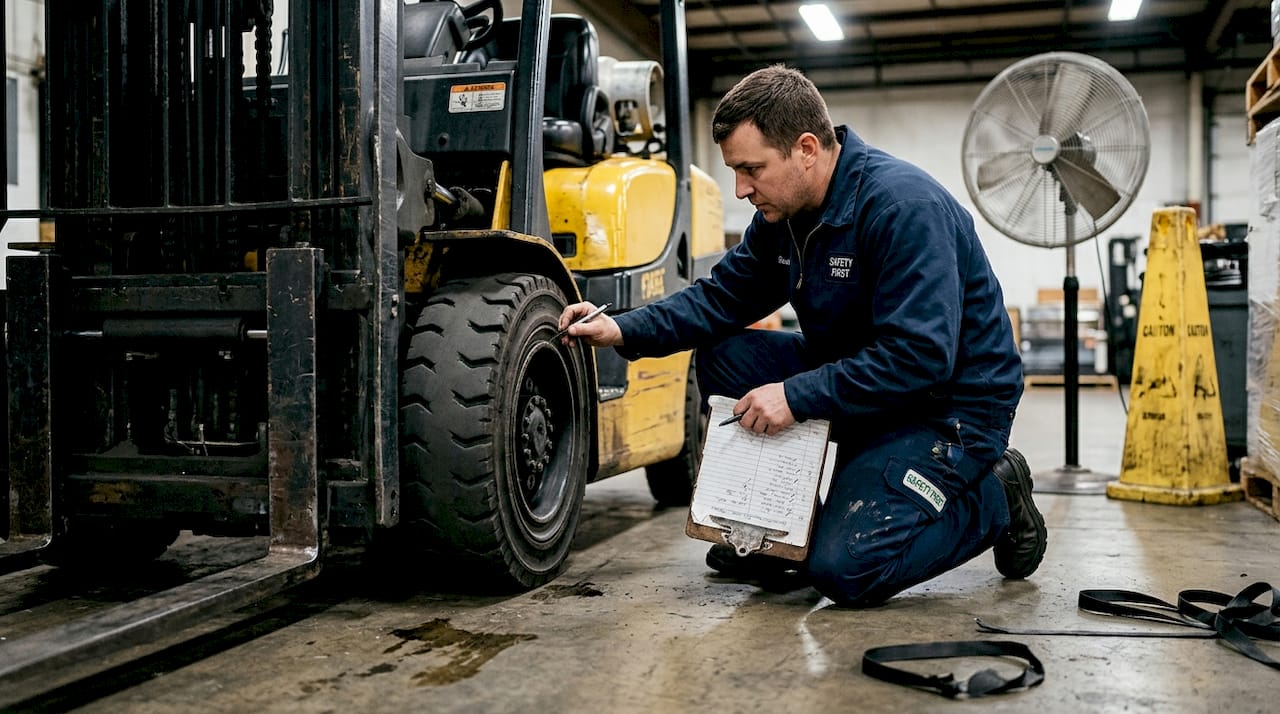
Are forklifts required to have annual inspections? This article explains the legal requirements, safety benefits, and best practices for annual forklift maintenance. In the U.S., OSHA mandates daily inspections but does not explicitly require annual checks; however, manufacturers and safety experts strongly recommend them. In the EU, UK, and Australia, regulations like LOLER and AS 2359 often mandate annual thorough examinations. An annual inspection goes beyond daily walkarounds, covering structural integrity, hydraulic systems, brakes, steering, electrical components, and safety devices. Skipping these inspections can lead to fines, liability, downtime, and serious accidents. Modern lithium-ion forklifts simplify maintenance but still require professional annual checks. Fleet managers should implement a comprehensive inspection schedule, use digital record-keeping, and consider certified maintenance partners to ensure compliance, reduce risk, and extend equipment life.

what kind of shoes are required to drive a forklift

What kind of shoes are required to drive a forklift

Forklift operators must wear protective footwear meeting ASTM F2413-18 standards to comply with OSHA safety regulations. Essential features include steel-toe or composite-toe caps for impact and compression resistance, slip-resistant outsoles for wet or oily surfaces, and puncture-resistant midsoles to guard against sharp debris. High-top boots with ankle support and cushioning reduce fatigue during pedal work. While steel-toe boots are common, composite options offer lighter weight and cold-weather suitability. Proper fit, durability, and seasonal considerations like insulation or waterproofing enhance safety and comfort. Brands such as Timberland PRO, Red Wing, and Wolverine provide OSHA-compliant models. Avoid sneakers, loose boots, or footwear lacking ASTM labels. Investing in quality safety shoes not only meets legal requirements but also prevents accidents and boosts productivity for both traditional and modern electric forklifts.

Back to Top
Product has been added to your cart