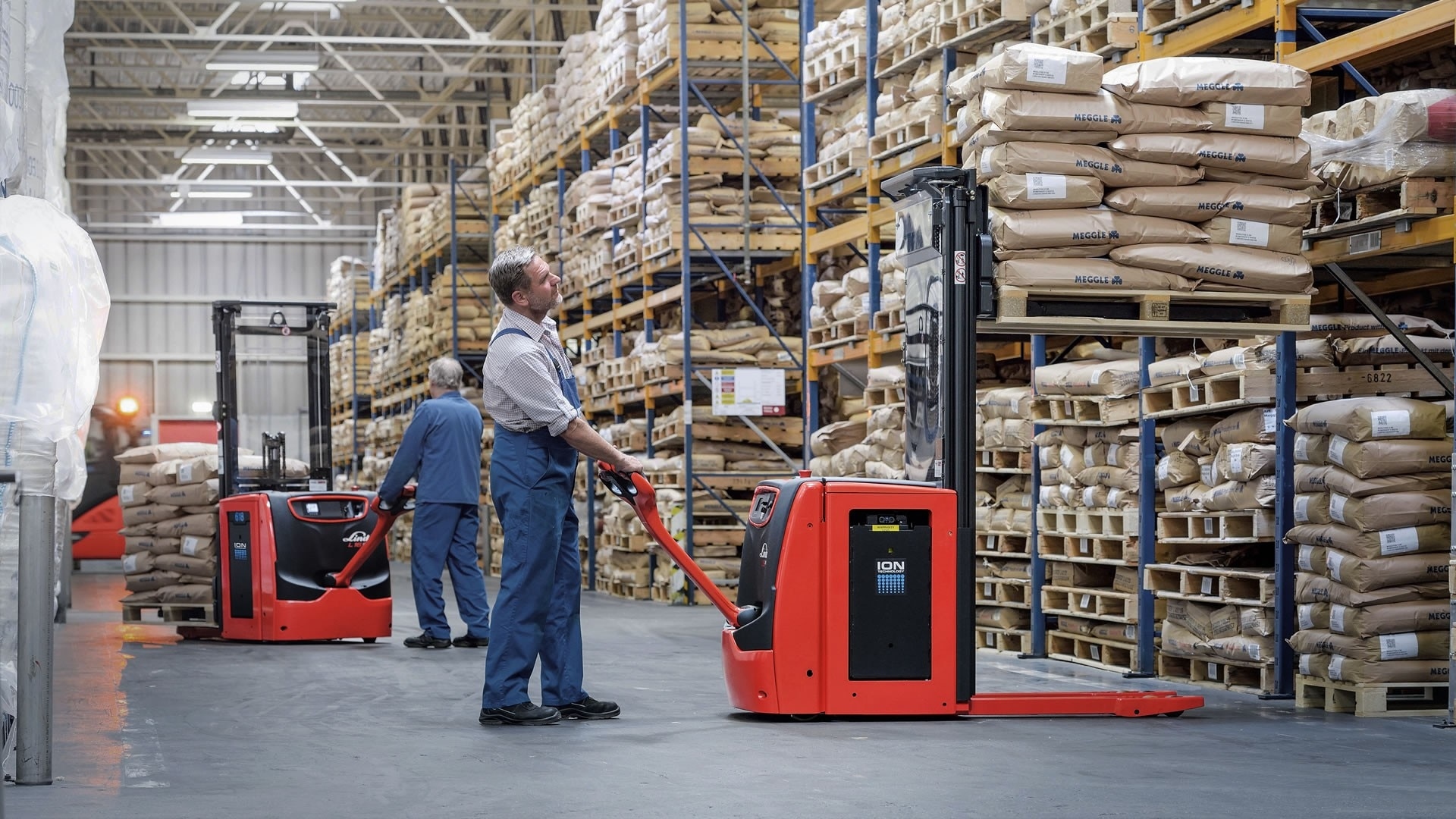
do you have to bleed a forklift hydraulic lift hose
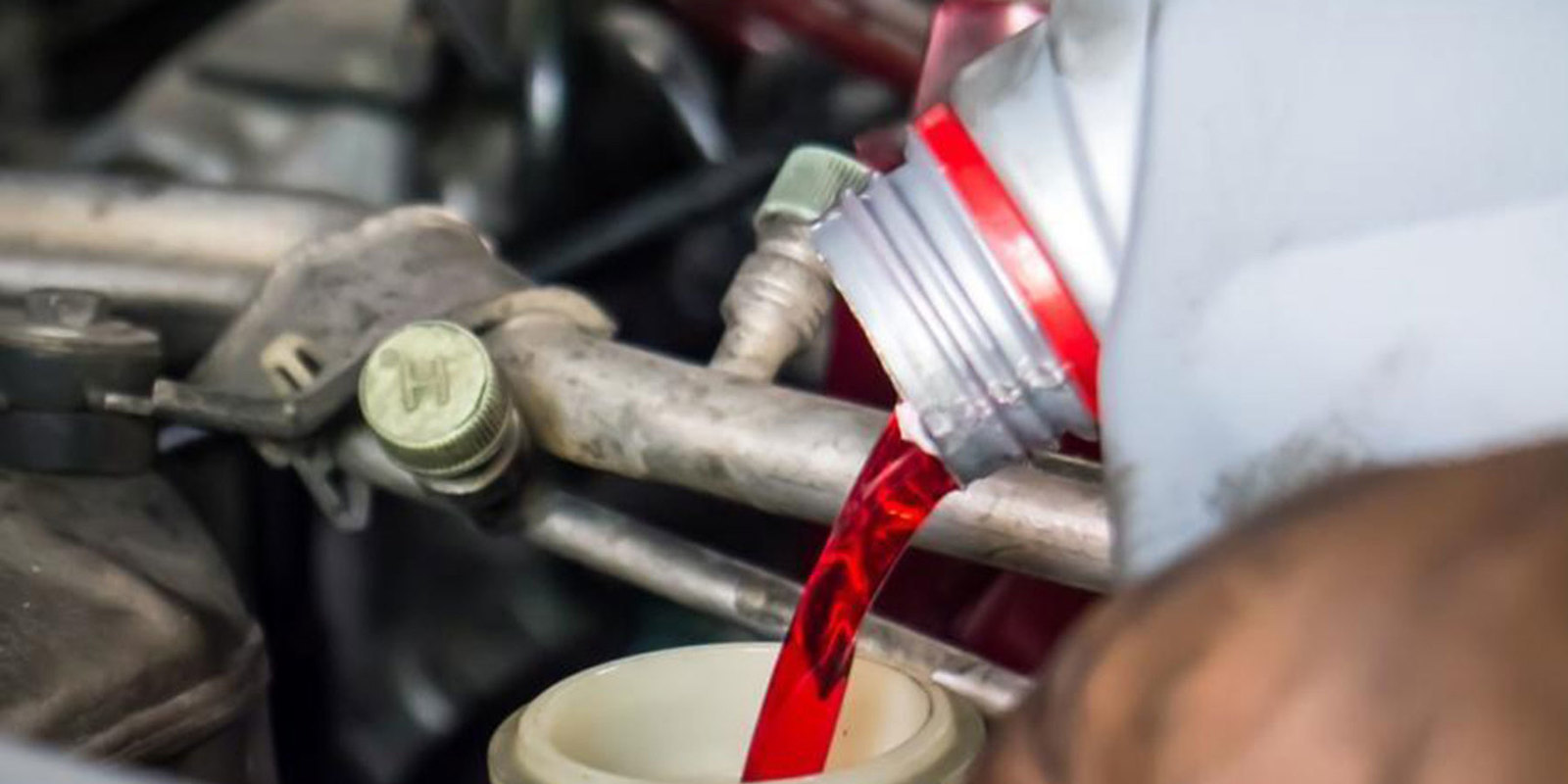
Bleeding a forklift hydraulic lift hose is often necessary after hose or cylinder replacement, fluid changes, or when the lift feels spongy or jerky. Trapped air compresses under pressure, causing sluggish, unresponsive, or erratic lifting and potential component wear. The process involves parking safely, locating the bleeder valve, slowly opening it while cycling the lift lever, then closing it once steady fluid emerges. Regular maintenance includes proper filling, tight connections, and leak inspections to prevent air entry. Some modern models feature self-bleeding systems, but most traditional hydraulics benefit from manual bleeding after service. Persistent symptoms like chattering, hissing, or foamy fluid indicate incomplete bleeding. Safety precautions include wearing eye protection, never loosening pressurized fittings, and following manufacturer guidelines. For persistent issues, consult a certified technician. Quality components and correct procedures keep forklift hydraulics operating smoothly and safely.