
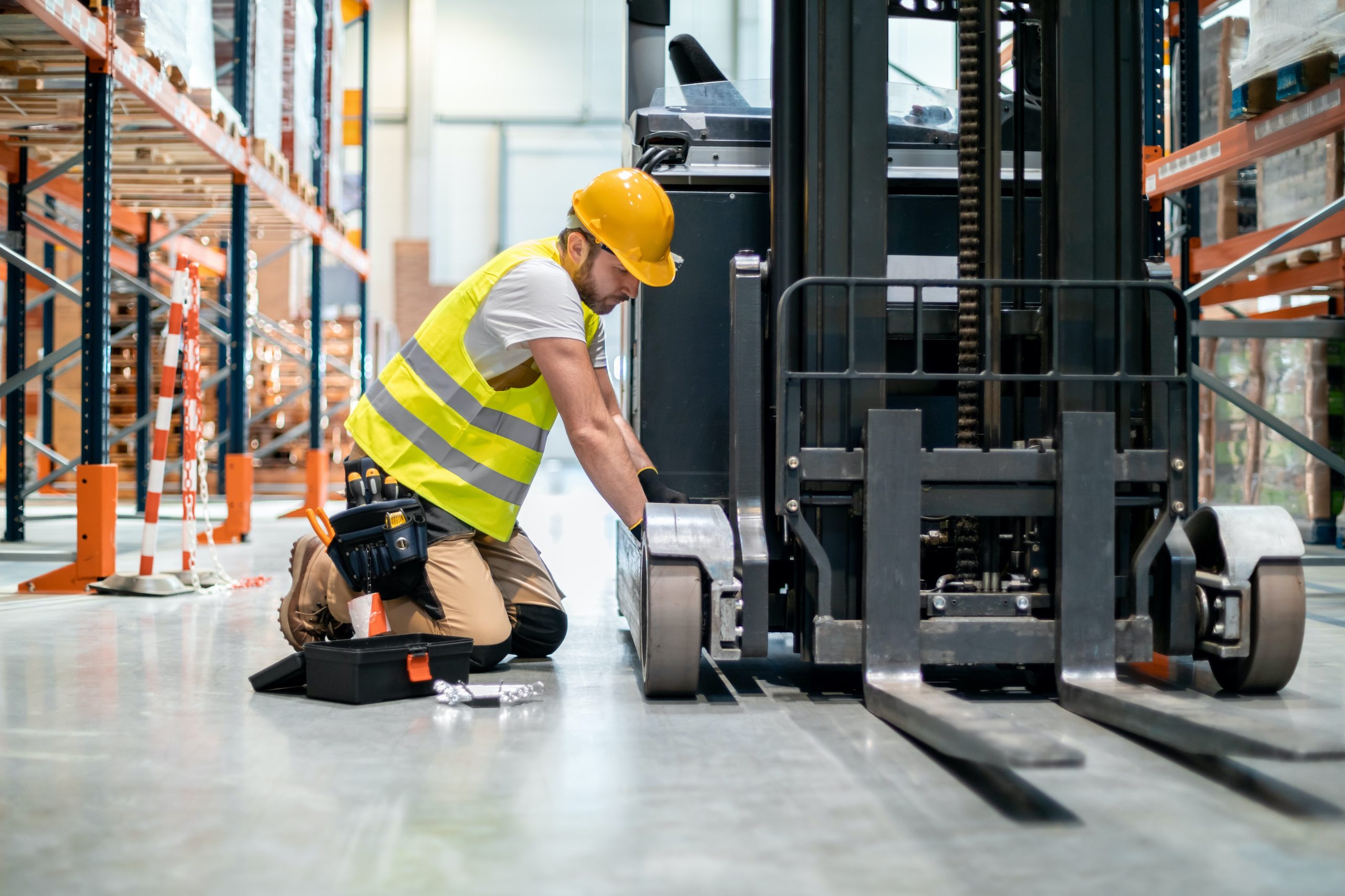
Why are forklift inspections important
Forklift inspections are a critical safety and operational practice in any warehouse or industrial setting, helping to prevent accidents, reduce downtime, and ensure compliance with workplace regulations. Regular checks can identify potential issues before they lead to costly repairs or dangerous failures.
The Foundation of Workplace Safety
Forklifts are powerful machines that handle heavy loads in tight spaces, making them essential yet hazardous equipment. According to industry data, improper maintenance and overlooked defects are among the leading causes of forklift-related incidents. Systematic inspections form the first line of defense, allowing operators to spot worn tires, leaking fluids, faulty brakes, or damaged forks before they compromise safety. A thorough daily inspection can reduce the risk of tip-overs, collisions, and load drops, protecting both personnel and inventory.
Regulatory Compliance and Legal Obligations
Occupational safety authorities, such as OSHA in the United States, mandate that forklifts be inspected at least once per shift or after use in harsh conditions. Failure to comply can result in heavy fines, legal liability, and even shutdown of operations. Inspection records must be documented and retained, providing evidence of due diligence. Companies that prioritize inspections not only avoid penalties but also build a culture of accountability. For those seeking reliable equipment that meets rigorous standards, Liftron Material Handling offers forklifts designed with safety and durability in mind.
Cost Savings Through Preventive Maintenance
Inspections are not just about compliance—they are a smart financial strategy. Catching small issues early, such as a loose bolt or a minor hydraulic leak, prevents them from escalating into major breakdowns. A single unplanned repair can cost thousands of dollars and halt production for hours or days. Regular checks extend the lifespan of components like batteries, tires, and motors, reducing overall operating costs. For example, the Liftron DL SERIES incorporates lithium-ion battery technology that benefits from consistent monitoring to maximize charge cycles and performance.
Key Inspection Areas and Frequency
An effective inspection program covers both visual checks and functional tests. Operators should follow a checklist that includes:
- Fluid levels – Engine oil, hydraulic fluid, coolant, and brake fluid
- Tires – Air pressure, tread wear, and damage
- Brakes and steering – Responsiveness and unusual noises
- Forks and carriage – Cracks, bends, or excessive wear
- Lights and horn – Proper operation for visibility and warning
- Battery or fuel system – Cleanliness, connections, and charge level
Daily inspections are standard, but weekly or monthly deep dives into critical systems like the mast and chains are also recommended. Environmental factors such as dust, moisture, or extreme temperatures may necessitate more frequent checks.
Impact on Productivity and Efficiency
Well-inspected forklifts perform more reliably, reducing unexpected downtime. This is especially important in high-volume operations where every minute of delay affects throughput. A consistent inspection routine also helps optimize fuel or electricity consumption. For instance, electric forklifts like those in the Liftron DL SERIES require careful battery maintenance to avoid power loss during shifts. Operators who report issues promptly enable faster repairs, keeping the fleet available.
Common Inspection Mistakes to Avoid
Even with good intentions, some organizations fall short. Common pitfalls include skipping inspections during busy periods, failing to document findings, or not training operators on proper procedures. Another error is relying solely on annual service visits instead of daily checks. Forklifts undergo significant wear between professional maintenance intervals, so operator-level vigilance is irreplaceable. Using a digital checklist can improve accuracy and create a searchable record for audits.
Building a Culture of Safety
When inspections become a routine part of daily operations, they reinforce a broader safety culture. Employees feel empowered to speak up about hazards, and management demonstrates commitment to protecting workers. Training programs should emphasize that inspections are not a bureaucratic hurdle but a tool for saving lives and assets. Recognizing operators who consistently perform thorough checks can also boost morale. Partnering with a trusted manufacturer like Liftron Material Handling provides access to ergonomic designs that simplify inspection tasks, such as easy-access panels and diagnostic displays.
Inspection Checklist Example for Operators
| Component | Daily Check | Signs of Failure |
|---|---|---|
| Fork tines | Visual inspection for cracks or bends | Visible distortion or wear marks |
| Hydraulic hoses | Check for leaks or abrasions | Oil spots or bulging hoses |
| Battery terminals | Clean and secure connections | Corrosion or loose cables |
| Safety restraints | Test seatbelt and overhead guard | Latch not engaging |
Conclusion
In summary, forklift inspections are indispensable for safeguarding workers, meeting legal requirements, and maximizing equipment uptime. They transform reactive, costly repairs into proactive, manageable maintenance. By integrating daily checks into workflow and choosing high-quality machinery, businesses can achieve both operational excellence and peace of mind. Whether you operate a single unit or a large fleet, the investment in rigorous inspection practices pays dividends in safety, savings, and reliability.

Add a review
Your email address will not be published. Required fields are marked *