
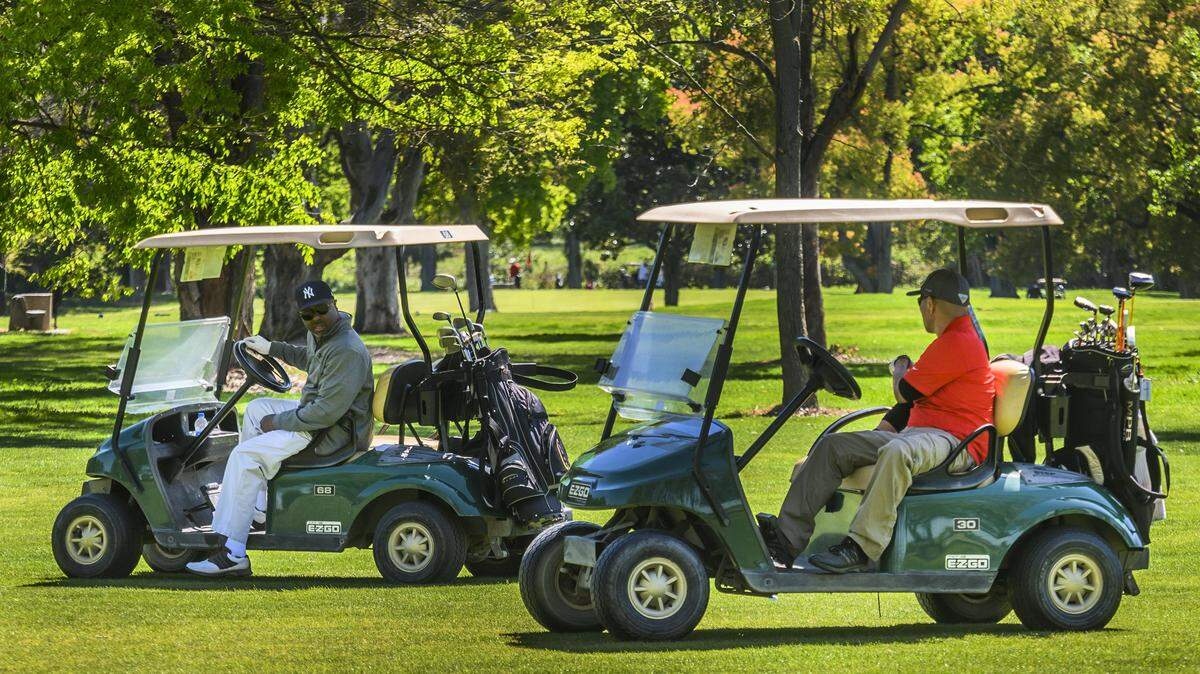
What Are the Rules for Driving Golf Carts at Private Golf Communities?
Private golf communities usually require safe golf cart driving, age rules, speed limits, decals, lights, and HOA compliance.
Driving golf carts in private golf communities can be convenient, enjoyable, and practical, but it also comes with important rules. These communities often have shared paths, private roads, pedestrians, cyclists, clubhouses, golf course traffic, and residential areas. Because of that, golf cart rules are designed to protect residents, guests, golfers, staff, and property.
In many private golf communities, operators are expected to be at least 16 years old and may be required to hold a valid driver’s license. Communities commonly set a 15 mph speed limit for golf carts, require drivers to stay on paved paths or designated roads, and enforce traffic rules such as stop signs, posted speed limits, and right-of-way rules. These rules are often managed by the Homeowners Association, also known as the HOA.
Although private communities may create their own operating policies, drivers should remember that community rules do not replace state or local law. If a golf cart is used outside the private community or on public roads, additional legal requirements may apply. For that reason, residents should always check HOA documents, local ordinances, and state regulations before using a cart beyond approved areas.
Common Golf Cart Rules in Private Golf Communities
| Rule Category | Typical Requirement |
|---|---|
| Age and Licensing | Drivers are often required to be at least 16 years old and may need a valid driver’s license or learner’s permit, depending on community and local rules. |
| Speed Limit | Many private golf communities limit golf carts to about 15 mph on paths, private roads, and shared community routes. |
| Operating Areas | Golf carts are usually allowed only on designated cart paths, paved routes, golf course access areas, or approved private roads. |
| Safety Equipment | Communities may require headlights, taillights, reflectors, mirrors, horns, seat belts, or other equipment depending on use and time of day. |
| Community Registration | HOAs often require approved decals, stickers, permits, or registration records for resident-owned carts. |
| Alcohol Policy | Driving under the influence is usually prohibited and may result in penalties, loss of cart privileges, or legal consequences. |
Age and Licensing Rules
Age and licensing are among the most important golf cart rules in private golf communities. Many communities require operators to be at least 16 years old and to hold a valid driver’s license. Some communities may allow younger drivers only under specific conditions, while others may prohibit minors from operating carts altogether.
The purpose of these rules is simple: golf carts may be smaller and easier to operate than cars, but they still require judgment, attention, and safe driving habits. A private community may include children, walkers, pets, maintenance workers, other carts, and regular vehicles. An inexperienced driver can create serious risks even at lower speeds.
Residents should not assume that private property means no rules apply. HOA rules may be stricter than local law. If a guest or family member wants to drive a golf cart, the resident should first confirm whether the person meets the community’s age and licensing requirements.
Operating Hours and Night Driving
Some private golf communities allow golf carts only during certain hours, while others permit evening or night use if the cart has proper lighting. Headlights are commonly required for night driving. Taillights, brake lights, reflectors, and turn signals may also be required or recommended depending on the community’s rules.
Night driving requires extra caution. Visibility is reduced, pedestrians may be harder to see, and shared paths can become more dangerous. Drivers should slow down, use lights properly, avoid distractions, and stay on approved routes. If the community does not allow night operation, residents should respect that rule even if the cart has lights.
Usage Restrictions
Private golf communities usually define where golf carts may and may not be driven. Carts are commonly allowed on paved cart paths, designated community roads, golf course access routes, parking areas, and approved neighborhood paths. They may be prohibited on sidewalks, grass areas, landscaped spaces, walking-only paths, restricted maintenance areas, or certain public streets.
Usage restrictions help protect the community’s landscaping, golf course conditions, pedestrian safety, and traffic flow. Driving across wet grass, greens, tees, flower beds, or restricted paths can cause damage and may lead to fines or loss of cart privileges.
Golfers should also follow course-specific rules. Some days may require carts to stay on paths only due to weather or turf conditions. Other times, carts may be allowed on fairways but restricted near greens, bunkers, and tee boxes. Posted signs and staff instructions should always be followed.
Safety Equipment Requirements
Safety equipment rules vary by community, but many private golf communities require carts to have basic equipment for safe operation. This may include headlights, taillights, reflectors, a horn, rearview mirrors, working brakes, and secure seating. Some communities may also require seat belts, especially for carts used beyond the golf course.
Before using a cart, owners should inspect it regularly. Tires should be in good condition, brakes should respond properly, steering should feel stable, and lights should work if the cart is used in low-light conditions. A poorly maintained cart can become unsafe even at low speeds.
Passengers should remain seated while the cart is moving. Drivers should never allow passengers to stand, hang off the side, ride on the back where no seat is provided, or overload the cart beyond its designed capacity. These basic habits can prevent many common accidents.
Alcohol Policy
Alcohol rules are important in private golf communities because carts are often used around clubhouses, restaurants, social events, and golf courses. Even though golf carts may feel casual, impaired driving is dangerous. Most communities prohibit operating a golf cart while under the influence of alcohol or drugs.
Driving after drinking can lead to crashes, injuries, property damage, HOA penalties, legal trouble, and loss of cart privileges. Residents and guests should treat golf cart driving with the same seriousness as any other vehicle operation. If someone has been drinking, they should not drive the cart.
Community Registration and HOA Decals
Many private golf communities require residents to register their golf carts with the HOA or community management office. After approval, the cart may receive a decal, sticker, permit, or identification number. This allows the community to confirm ownership, enforce rules, and identify carts involved in violations or incidents.
Registration may require proof of residence, proof of insurance, a signed agreement to follow community rules, or a safety inspection. Some communities also limit the number of carts per household or require carts to be parked in approved locations.
Residents should keep decals visible and current. Expired or missing decals may result in warnings, fines, or restricted access to community paths and facilities.
Traffic Rules Inside Private Communities
Golf cart drivers should obey all posted community traffic rules. This includes stop signs, speed limits, yield signs, crosswalks, parking signs, and directional markings. Even on private roads, predictable driving behavior is essential.
Drivers should keep to the right side of the path or road, slow down near intersections, yield to pedestrians, and avoid sudden turns. They should also avoid distracted driving. Using a phone, adjusting music, or talking too much with passengers can reduce attention and increase accident risk.
In mixed-use areas, golf cart drivers should be especially careful around walkers, cyclists, children, pets, and maintenance vehicles. A private golf community is a shared environment, and safe cart use depends on patience and awareness.
What Is the New Golf Cart Law?
The phrase “new golf cart law” usually refers to recent changes in state or local rules for golf cart operation. Because golf cart laws vary by location, there is no single nationwide rule that applies everywhere. In some states, recent updates have focused on minimum driver age, permit or license requirements, identification rules, public road use, lighting, insurance, and local government authority.
For example, some newer laws require younger drivers to have a learner’s permit or driver’s license before operating a golf cart on public roads. Other rules may require adult drivers to carry identification, require lights for certain conditions, or limit golf cart operation to designated areas. These rules are often separate from private HOA rules.
For residents of private golf communities, the safest approach is to follow three levels of rules: state law, local ordinance, and HOA policy. If the HOA allows something but state law does not, the driver may still face legal consequences. If state law allows something but the HOA prohibits it inside the community, the resident may still face community penalties.
Best Practices for Safe Golf Cart Driving
Safe golf cart driving starts before the cart moves. Drivers should check brakes, steering, tires, lights, mirrors, and battery condition. They should make sure all passengers are seated and that cargo is secure. If the cart feels unstable or has a mechanical issue, it should not be used until inspected.
While driving, keep speed controlled and avoid sharp turns. Golf carts can tip if driven too fast around corners or on uneven surfaces. Drivers should also avoid carrying more passengers than the cart is designed for. Overloading can affect braking, steering, and balance.
Weather conditions matter as well. Rain can make paths slippery, reduce visibility, and affect braking distance. Wind, darkness, and crowded events can also increase risk. In these conditions, slower driving and extra caution are necessary.
Conclusion
Rules for driving golf carts at private golf communities usually include age and licensing requirements, speed limits, designated operating areas, safety equipment standards, alcohol restrictions, and HOA registration. Many communities require approved decals, headlights for night driving, and compliance with traffic signs and posted speed limits.
The “new golf cart law” depends on the state or local area, but recent updates often focus on driver age, permits, identification, and safer public-road operation. Residents should always check their HOA rules, city or county ordinances, and state laws before driving. With responsible operation and proper equipment, golf carts can remain a safe, convenient, and enjoyable part of private golf community life.


Add a review
Your email address will not be published. Required fields are marked *