
Would Golf Carts Be Better in Residential Areas Instead of Cars?
Golf carts can be a better choice than cars for short residential trips, offering quiet travel, easy parking, and local convenience.
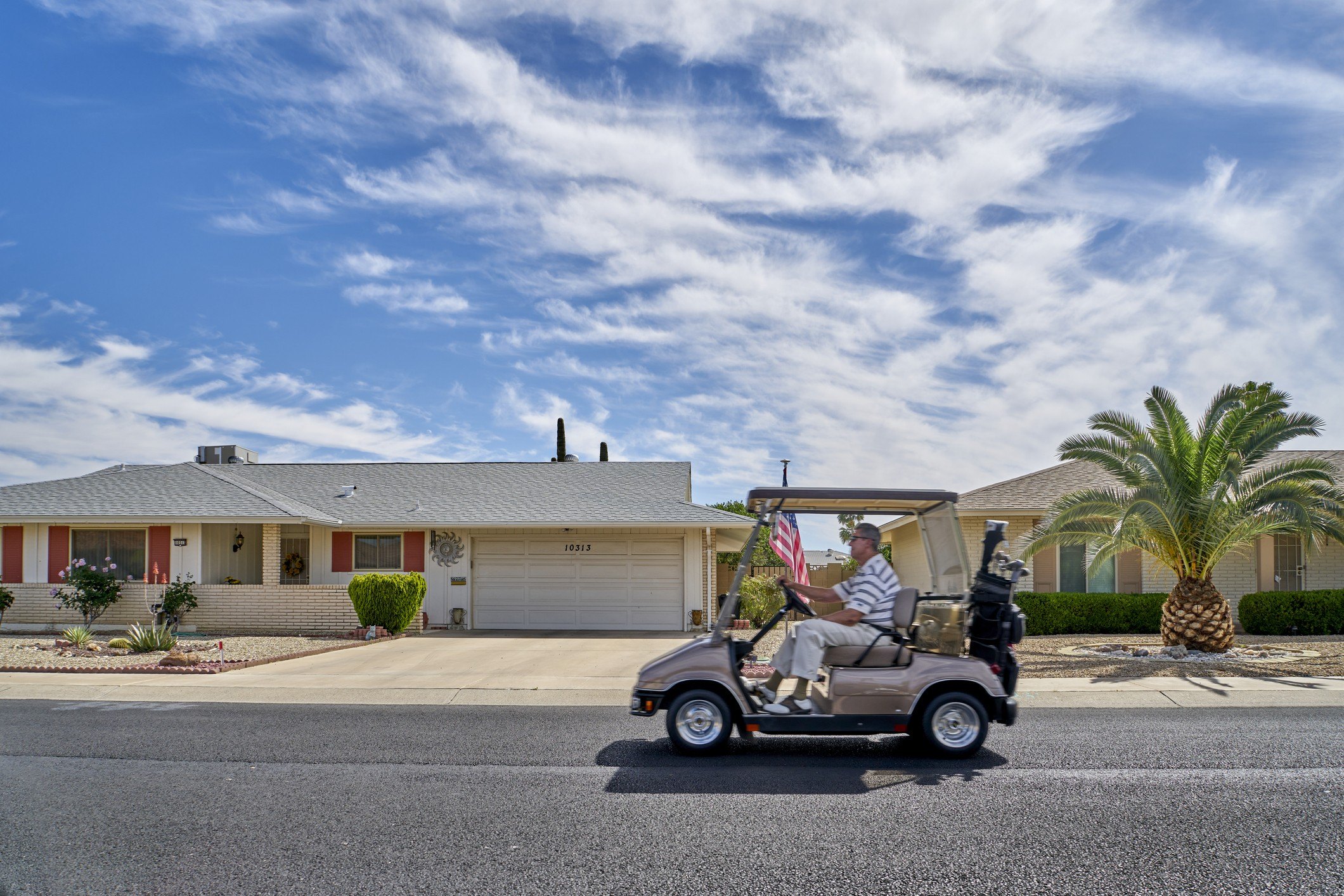
As neighborhoods look for quieter, cleaner, and more community-friendly transportation options, many people are asking an important question: would golf carts be better in residential areas instead of cars? The answer depends on the type of neighborhood, the distance people need to travel, local rules, safety needs, and weather conditions. For short trips inside planned communities, retirement neighborhoods, resort areas, campuses, and private residential developments, golf carts can be a practical and enjoyable alternative to cars.
Cars are still necessary for longer commutes, highway travel, bad weather, heavy cargo, and family transportation over greater distances. However, for local errands, visiting neighbors, going to the park, reaching a clubhouse, or traveling to nearby shops, golf carts can offer clear advantages. They are quieter, easier to park, less costly to maintain, and better suited to relaxed neighborhood movement.
Key Advantages of Golf Carts in Residential Areas
| Advantage | Why It Matters in Residential Areas |
|---|---|
| Eco-Friendly | Electric golf carts can reduce local emissions during short neighborhood trips compared with using cars for every errand. |
| Reduced Noise | Golf carts are typically quieter than cars, helping create a calmer residential environment. |
| Economic Savings | They often cost less to operate and maintain for short-distance travel. |
| Convenience | Golf carts are easy to park, easy to drive, and useful for quick local trips. |
| Community Connection | The open design and slower pace can make neighbors more likely to interact and socialize. |
Eco-Friendly Local Transportation
One of the strongest reasons golf carts can be better in residential areas is their environmental benefit for short trips. Many quick car trips happen within a small radius: going to a neighbor’s house, visiting a community center, picking up mail, heading to a park, or driving to a nearby shop. Using a full-size car for these short trips can be inefficient.
Electric golf carts can help reduce local emissions when used in place of cars for these smaller tasks. In neighborhoods where residents regularly travel short distances, replacing some car trips with golf cart trips can support a cleaner and more peaceful environment. This does not mean golf carts should replace cars completely, but they can reduce how often residents need to use them for minor local travel.
Reduced Noise Pollution
Noise is an important part of residential comfort. Cars, especially when used frequently in quiet neighborhoods, can create engine noise, tire noise, door noise, and traffic stress. Golf carts are usually much quieter, especially electric models. This makes them well suited for communities that value a calm atmosphere.
Reduced noise can improve the experience of walking, gardening, relaxing on a porch, or spending time outdoors. In communities with parks, walking paths, clubhouses, and recreation areas, quieter transportation helps maintain a more pleasant setting. A neighborhood filled with slower, quieter local movement can feel more welcoming and less rushed.
Economic Savings for Short Trips
Golf carts can also offer financial advantages. Compared with cars, they often have lower operating costs for short-distance travel. Electric models use less energy than traditional cars used for the same small trips, and maintenance can be simpler. There are fewer complex systems compared with a full-size automobile, which may help reduce regular upkeep costs.
For residents who live in communities where many destinations are close together, this can be a meaningful benefit. Instead of starting a car several times a day for short local errands, a golf cart can handle many of those tasks more efficiently. Over time, this may reduce fuel use, wear on the car, and parking inconvenience.
Convenience and Easier Parking
In residential areas, convenience matters. Golf carts are compact, easy to maneuver, and simple to park. For neighborhoods with clubhouses, pools, mail stations, parks, small shops, and local gathering areas, a golf cart can be a practical way to move around without the space demands of a car.
This is especially useful in planned communities where streets, paths, and amenities are designed for short-distance travel. A golf cart allows residents to move from place to place at a comfortable pace. It can make everyday activities feel easier, especially when the destination is too far to walk comfortably but too close to justify using a car.
Community Connection
Golf carts can help create a stronger sense of community. Because they move at a slower pace and often have an open design, they make it easier for residents to wave, talk, and recognize one another. This small difference can change the feeling of a neighborhood.
Cars tend to separate drivers from the outside environment. Golf carts make travel feel more social and casual. In residential areas where people value neighborly connection, this can be a major advantage. A quick ride to the park or clubhouse can turn into a friendly conversation along the way.
Best Uses for Golf Carts in Residential Areas
Golf carts are best for short, local, low-speed trips. They work well for visiting neighbors, going to a community pool, traveling to a park, picking up mail, attending events, moving around a private community, or reaching nearby shops where local rules allow.
They can also be helpful for older adults or residents who want an easier way to move around the neighborhood without relying on a car for every trip. In resort-style communities, retirement areas, and private residential developments, golf carts can become part of daily life rather than simply recreational vehicles.
Considerations and Limitations
| Limitation | What Residents Should Consider |
|---|---|
| Speed and Range | Golf carts are best for short-distance local travel and are not suitable for long commutes or high-speed roads. |
| Safety Features | Some carts may need additional equipment depending on local rules and intended use. |
| Weather Dependent | Rain, cold, wind, and extreme heat can make golf cart travel less comfortable. |
| Regulations | Local laws and community rules determine where and how golf carts may be used. |
Speed and Range
Golf carts are not designed to replace cars for every situation. Their speed and range are limited compared with automobiles. This makes them ideal for short residential trips but less practical for long-distance travel, commuting to another city, or carrying heavy cargo.
Before choosing a golf cart as a daily transportation option, residents should consider how far they usually travel. If most trips are within a small community, a golf cart may be extremely useful. If daily travel requires long distances, a car will still be necessary.
Safety Features
Safety is another important consideration. Residential areas may include pedestrians, cyclists, children, pets, parked cars, intersections, and shared paths. Golf cart drivers should operate carefully, follow posted rules, keep speed under control, and stay alert.
Depending on local regulations and where the cart is used, certain safety features may be required or recommended. These may include lights, mirrors, turn signals, seat belts, reflectors, horns, or other equipment. Residents should always check local laws and community guidelines before using a golf cart outside private property.
Weather Dependence
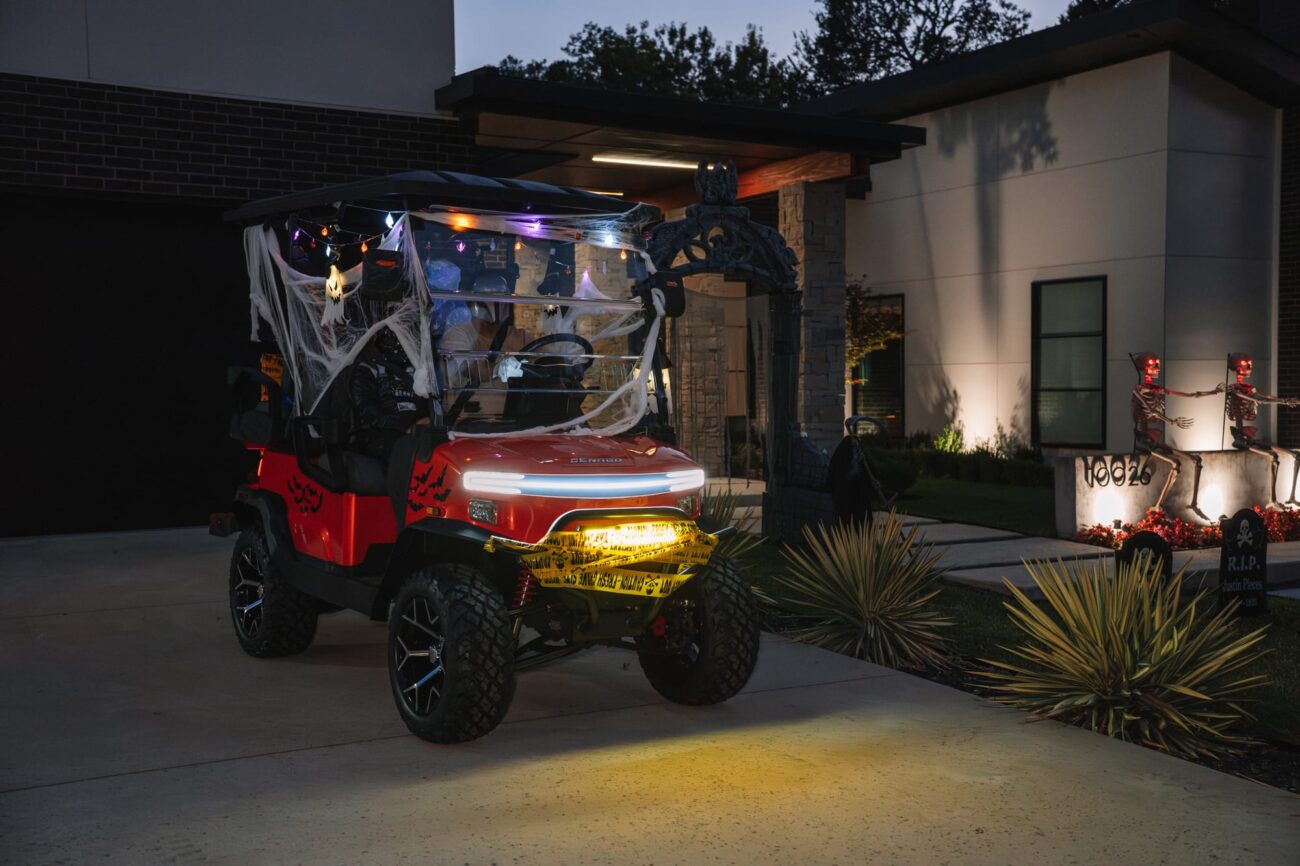
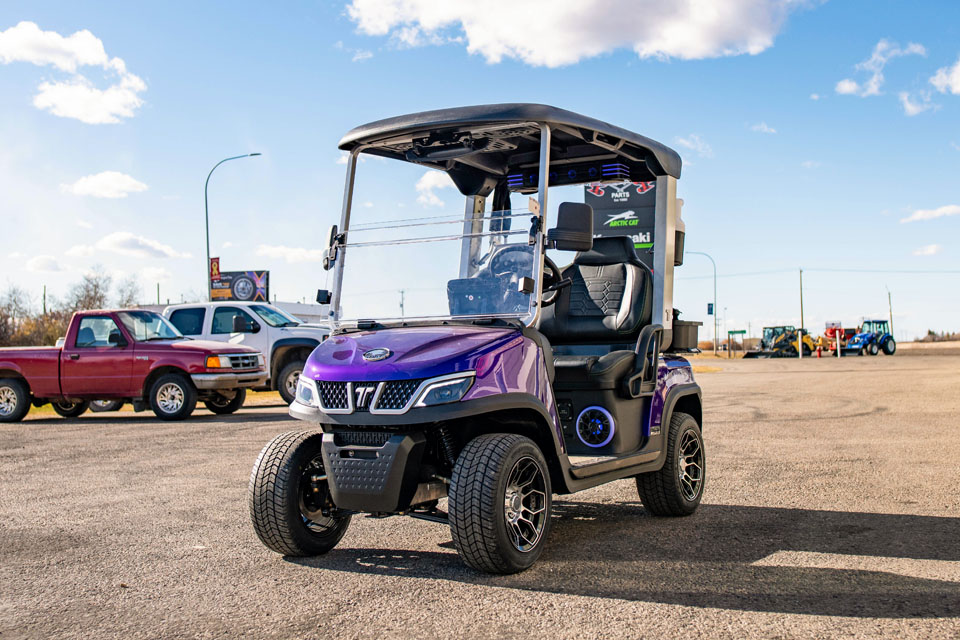
Golf carts are often more exposed than cars. Rain, wind, cold temperatures, and strong sun can affect comfort. Some owners add covers, windshields, storage accessories, or enclosures to make the cart more practical in different weather conditions.
In mild climates, golf carts can be used more often throughout the year. In areas with heavy rain, snow, or extreme heat, they may be better as a seasonal or occasional transportation option. Weather should be part of the decision when comparing golf carts and cars for residential use.
Regulations and Community Rules
Not every residential area allows golf carts on public streets or shared routes. Rules vary by city, county, state, and community. Some neighborhoods have dedicated paths and clear guidelines, while others restrict cart use to private property or specific areas.
Before buying or using a golf cart for neighborhood transportation, residents should check local ordinances, homeowners association rules, insurance requirements, and equipment standards. Proper planning helps prevent legal issues and supports safer community use.
What Is the Average Lifespan of a Golf Cart?
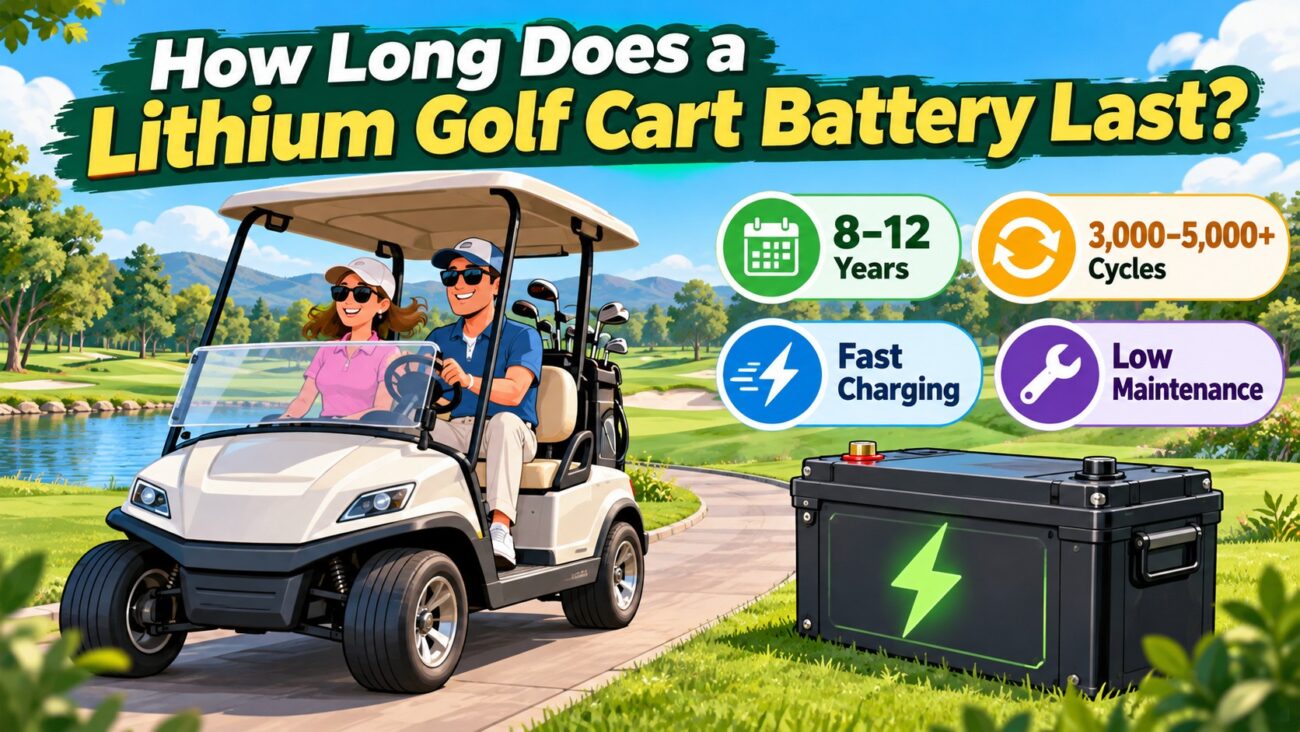
The average lifespan of a golf cart is often around 10 to 20 years, depending on build quality, battery care, maintenance, storage, climate, and how heavily it is used. A well-maintained cart used for light residential travel may last many years, while a heavily used cart with poor maintenance may wear out much sooner.
The battery system is one of the most important factors. Batteries usually need replacement before the cart itself reaches the end of its life. Proper charging habits, avoiding deep discharge, keeping connections clean, and following manufacturer recommendations can help extend battery life.
Other parts that influence lifespan include tires, brakes, suspension, steering components, electrical systems, seats, and body panels. Regular inspections and timely repairs can keep a golf cart reliable for daily neighborhood use.
Would Golf Carts Be Better Than Cars?
Golf carts can be better than cars in residential areas when the trips are short, the roads or paths are appropriate, and the community is designed for slower local movement. They are quiet, efficient, easy to park, affordable to operate, and helpful for building a more connected neighborhood atmosphere.
However, they are not better for every situation. Cars remain necessary for longer travel, poor weather, higher-speed roads, large shopping trips, family transportation, and routes where golf carts are not permitted. The best solution is often not replacing cars completely, but using golf carts for the trips where they make the most sense.
Conclusion
Golf carts can be a better option than cars for many short trips in residential areas. They offer reduced noise, lower operating costs, easier parking, environmental benefits, and a stronger sense of community. They are especially useful in planned neighborhoods, resort communities, retirement areas, and private developments where local routes are designed for compact transportation.
Still, residents should consider speed, range, safety features, weather, and regulations before relying on a golf cart. With proper use and maintenance, a golf cart can last 10 to 20 years and become a practical part of everyday neighborhood life. For local errands, park visits, neighborly trips, and relaxed community travel, golf carts can be a smart and enjoyable alternative to using a car every time.
Add a review
Your email address will not be published. Required fields are marked *