What Is the Best Golf Cart Brand for the Money?
The best golf cart brand for the money depends on your priorities, with Yamaha and Club Car leading long-term value while Tara offers strong features at a competitive price.

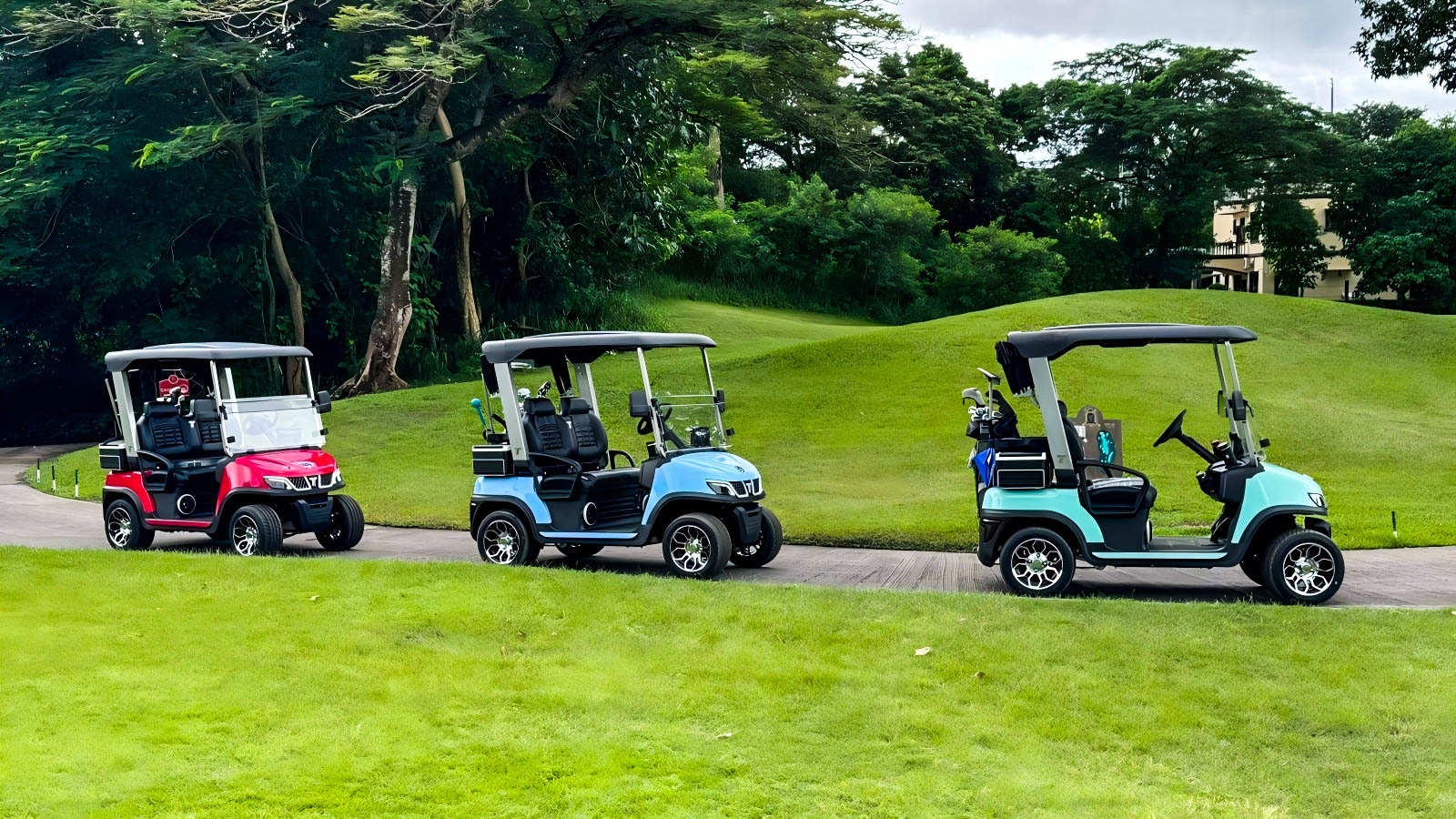
The best golf cart brand for the money depends on your priorities, with Yamaha and Club Car leading long-term value while Tara offers strong features at a competitive price.
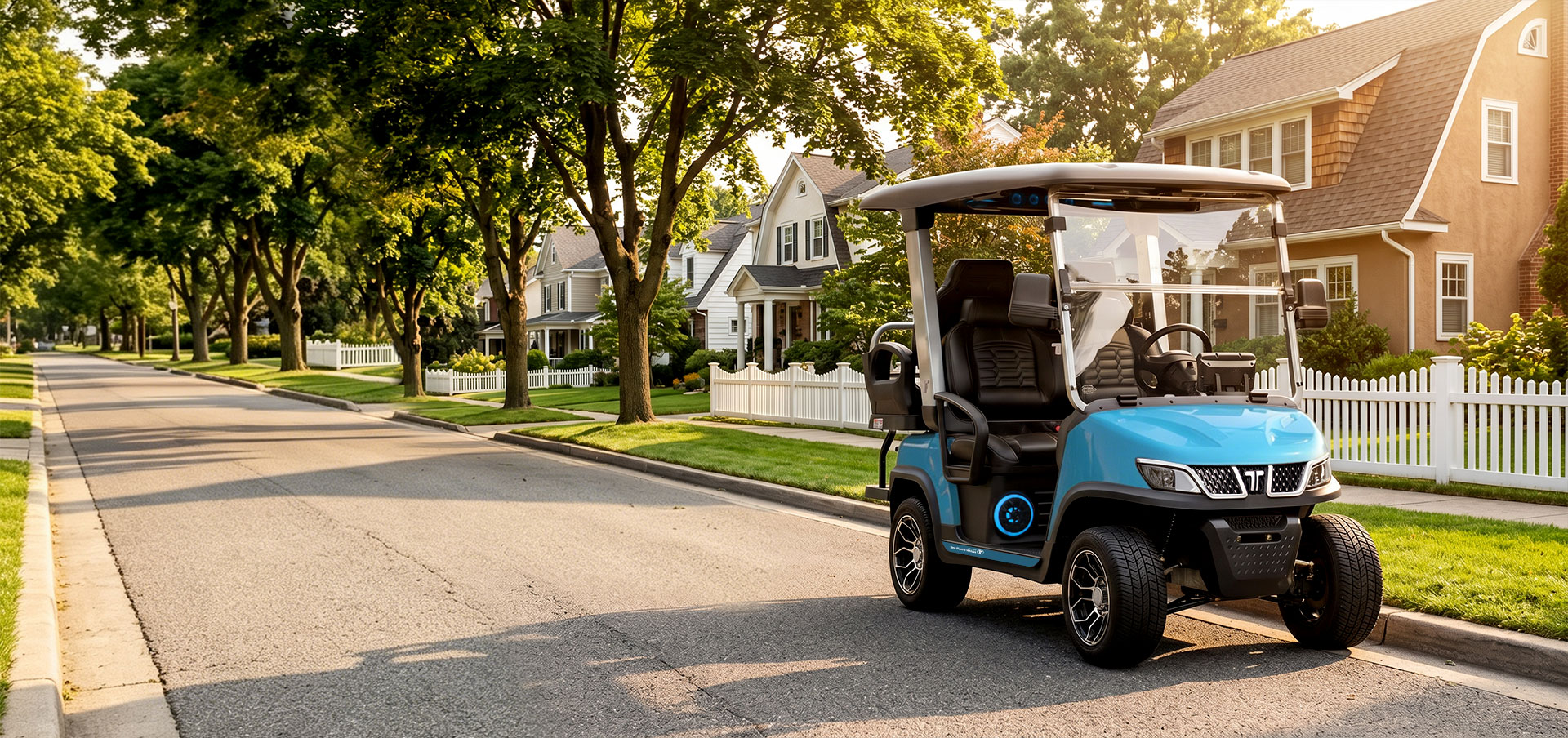
Tara golf carts are considered a high-quality option for users seeking luxury design, lithium battery performance, modern technology, and comfortable electric transportation.

Tara golf carts are manufactured by Tara Electric Vehicles, a company specializing in premium lithium-powered electric golf carts for golf courses, resorts, communities, and personal users.
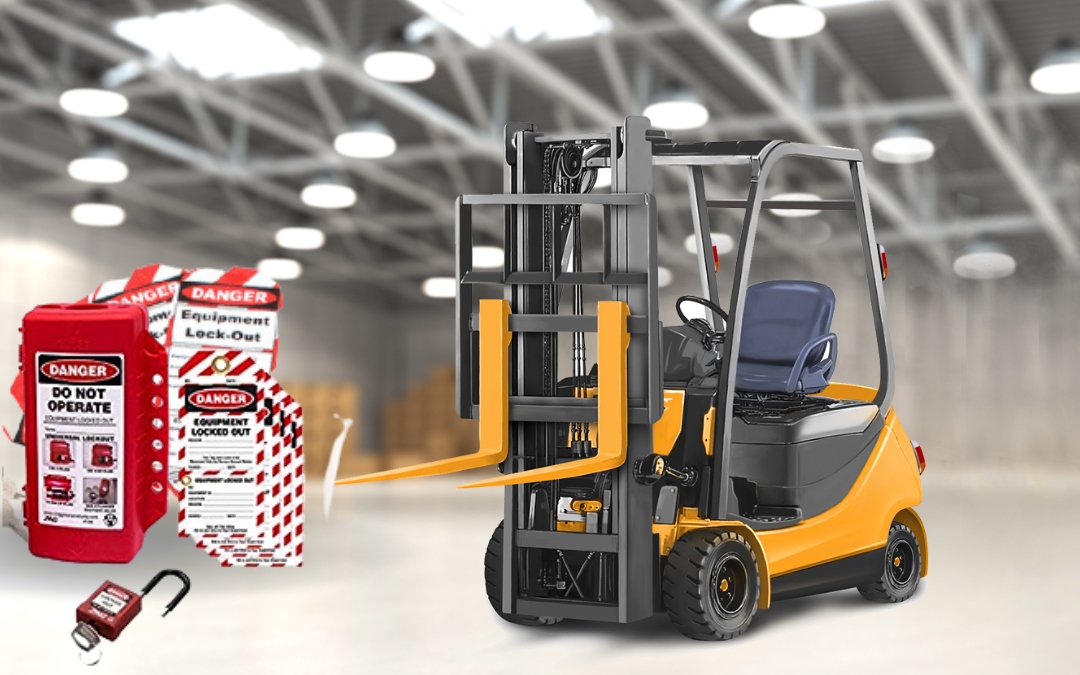
Forklift safety precautions include wearing seatbelts, keeping loads low, following capacity limits, inspecting equipment, and protecting pedestrians.
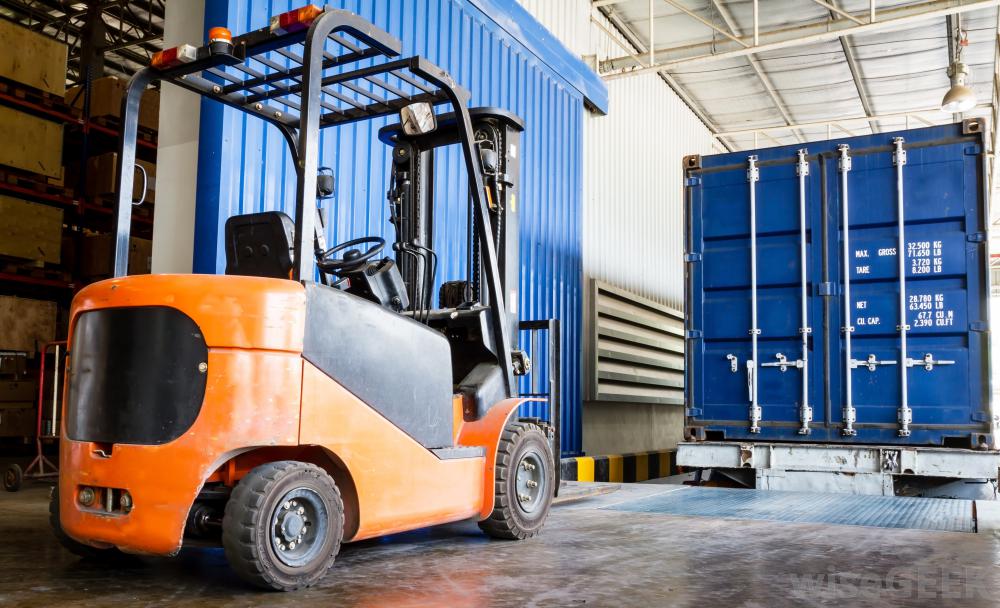
A forklift is designed to lift, move, transport, and stack heavy materials safely and efficiently across warehouses, factories, construction sites, and industrial facilities.
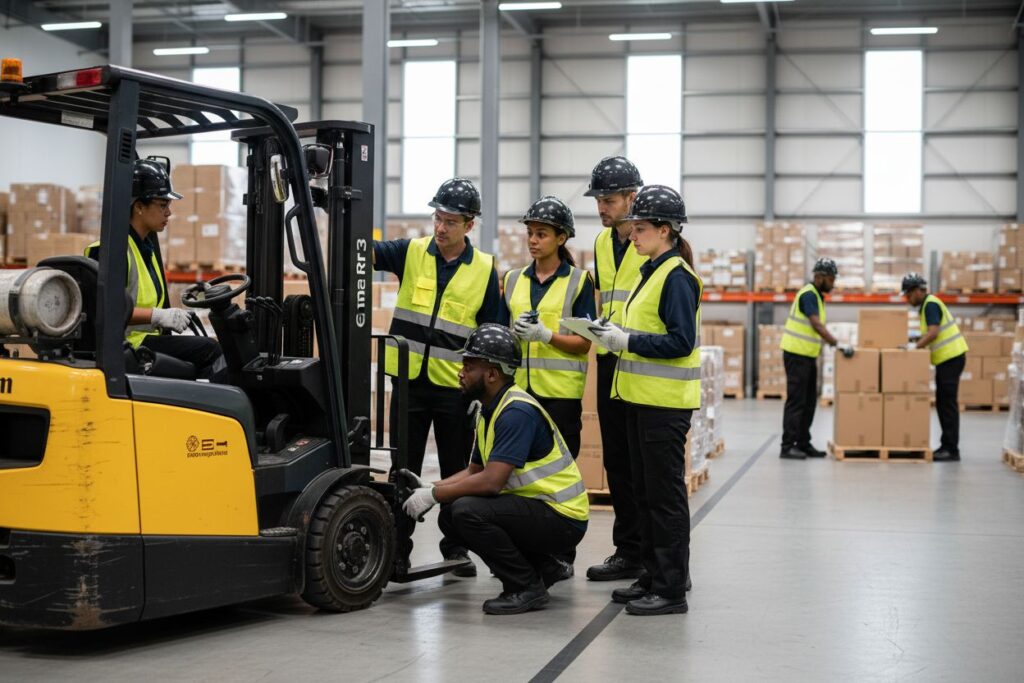
You can learn forklift operation through online courses, hands-on training schools, or employer programs. Most operators complete OSHA-compliant training before operating equipment.
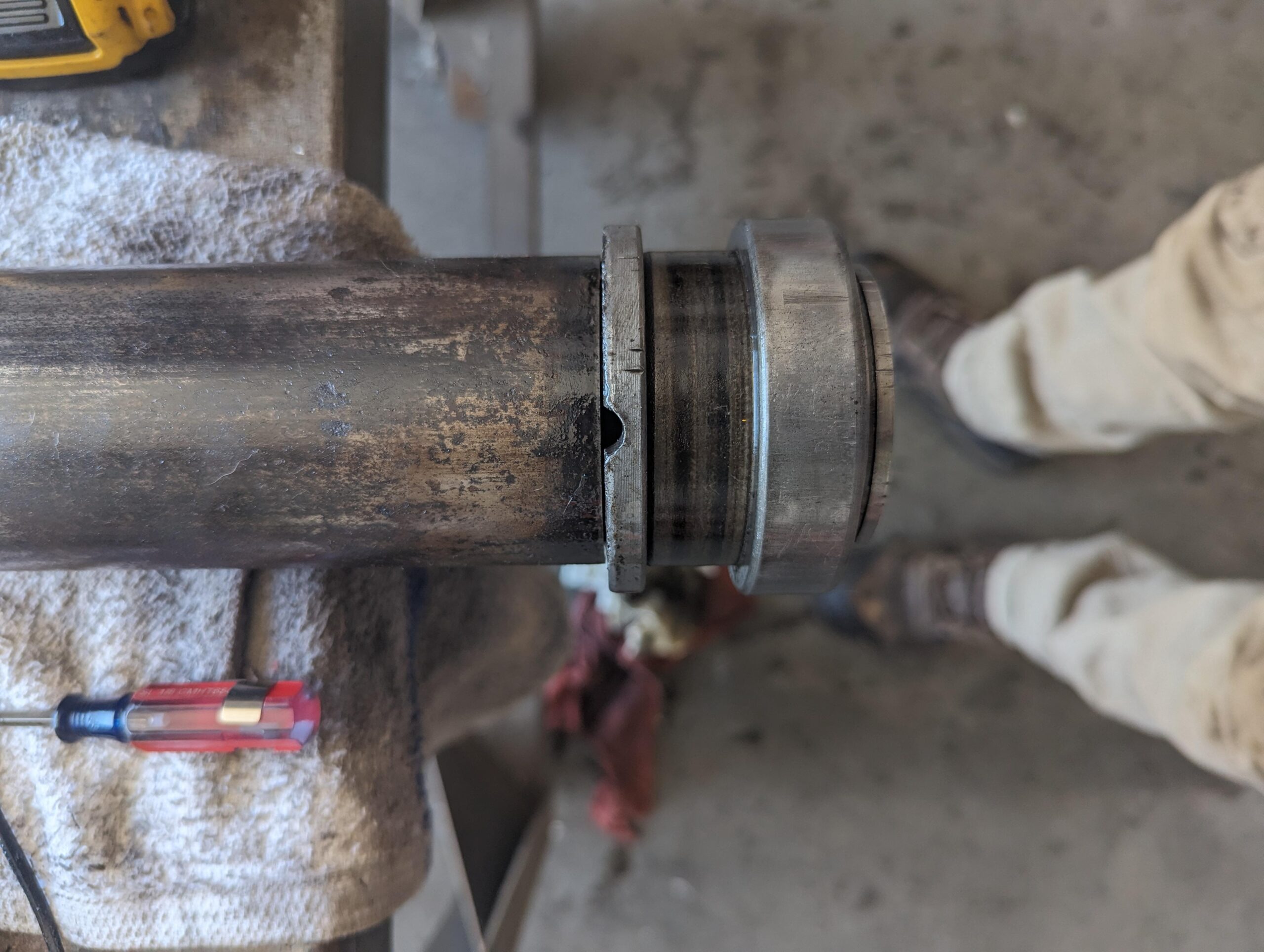
Removing a hydraulic cylinder from a forklift requires careful preparation, pressure release, and proper support to prevent injury or equipment damage. Always secure the mast before disconnecting hydraulic components.
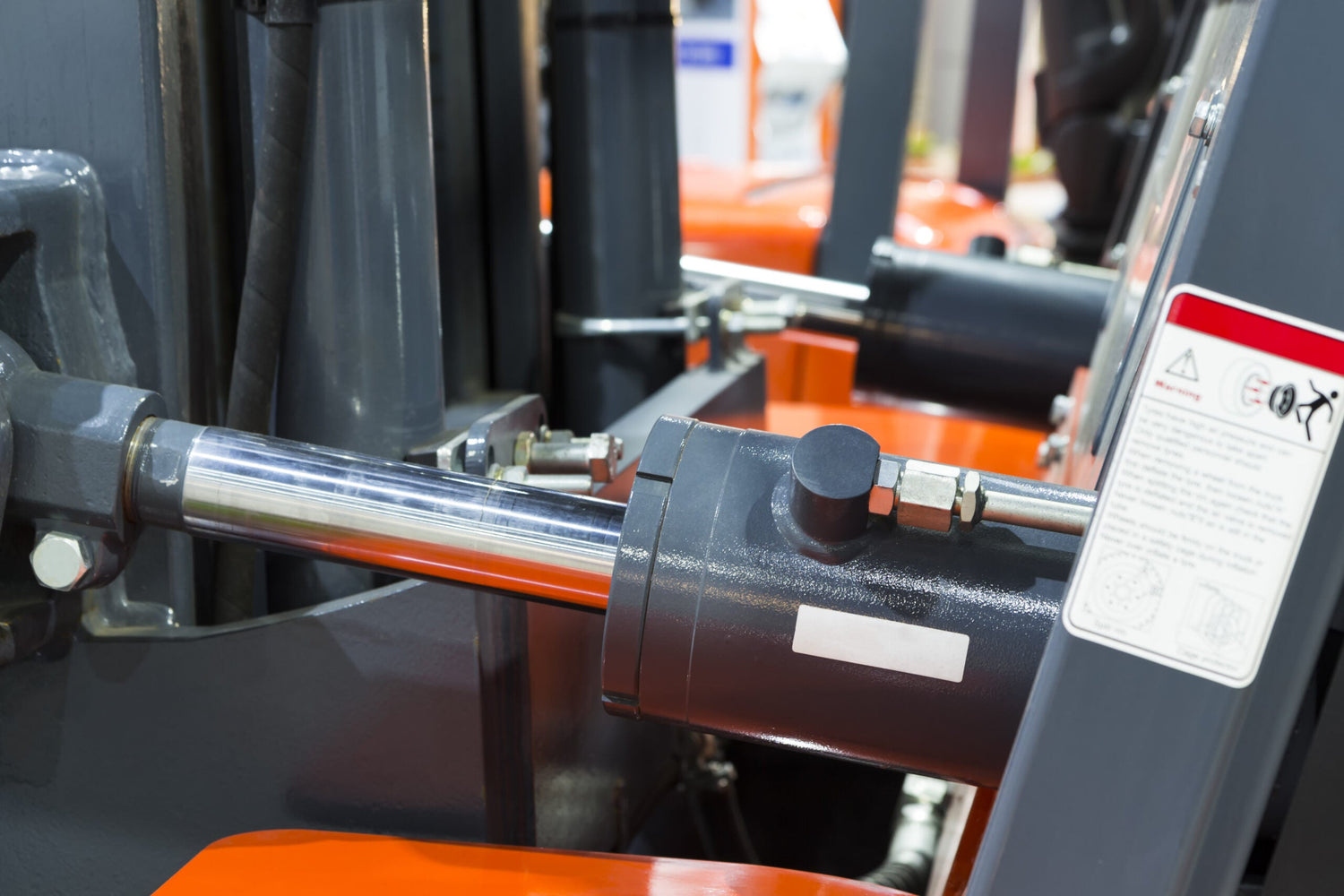
Repairing a forklift cylinder requires removing hydraulic pressure, securing the mast, replacing damaged seals, and carefully testing the system before returning the machine to operation.
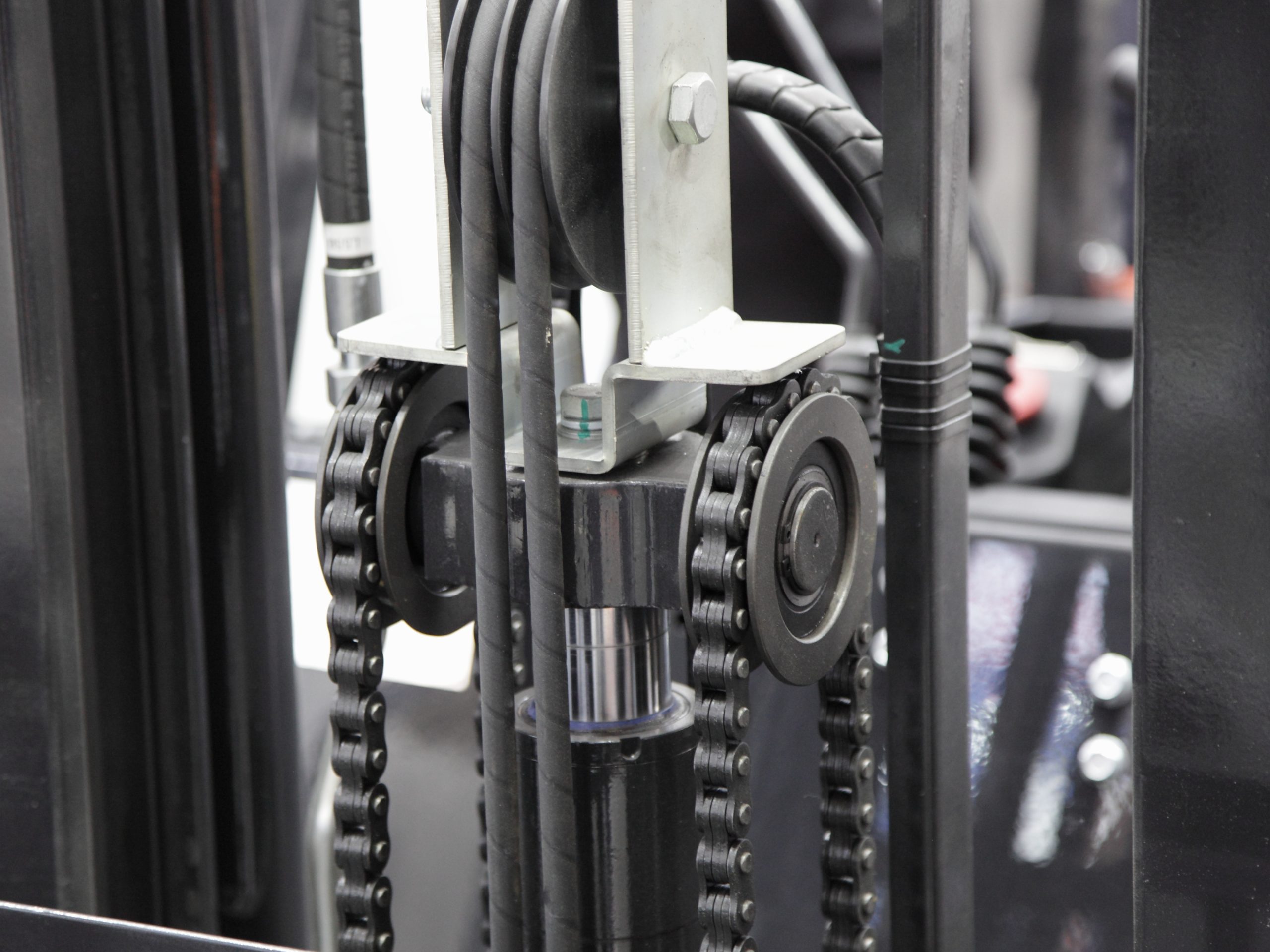
A silver cylinder on a forklift is most commonly a hydraulic cylinder used for lifting or tilting operations. Depending on its location, it may also be a steering cylinder or an LP gas fuel tank.
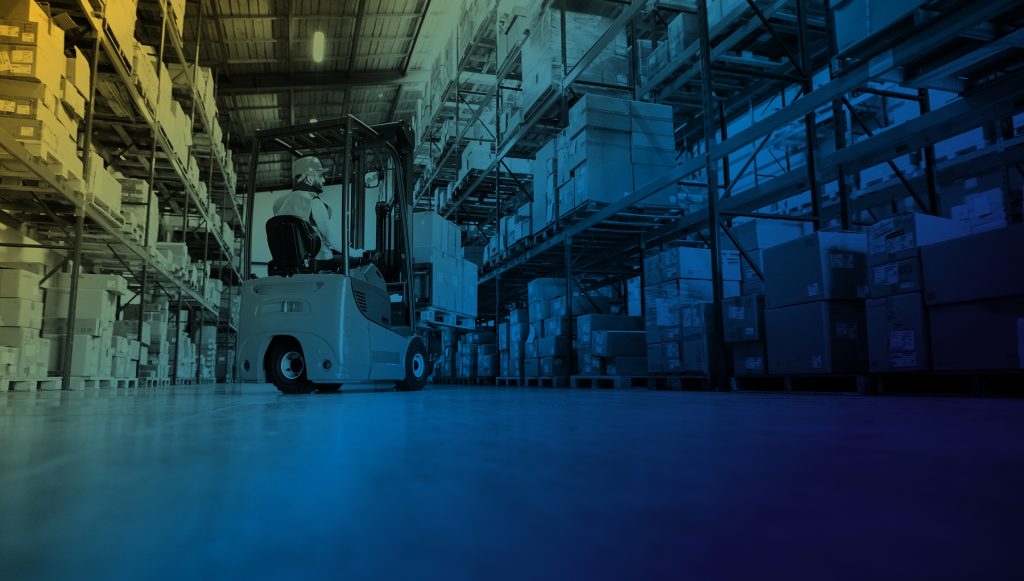
A well-maintained forklift typically lasts between 10,000 and 20,000 operational hours. With proper care, many forklifts can provide reliable service for 5 to 10 years or longer.