
rent electric forklifts for warehouses
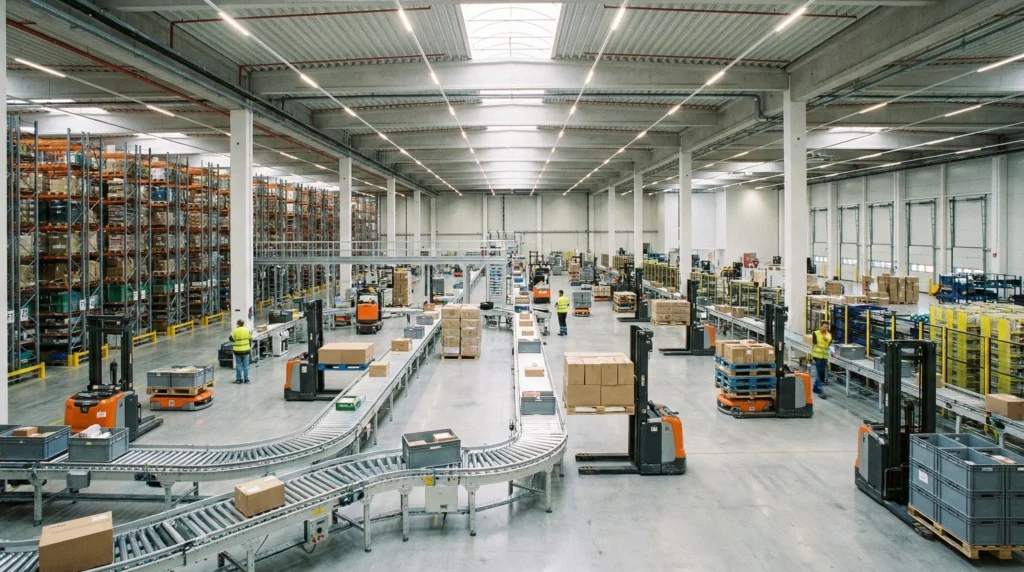
Renting electric forklifts for warehouses offers a flexible, cost-effective solution for managing fluctuating inventory demands without the heavy capital investment of purchasing equipment. Whether you’re scaling operations for peak seasons, replacing outdated machinery, or testing new fleet configurations, rental agreements provide immediate access to modern, energy-efficient material handling technology. This guide explores the key benefits, selection criteria, and operational strategies to maximize your warehouse efficiency through electric forklift rentals.
Why Choose Electric Forklifts for Warehouse Operations
Electric forklifts have become the industry standard for indoor warehouse environments due to their zero-emission operation, lower noise levels, and reduced total cost of ownership compared to internal combustion (IC) models. Unlike diesel or LPG forklifts, electric units eliminate exhaust fumes, making them ideal for food processing, pharmaceutical, and cold storage facilities where air quality is critical. Furthermore, advancements in lithium-ion battery technology have eliminated traditional battery maintenance hassles, enabling opportunity charging during breaks and shifts, which maximizes uptime.
Renting electric forklifts allows warehouse managers to test this technology without long-term commitment. You can evaluate performance metrics like acceleration, lifting speed, and energy consumption across different models before making a purchase decision. Additionally, rental agreements often include maintenance and servicing, transferring the risk of mechanical breakdowns to the provider, which is particularly beneficial for seasonal peaks when downtime is most costly.
Key Considerations When Renting Electric Forklifts
Capacity and Lift Height Requirements
Assess your typical load weights and maximum stacking heights. Standard electric forklifts range from 3,000 to 5,000 pounds capacity, but specialized models handle up to 15,000 pounds. Ensure the rental unit’s mast configuration (triplex, quad, or duplex) matches your racking heights to avoid clearance issues. Remember that capacity ratings assume a specific load center (usually 24 inches); oversized or irregular loads reduce effective capacity.
Battery Type and Charging Infrastructure
Traditional lead-acid batteries require dedicated charging rooms with ventilation and 8-hour charge cycles plus cooling periods. However, lithium-ion batteries, featured in the Liftron DL SERIES, allow fast charging in 1-2 hours and can be topped up during breaks without damaging the battery. If your warehouse lacks a charging station, consider renting with a compatible charger or negotiate a service that includes battery swapping. Check whether your facility’s electrical voltage (typically 208V or 480V) matches the charger specifications.
Rental Duration and Flexibility
Most rental providers offer daily, weekly, monthly, or long-term leases. Monthly rates typically drop significantly compared to daily rates, making them more economical for projects exceeding two weeks. Negotiate flexible terms that allow early returns or extensions without heavy penalties, especially if your inventory forecasts are uncertain. Also, clarify whether the rental includes delivery, setup, operator training, and roadside assistance.
Operational Benefits of Renting with a Trusted Provider
Partnering with a reputable supplier like Liftron Material Handling ensures you receive well-maintained, factory-certified equipment. Their rental fleet is routinely inspected and serviced, reducing the risk of unexpected failures. Furthermore, they offer a wide range of models from various brands, allowing you to compare ergonomics, visibility, and control responsiveness firsthand. This trial period is invaluable for making informed choices about future permanent purchases.
Cost Comparison: Rental vs. Purchase – A Detailed Analysis
| Cost Factor | Rental (Per Month) | Purchase (Amortized Monthly) |
|---|---|---|
| Base Equipment Cost | $800 – $1,500 | $700 – $1,200 |
| Maintenance & Repairs | $0 (included) | $150 – $300 |
| Battery & Charger Depreciation | $50 – $100 (included) | $100 – $200 |
| Downtime Risk | Low (provider handles) | High (in-house or service contract) |
| Tax Benefits | 100% deductible as operating expense | Depreciation deductions only |
| Flexibility to Upgrade | High (swap at contract end) | Low (must sell old unit) |
As the table illustrates, renting shifts fixed costs into variable operational expenses, preserving working capital for other growth initiatives. Additionally, the included maintenance eliminates administrative burden on your staff, allowing them to focus on core warehousing tasks.
Optimizing Rental Utilization and Safety
Implement a Proper Operator Training Program
Even experienced forklift operators need familiarization with rental equipment due to differences in hydraulic controls, travel speed, and visibility. Coordinate with the rental provider to schedule on-site orientation sessions. Emphasize safe handling around pedestrian walkways, dock edges, and narrow aisles. Ensure all operators have current OSHA certification, and document the training for compliance purposes.
Establish Cleaning and Inspection Protocols
Assign a designated staff member to conduct daily pre-shift inspections, checking fluid levels (for hydraulic systems), tire condition, horn function, and brake responsiveness. Because rental units may be used across multiple facilities, prioritize thorough cleanings to prevent contamination in food-grade environments. Promptly report any mechanical anomalies to the rental company to address issues under warranty before they escalate.
Leverage Telematics for Performance Monitoring
Many modern electric forklifts come equipped with telematics systems that track usage hours, energy consumption, and impact events. Request units with these features, as they provide valuable data to optimize your workflows. Analyze peak usage times to adjust shift schedules and potentially reduce the number of rented units needed, generating additional cost savings.
Case Study: Seasonal Warehouse Expansion
Consider a regional distribution center experiencing a 40% volume increase during holiday seasons. Rather than purchasing three new electric forklifts (capital cost of $60,000+), they opted for a six-month rental agreement for five units from a local dealer. This solution provided immediate scalability, included unlimited maintenance, and avoided long-term asset depreciation. The operator training and battery charging setup were handled by the dealer, ensuring zero disruption to existing operations. After the season, they returned the units with no residual obligations, maintaining a lean asset base.
Environmental and Sustainability Advantages
Renting electric forklifts also supports your corporate sustainability goals. Electric models produce zero on-site emissions, reducing your carbon footprint and improving indoor air quality for employees. When you rent, you benefit from the latest energy-efficient models without prematurely retiring older equipment. Additionally, by choosing providers that recycle retired batteries and components properly, you contribute to a circular economy. Lithium-ion batteries, in particular, have a longer lifespan and can be repurposed for energy storage after their forklift service life.
Making the Final Decision – Questions to Ask Your Provider
- What is the exact monthly rental rate, and are there any hidden fees for delivery, setup, or damage waivers?
- Can you provide a performance guarantee or service level agreement (SLA) for response times on breakdowns?
- What is the process for swapping a defective unit with a replacement unit?
- Are there any restrictions on usage locations, such as outdoor applications or extreme temperature environments?
- Do you offer flexible billing options, such as invoicing after the rental period ends?
By addressing these questions, you ensure alignment between your operational needs and the rental contract terms. Ultimately, renting electric forklifts empowers warehouses to stay agile, reduce total expenses, and access cutting-edge technology. With the right partner, you can transform your material handling operations today while maintaining strategic readiness for tomorrow’s demands.
Add a review
Your email address will not be published. Required fields are marked *