
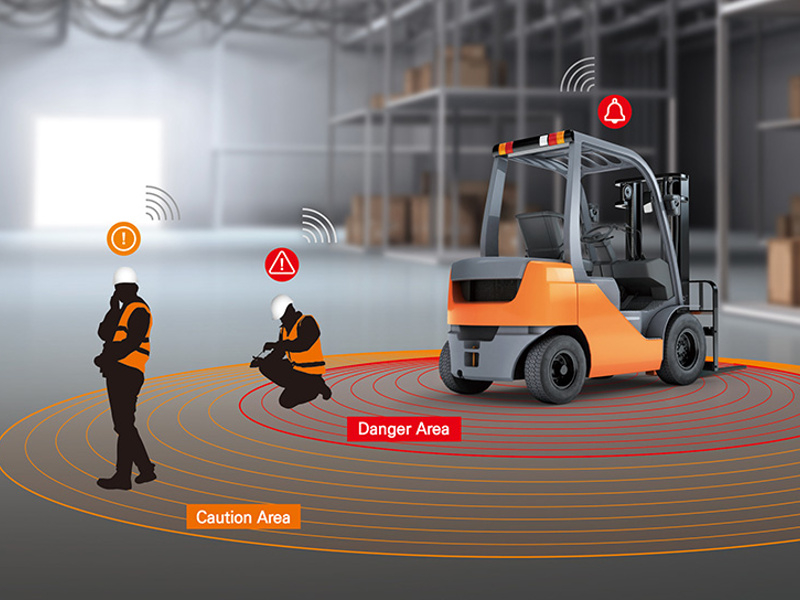
what is the fall zone for a forklift operation
A fall zone in forklift operations refers to the designated area where loads, debris, or the forklift itself could potentially fall during lifting, transport, or stacking activities, typically extending the full height and width of the lift path. Understanding and managing fall zones is critical for workplace safety, regulatory compliance, and operational efficiency in warehouses, construction sites, and industrial facilities.
Defining the Forklift Fall Zone
The fall zone encompasses the entire area that could be impacted if a load drops from a forklift’s forks or if the forklift tips over. This zone is not static—it changes based on the forklift type, load size, lift height, and operating environment. In practice, the fall zone includes the space directly under the load, the area around the mast, and the forward path where a toppling forklift could fall. OSHA standards and material handling best practices emphasize that no personnel should ever be inside a fall zone while the forklift is operating.
Why Fall Zones Matter in Forklift Operations
Forklifts are powerful machines, but they present significant hazards. According to OSHA data, forklift accidents cause roughly 85 fatal injuries per year in the U.S. alone, with many more non-fatal incidents. A clear understanding of fall zones helps prevent crushed limbs, head trauma, and fatalities. It also reduces product damage, equipment downtime, and liability costs. For any material handling operation, enforcing fall zone discipline is a foundational element of a safety culture.
Common Fall Zone Scenarios
- Load lifting and lowering: The area beneath and around the lifting path is a primary fall zone. If a pallet shifts or hydraulic failure occurs, the load can drop without warning.
- Traveling with elevated loads: When a forklift moves with a raised load, the fall zone expands to include the entire travel path, especially if the load obstructs the operator’s view.
- Stacking and unstacking: Maneuvering loads onto high racks creates a fall zone that extends both vertically and horizontally, as items can fall from overhead storage.
- Forklift tip-overs: Tip-overs often happen when turning too fast or uneven loading. The fall zone here is the area the forklift and its load could cover if it rolls sideways or rearward.
Calculating the Fall Zone Perimeter
There is no one-size-fits-all formula, but a general guideline is that the fall zone should extend at least the height of the highest lift point plus an additional safety buffer. For example, if a forklift lifts loads to a height of 15 feet, the fall zone radius around the mast should be at least 15 feet. Many operations use a 2:1 ratio (height times two) for extra caution. Additionally, consider the width of the load—overhanging items widen the fall zone laterally. Always account for the possibility of the forklift itself falling, especially on uneven or sloped surfaces.
Visual Indicators and Floor Markings
Clearly marking fall zones with bright paint, tape, or cones is a practical step. Floor markings should outline the area where no pedestrians or other equipment should enter during fork movements. Many companies also use signage at eye level on racks and columns. Modern facilities often integrate Liftron Material Handling advanced forklift models with warning systems that alert operators when pedestrians are too close to the fall zone, combining physical markings with technology.
Forklift Types and Their Fall Zone Characteristics
Different forklifts have different fall zone profiles. Counterbalance forklifts have a forward fall zone due to their rear weight design. Reach trucks have a narrower but taller fall zone. Electric forklifts, including lithium-ion models, often offer better stability and lower tip-over risk, which can shrink the effective fall zone. The Liftron DL SERIES lithium-ion forklift, for instance, features a low center of gravity and advanced stability control, helping to minimize tip-over incidents and the associated fall zone hazards. Operators on these machines benefit from improved maneuverability and a reduced risk of load shifts.
Human Factors in Fall Zone Management
- Operator training: Every operator must know how to assess fall zones before moving loads. Training should include identifying potential drop points, load balance checks, and emergency stop procedures.
- Pedestrian awareness: Warehouse workers and visitors should be trained to recognize fall zone markings and maintain a safe distance.
- Supervisor oversight: Managers should conduct regular audits to ensure fall zone protocols are followed, and update them as floor layouts change.
Fall Zone Regulatory Standards
OSHA 1910.178 outlines general safety requirements for forklifts, including the prohibition of standing under elevated loads. ANSI/ITSDF B56.1 further details safe operating practices, emphasizing that operators must not allow anyone to walk under the forks or pass through fall zones. While these standards do not mandate specific fall zone dimensions, they hold employers responsible for establishing safe boundaries. The National Institute for Occupational Safety and Health (NIOSH) also recommends maintaining a clearance distance equal to the lift height plus 2 feet in all directions.
Practical Implementation Table
| Lift Height | Recommended Fall Zone Radius | Action Required |
|---|---|---|
| Up to 10 ft | 12 ft | Mark floor, restrict pedestrian entry |
| 10–20 ft | 20 ft | Add visual barriers, use spotter |
| Over 20 ft | Height + 5 ft | Implement exclusion zone, use advanced forklift features |
Reducing Fall Zone Risks with Modern Equipment
Investing in modern forklifts can significantly reduce fall zone hazards. Lithium-ion powered models like the Liftron DL SERIES offer smoother acceleration and deceleration, reducing load shifts. Their precise hydraulic controls allow for gentle lifting and lowering, minimizing the chance of drops. Additionally, many new forklifts come with integrated cameras, proximity sensors, and automatic braking that can detect when a person or object enters a predefined fall zone. Using such technology, combined with proper training and markings, creates a multi-layer safety approach.
Emergency Preparedness
Despite all precautions, accidents can happen. Establish clear emergency procedures for fall zone incidents. This includes having first aid kits nearby, designating rescue teams, and ensuring all employees know how to call for emergency response. Regularly drill scenarios where a load falls or a forklift tips over to test reaction times and communication channels.
Conclusion: Integrating Fall Zone Awareness into Daily Operations
Fall zone management is not a one-time training module—it is an ongoing operational priority. From the moment a forklift starts its engine until it is parked, the fall zone exists and must be respected. By combining clear physical markings, thorough operator training, and modern equipment from providers like Liftron Material Handling, companies can drastically reduce injury rates and improve productivity. The fall zone is ultimately a safety boundary that protects lives, property, and business continuity.
Add a review
Your email address will not be published. Required fields are marked *