
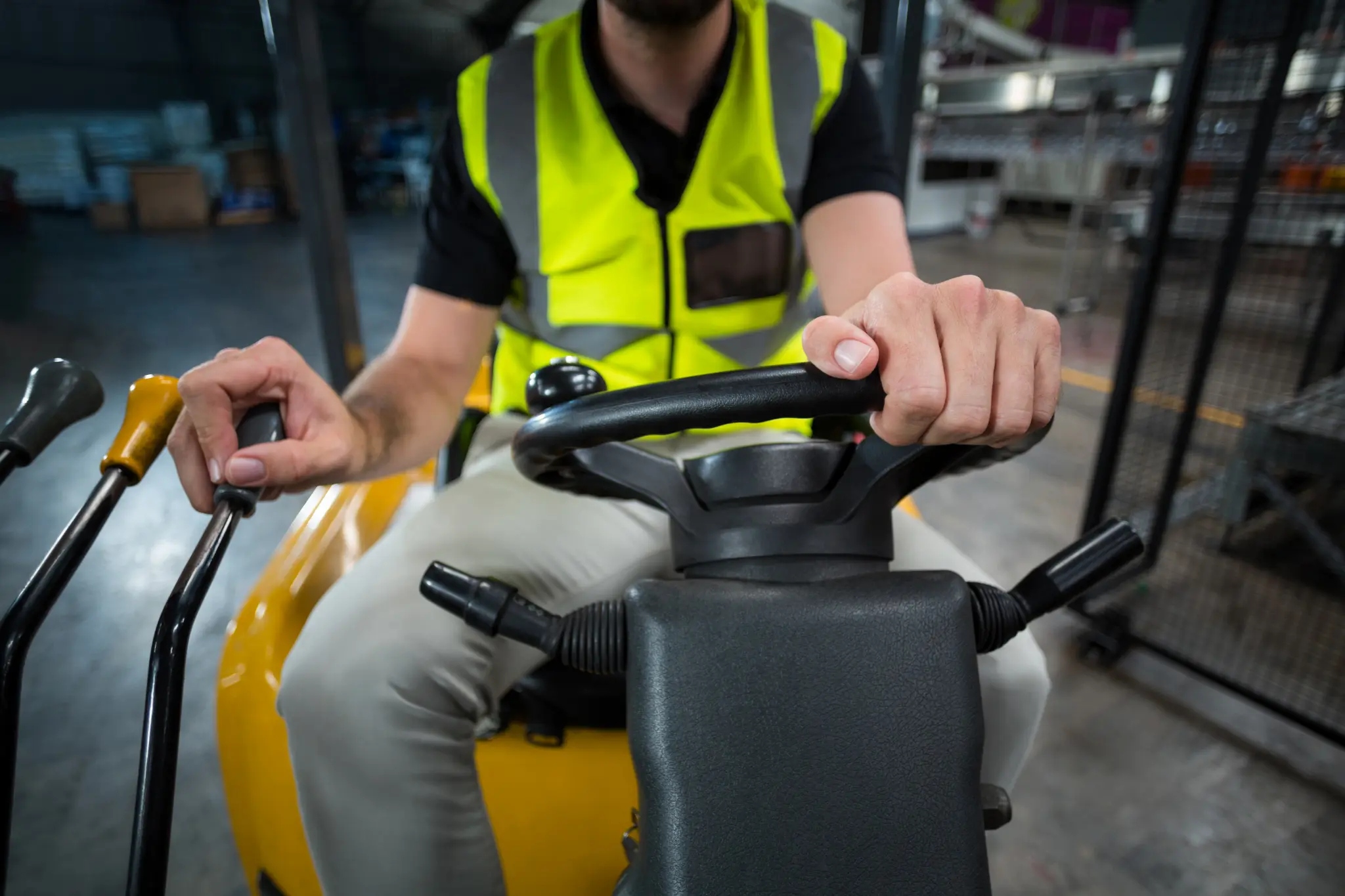
how to get forklift certified
Getting forklift certified is essential for operating heavy equipment safely and complying with OSHA regulations. Whether you’re seeking employment or advancing your career, proper training ensures workplace safety and legal compliance.
Understanding Forklift Certification Requirements
Forklift certification is not a one-size-fits-all process. Under OSHA standards (29 CFR 1910.178), employers are responsible for ensuring that every forklift operator is trained and certified. The certification covers three main areas: formal instruction, practical training, and evaluation. You must complete all three to receive a valid certification that is recognized nationwide. Certifications typically expire after three years, after which refresher training or recertification is required.
Eligibility for Forklift Certification
- You must be at least 18 years old.
- You should be physically capable of operating a forklift safely.
- No prior experience is necessary, but basic literacy and math skills help.
- Employers often require a clean driving record, especially for warehouse roles.
Step-by-Step Guide to Getting Forklift Certified
Step 1: Find a Training Program
You can obtain forklift certification through various channels:
- Employer-sponsored training: Many companies provide free certification as part of onboarding.
- Community colleges and trade schools: Offer courses that include both classroom and hands-on training.
- Independent training providers: Private companies often run weekend or one-day courses for individuals.
- Online programs: Some providers offer the theoretical portion online, followed by an in-person practical test.
Step 2: Complete Formal Instruction
Formal instruction covers topics such as:
- Forklift types and classifications
- Operating principles and controls
- Load handling and stability
- Workplace hazards and safe driving practices
- Fuel types (electric, propane, diesel, or lithium-ion)
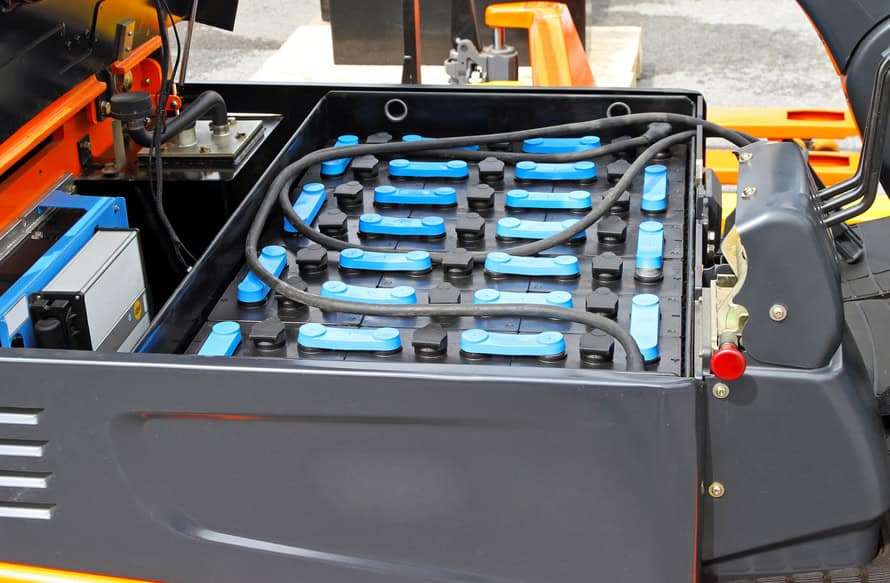
For example, operators training on modern electric forklifts like the Liftron DL SERIES learn about battery maintenance, charging procedures, and the benefits of zero-emission operation.
Step 3: Gain Practical Training
Hands-on training is where you actually drive a forklift under supervision. You’ll practice:
- Starting, stopping, and steering
- Loading and unloading pallets
- Stacking and unstacking
- Maneuvering in tight spaces
- Refueling or recharging equipment
Using advanced equipment like those from Liftron Material Handling accelerates learning because of intuitive controls and enhanced safety features.
Step 4: Pass the Evaluation
An evaluator will observe your driving skills in a real-world scenario. You must demonstrate safe operation, proper load handling, and familiarity with workplace rules. Once you pass, you’ll receive a certification card valid for three years.
Types of Forklift Certifications
| Forklift Class | Type | Typical Use |
|---|---|---|
| Class I | Electric motor rider trucks | Warehouses, indoor facilities |
| Class II | Electric motor narrow aisle trucks | High-density storage |
| Class III | Electric hand trucks or walkie-rider | Small spaces, loading docks |
| Class IV | Internal combustion engine trucks (solid tires) | Outdoor or rough terrain |
| Class V | Internal combustion engine trucks (pneumatic tires) | Large yards, lumber yards |
| Class VI | Electric and ICE tow tractors | Pulling heavy loads |
| Class VII | Rough terrain forklifts | Construction sites |
How Long Does It Take to Get Forklift Certified?
Most certification programs can be completed in one to two days. Classroom instruction takes 4–6 hours, while practical training and evaluation require another 2–4 hours. Some employers allow you to complete the training online at your own pace, then schedule a practical session.
Cost of Forklift Certification
Costs vary widely. Employer-sponsored training is often free. Independent programs range from $100 to $350. Online courses can be as low as $50, but they must include an in-person practical exam. When comparing costs, consider the reputation of the provider and whether they use modern equipment.
Renewing and Recertifying Your Forklift License
Certifications expire every three years. You must take a refresher course if you have an accident, near miss, or are assigned to a different type of forklift. Refresher training typically takes only a few hours. Many companies offer recertification discounts for returning students.
Benefits of Getting Certified
- Higher earning potential: Certified operators often earn $1–$3 more per hour.
- Job security: Forklift operators are in high demand in warehousing, logistics, and manufacturing.
- Safety: Proper training reduces workplace injuries by up to 70%.
- Career advancement: Experience leading to logistics supervisor or warehouse manager roles.
Tips for Choosing a Certification Program
- Ensure the program is OSHA-compliant.
- Look for hands-on training with modern equipment, such as lithium-ion models from Liftron Material Handling.
- Check if the certificate is issued by a recognized organization.
- Ask about retake policies in case you don’t pass the first time.
Common Mistakes to Avoid
- Relying solely on online training without practical experience.
- Not checking the expiration date of your certification.
- Operating a forklift class you are not certified for.
- Ignoring employer-specific training, which is still required even with a valid certificate.
Conclusion
Getting forklift certified is a straightforward process that opens doors to stable, well-paying jobs. With the right training program and practice, you can become a safe and skilled operator. Investing in training with quality equipment like the Liftron DL SERIES ensures you learn on industry-leading technology. Start your certification journey today to advance your career and contribute to a safer workplace.
Add a review
Your email address will not be published. Required fields are marked *