
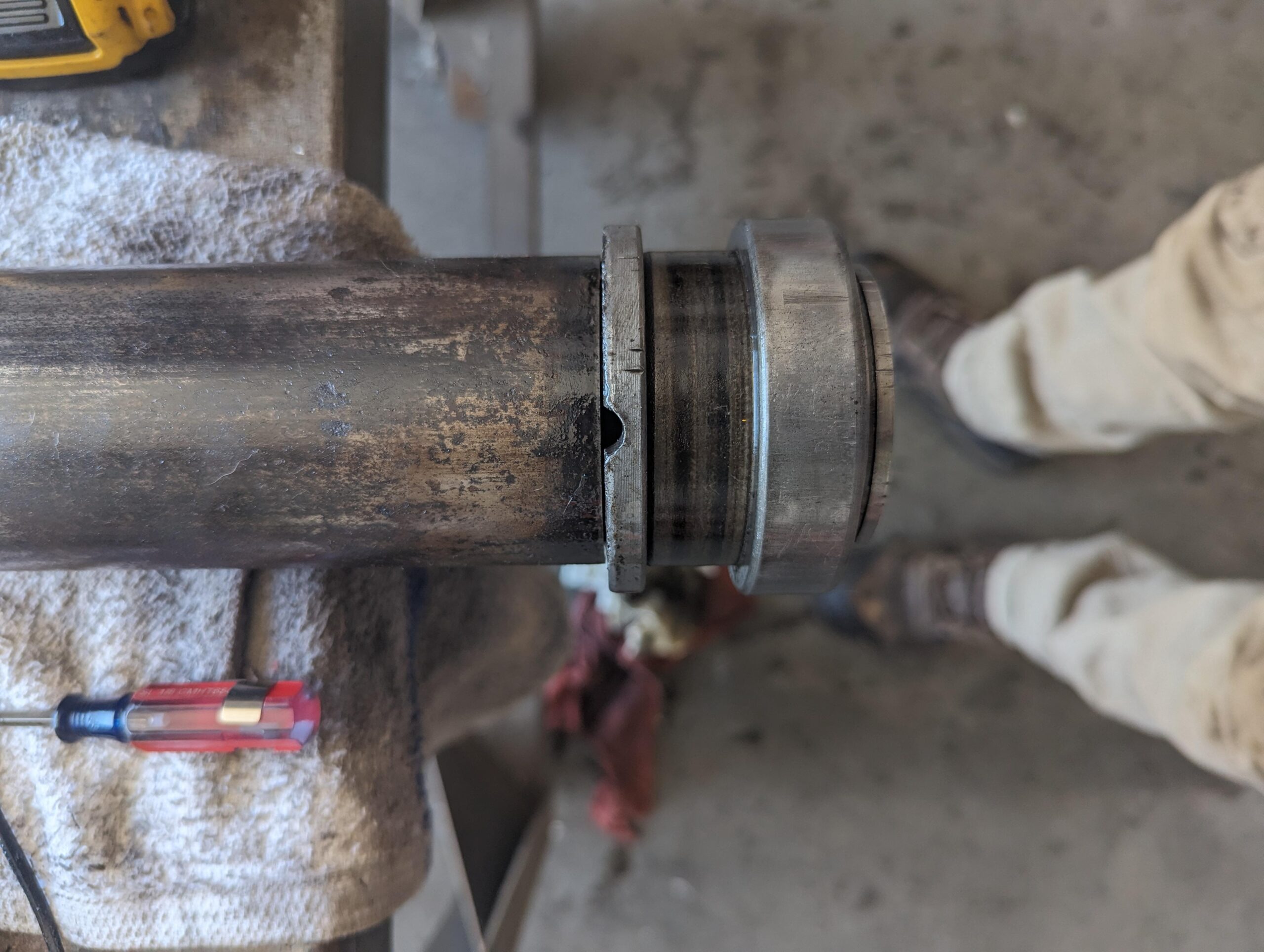
How to Remove a Hydraulic Cylinder from a Forklift?
Before removing a hydraulic cylinder from a forklift, the most important step is to completely relieve hydraulic system pressure and secure the mast or load-bearing components to prevent unexpected movement.
Hydraulic cylinders are critical components that control lifting, tilting, steering, and attachment functions. When repairing or replacing a cylinder on a forklift, following the correct removal procedure helps protect technicians and prevents damage to expensive hydraulic parts.
Why Do Forklift Hydraulic Cylinders Need Removal?
Hydraulic cylinders may need to be removed because of oil leaks, damaged seals, bent piston rods, internal wear, or reduced lifting performance.
Forklifts use hydraulic pressure to move heavy loads. Even when the machine is turned off, trapped hydraulic pressure can remain inside the system. This stored energy can cause sudden movement if components are disconnected incorrectly.
| Hydraulic Cylinder Type | Function | Common Removal Reason |
|---|---|---|
| Lift Cylinder | Raises and lowers forks | Seal leaks, slow lifting, damaged rod |
| Tilt Cylinder | Moves mast forward and backward | Hydraulic leaks or alignment problems |
| Steering Cylinder | Controls steering movement | Loss of steering response |
| Attachment Cylinder | Controls specialized attachments | Attachment movement failure |
What Is the Most Important Thing to Do Before Removing a Hydraulic Cylinder?
The most important step before removing a hydraulic cylinder from any machine is relieving all hydraulic system pressure.
Hydraulic fluid can remain pressurized even after the forklift is switched off. Disconnecting a hose or cylinder while pressure exists can cause hydraulic oil to spray at high velocity, creating serious safety risks.
Never place your hands near a hydraulic leak to check for pressure. High-pressure hydraulic fluid can penetrate skin and cause severe injuries.
Tools and Safety Equipment Required
| Tool / Equipment | Purpose |
|---|---|
| Safety glasses | Protect eyes from hydraulic fluid |
| Work gloves | Protect hands during removal |
| Drip pan | Collect leaking hydraulic oil |
| Wrenches and sockets | Remove mounting hardware |
| Mast supports or blocks | Prevent unexpected movement |
| Lifting equipment | Handle heavy cylinders safely |
Steps to Remove a Hydraulic Cylinder from a Forklift
Step 1: Relieve System Pressure
The first step is shutting down the forklift and removing hydraulic pressure from the system.
- Park the Forklift Safely: Place the forklift on a flat surface and engage the parking brake.
- Lower the Forks: Lower the mast or forks completely to remove stored energy.
- Turn Off Power: Switch off the forklift and disconnect the power source when required.
- Move Hydraulic Controls: Operate the hydraulic controls with the machine off to release remaining pressure.
Step 2: Secure the Mast and Chains
Before removing a lift cylinder, the mast must be properly supported. A hydraulic cylinder may support a large portion of the mast weight.
Use approved blocks or supports to prevent the mast from dropping unexpectedly during cylinder removal.
| Safety Action | Purpose |
|---|---|
| Secure mast sections | Prevent sudden movement |
| Support raised components | Reduce cylinder load |
| Keep workers away | Prevent injury during movement |
Step 3: Disconnect Hydraulic Lines
Place a drip pan underneath the hydraulic connections before removing hoses. Hydraulic fluid may leak when the lines are disconnected.
- Clean the area around hydraulic fittings.
- Label hoses if multiple connections are present.
- Slowly loosen fittings to confirm pressure is released.
- Cap or plug open hydraulic lines to prevent contamination.
Step 4: Remove Mounting Bolts and Pins
After hydraulic lines are disconnected, remove the hardware that connects the cylinder to the forklift frame or mast.
Depending on the forklift model, cylinders may be attached using mounting pins, retaining clips, bolts, or brackets.
| Mounting Component | Removal Method |
|---|---|
| Retaining Pin | Remove clip and slide pin out |
| Mounting Bolt | Remove with correct socket or wrench |
| Hydraulic Fitting | Disconnect after pressure release |
Step 5: Lift and Extract the Cylinder
Forklift hydraulic cylinders are heavy and may require lifting equipment for safe removal.
Carefully remove the cylinder from its mounting location. Avoid dropping, bending, or striking the piston rod because even small damage can cause future seal failure.
Inspection After Cylinder Removal
Once removed, inspect the cylinder carefully before rebuilding or replacing it.
| Component | Inspection Point |
|---|---|
| Piston Rod | Check for scratches, rust, or bending |
| Seals | Look for cracks or hardening |
| Cylinder Barrel | Check for internal damage |
| Mounting Points | Inspect for cracks or excessive wear |
Common Mistakes When Removing Forklift Cylinders
- Removing hydraulic hoses before releasing pressure.
- Failing to support the mast.
- Allowing hydraulic contamination into open lines.
- Using incorrect tools on fittings.
- Trying to remove heavy cylinders without proper lifting equipment.
- Skipping inspection after removal.
When Should a Hydraulic Cylinder Be Replaced?
Some cylinders can be rebuilt with new seals, while others require complete replacement.
| Condition | Recommended Action |
|---|---|
| Minor seal leakage | Replace seals and rebuild |
| Damaged piston rod | Repair or replace rod |
| Cracked cylinder body | Replace cylinder assembly |
| Repeated failures | Consider full replacement |
Electric Forklifts and Hydraulic Cylinder Maintenance
Electric forklifts still use hydraulic cylinders for lifting and mast functions. Although they do not have combustion engines, their hydraulic systems require regular inspection and maintenance.
Modern electric equipment such as liftron forklifts combines efficient electric power systems with hydraulic technology to provide reliable material handling performance.
Final Safety Checklist Before Returning to Service
- Check all hydraulic connections for leaks.
- Confirm mounting pins and bolts are properly installed.
- Test cylinder movement without a load.
- Perform a controlled load test.
- Verify the forklift operates normally before daily use.
Conclusion
Removing a hydraulic cylinder from a forklift requires proper preparation, pressure release, mast support, and careful handling of heavy components.
The most important safety step is relieving hydraulic pressure before disconnecting any hydraulic lines. Following the correct removal process helps prevent injuries, protects equipment, and makes cylinder repair safer and more efficient.
Regular hydraulic maintenance keeps your forklift operating reliably and reduces unexpected downtime in demanding workplace environments.
Add a review
Your email address will not be published. Required fields are marked *