
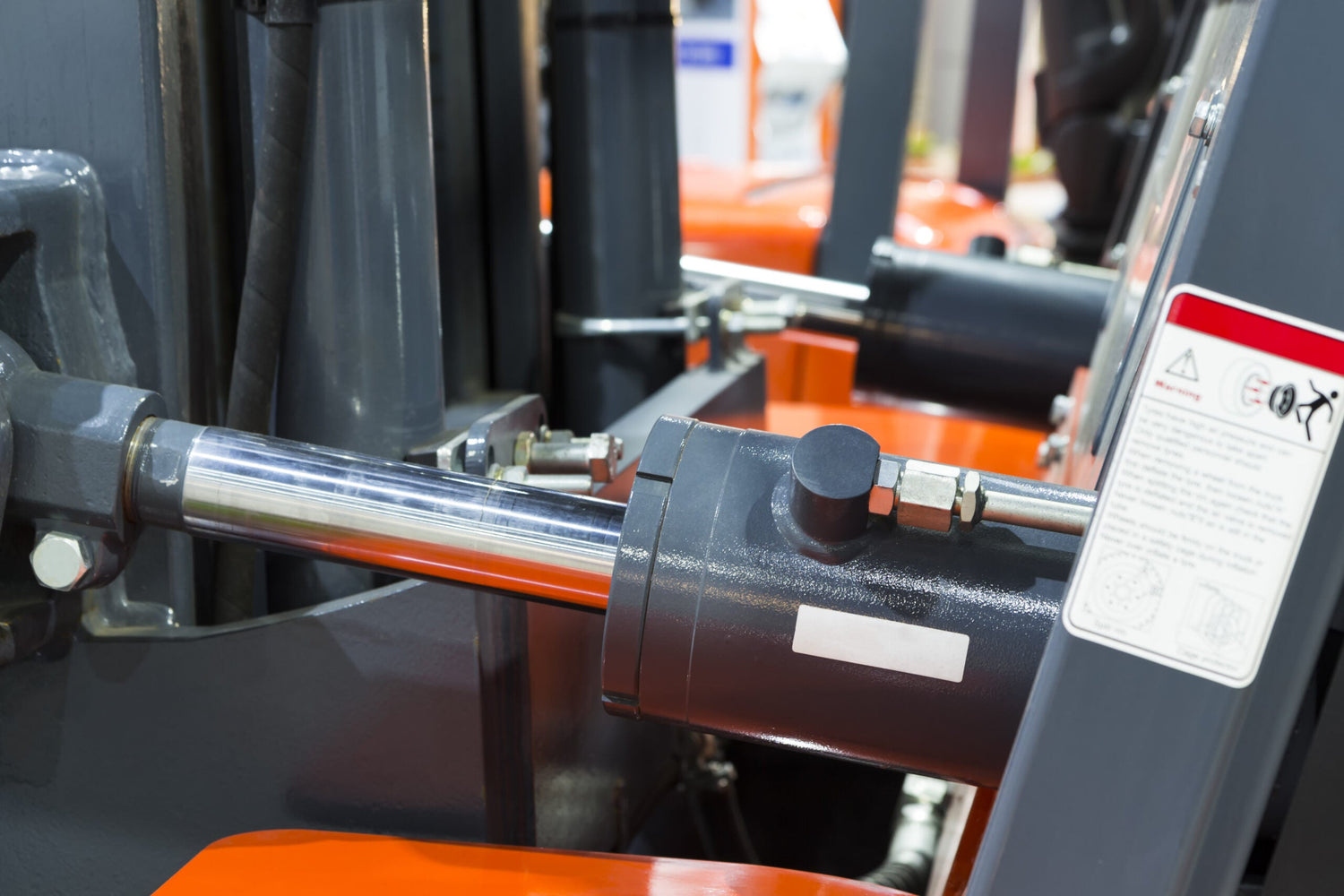
How to Repair the Cylinder on a Forklift?
To repair a leaking forklift cylinder, safely release hydraulic pressure, remove the cylinder, disassemble the rod assembly, replace worn seals and O-rings, reassemble the unit, and perform a complete safety test.
Forklift cylinders are essential hydraulic components responsible for lifting, tilting, steering, and controlling attachments. When a cylinder develops leaks, slow movement, or reduced lifting power, proper repair is necessary to maintain safe operation of any forklift.
Why Do Forklift Cylinders Need Repair?
Forklift hydraulic cylinders operate under extremely high pressure. Over time, seals, O-rings, and internal components can wear due to repeated lifting cycles, contamination, and normal aging.
A damaged cylinder can affect forklift performance and create safety risks. Common symptoms include hydraulic fluid leaks, uneven lifting, slow mast movement, and difficulty maintaining load position.
| Problem Symptom | Possible Cause |
|---|---|
| Hydraulic oil leaking around cylinder | Damaged seals or worn gland components |
| Forks lower slowly | Internal seal leakage or pressure loss |
| Mast movement is uneven | Air in hydraulic system or cylinder wear |
| Cylinder will not move | Hydraulic valve or internal damage |
Types of Forklift Cylinders That May Require Repair
Different forklift cylinders perform different functions. The repair process is similar, but the location and application may vary.
| Cylinder Type | Function | Common Repair Issues |
|---|---|---|
| Lift Cylinder | Raises and lowers forks | Seal leaks, worn rods, damaged packing |
| Tilt Cylinder | Moves mast forward and backward | Leaking seals, bent components |
| Steering Cylinder | Controls steering movement | Hydraulic leaks and reduced response |
| Attachment Cylinder | Controls clamps and attachments | Seal failure and pressure loss |
Tools and Safety Equipment Needed
Before repairing any hydraulic cylinder, prepare the correct tools and safety equipment. Hydraulic components store significant pressure and must be handled carefully.
| Tool or Equipment | Purpose |
|---|---|
| Safety gloves and glasses | Protect against hydraulic fluid exposure |
| Spanner wrench | Remove gland nut |
| Hydraulic pressure tools | Confirm system pressure is released |
| Seal replacement kit | Replace worn internal components |
| Lifting equipment | Safely support heavy cylinder parts |
Never attempt cylinder repair while hydraulic pressure remains in the system. Pressurized hydraulic fluid can penetrate skin and cause serious injury.
Step-by-Step Guide to Repair a Forklift Cylinder
Step 1: Preparation and Cylinder Removal
The first step is preparing the forklift for safe repair. Park the machine on a flat surface, lower the forks, engage the parking brake, and turn off the power source.
- Secure the Mast: Use proper supports or blocks to prevent unexpected movement.
- Release Hydraulic Pressure: Move hydraulic controls after shutdown to remove remaining system pressure.
- Disconnect Hydraulic Lines: Carefully remove hoses and prevent contamination from entering the system.
- Remove Mounting Pins: Remove cylinder pins and hardware connecting the cylinder to the forklift.
Step 2: Disassembly of the Cylinder
After removing the cylinder, place it on a clean workbench. Hydraulic cylinders contain precision components, so cleanliness is extremely important.
- Secure the cylinder body properly.
- Use a spanner wrench to loosen and remove the gland nut.
- Pull the rod assembly carefully from the cylinder barrel.
- Remove old seals, O-rings, and wear bands.
Step 3: Inspection and Seal Replacement
Inspect all internal components before installing replacement parts. A new seal will not solve problems caused by damaged rods or cylinder barrels.
| Component | Inspection Point |
|---|---|
| Rod | Check for scratches, bending, or corrosion |
| Cylinder Barrel | Look for internal damage or scoring |
| Seals | Replace hardened or damaged seals |
| Wear Bands | Replace excessive wear components |
Install new seals in the same orientation as the original components. Incorrect seal placement can cause immediate leakage after reassembly.
Step 4: Reassembly and Testing
After replacing damaged components, carefully reinstall the rod assembly and tighten the gland nut according to manufacturer specifications.
- Lubricate seals before installation.
- Insert the rod assembly into the cylinder barrel.
- Tighten the gland nut securely.
- Reconnect hydraulic hoses and mounting hardware.
- Refill hydraulic fluid if necessary.
- Test cylinder movement slowly before normal operation.
How to Test a Repaired Forklift Cylinder
A repaired cylinder should be tested carefully before returning the forklift to service.
| Test | Purpose |
|---|---|
| Visual inspection | Check for leaks around seals and connections |
| Lift test | Confirm proper raising and lowering |
| Load test | Verify safe operation under rated capacity |
| Pressure test | Confirm hydraulic system performance |
Common Mistakes During Forklift Cylinder Repair
- Failing to release hydraulic pressure before removal.
- Using incorrect replacement seals.
- Installing seals in the wrong direction.
- Ignoring damaged cylinder rods.
- Reusing worn hydraulic components.
- Skipping final safety testing.
When Should You Replace Instead of Repair?
Not every cylinder should be rebuilt. Severe damage may make replacement safer and more economical.
| Condition | Recommended Action |
|---|---|
| Minor seal leak | Replace seals and rebuild cylinder |
| Damaged rod surface | Repair or replace rod |
| Cracked cylinder body | Replace complete cylinder |
| Repeated failures | Consider replacement |
Electric Forklifts and Hydraulic Maintenance
Electric forklifts still rely on hydraulic systems for lifting and mast control. Although they do not use combustion engines, hydraulic maintenance remains essential for reliable operation.
Conclusion
Repairing a forklift cylinder requires careful preparation, hydraulic pressure removal, proper disassembly, seal replacement, and complete safety testing.
Whether repairing a lift cylinder, tilt cylinder, or steering cylinder, using correct procedures helps prevent leaks, improve performance, and extend equipment life.
Regular inspections and preventive maintenance are the best ways to reduce hydraulic failures and keep your forklift operating safely and efficiently.
Add a review
Your email address will not be published. Required fields are marked *