
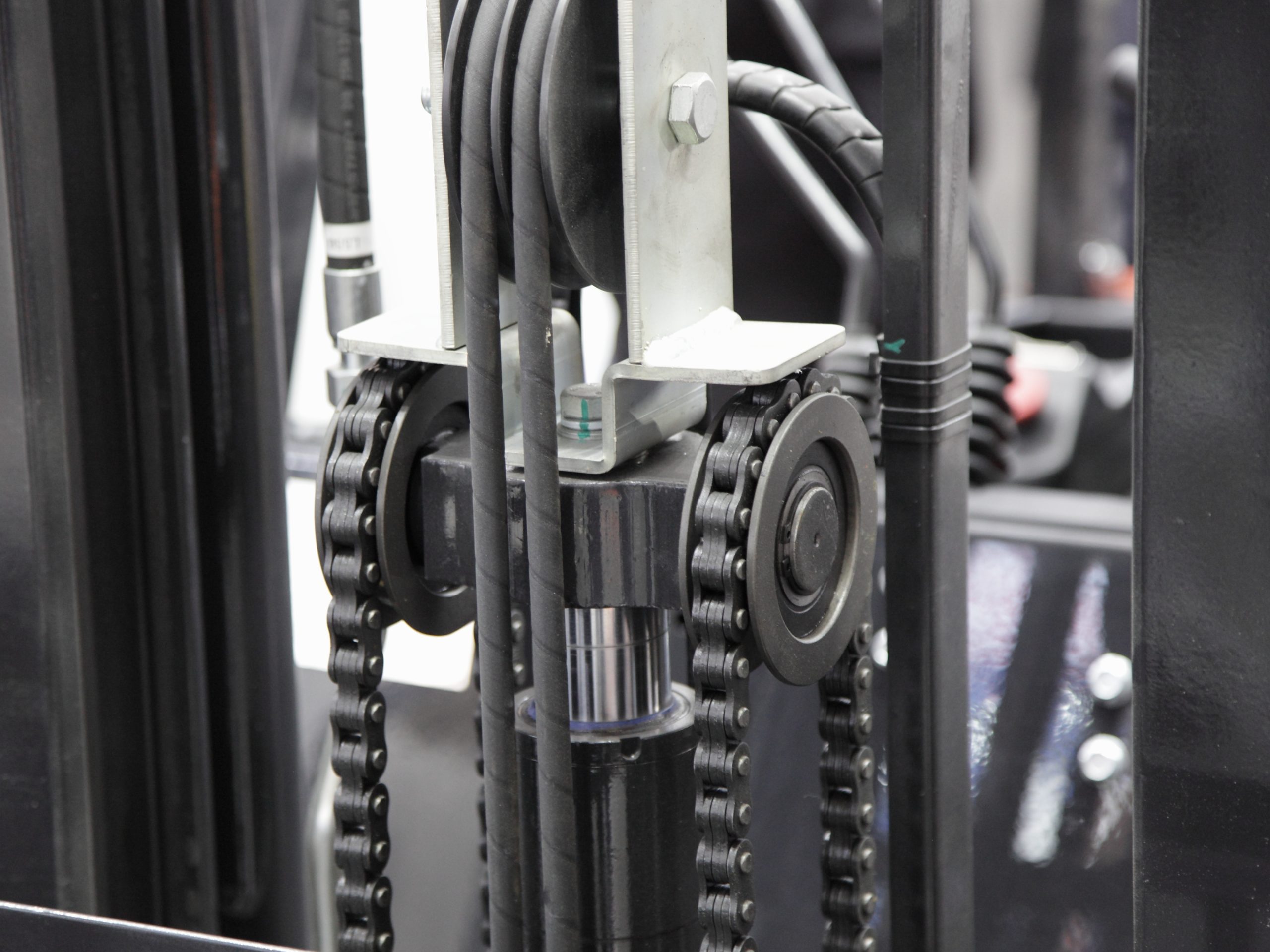
What Is a Silver Cylinder on a Forklift?
The silver cylinder on a forklift is usually a hydraulic cylinder. Vertical cylinders on the mast lift the forks, while horizontal cylinders behind the mast control tilt movement. A silver cylinder at the rear may be an LP gas fuel tank.
Forklifts contain several hydraulic and mechanical components that allow them to lift heavy loads, control mast movement, and safely transport materials. When looking at a forklift, identifying the purpose of a silver cylinder depends mainly on where the component is installed.
Why Do Forklifts Have Silver Cylinders?
Forklifts use hydraulic cylinders to convert hydraulic pressure into mechanical movement. Hydraulic fluid from the pump enters the cylinder, pushing a piston that creates controlled movement.
This system allows forklifts to lift thousands of pounds with precise control. Without hydraulic cylinders, forklifts would not be able to raise loads, adjust the mast angle, or perform many essential material handling tasks.
| Component | Main Function | Typical Location |
|---|---|---|
| Lift Cylinder | Raises and lowers forks | Vertical mast area |
| Tilt Cylinder | Moves mast forward and backward | Behind the mast |
| Steering Cylinder | Controls wheel direction | Rear axle area |
| LP Gas Cylinder | Stores fuel for combustion forklifts | Rear/top of forklift |
Types of Silver Cylinders on a Forklift
1. Lift Cylinders
Lift cylinders are the most common silver cylinders found on forklifts. They are large vertical hydraulic cylinders installed on the mast assembly.
When the operator activates the lift control, hydraulic fluid enters the cylinder and pushes the piston upward. This movement raises the carriage, chains, and forks.
| Feature | Lift Cylinder |
|---|---|
| Position | Vertical on the mast |
| Function | Raises and lowers loads |
| Power Source | Hydraulic pressure |
| Common Problems | Leaks, worn seals, slow lifting |
2. Tilt Cylinders
Tilt cylinders are usually smaller than lift cylinders and are mounted horizontally or diagonally behind the mast.
Most forklifts have two tilt cylinders, one on each side of the mast. They allow the operator to tilt the mast forward and backward.
Tilting backward helps stabilize loads during transportation, while tilting forward helps position forks during pallet entry and unloading.
Never use the tilt function to compensate for an unstable load. Always keep loads centered, secure, and within the forklift's rated capacity.
3. Steering Cylinder
Some forklifts use hydraulic steering cylinders connected to the rear steering axle. These cylinders control the movement of the steering wheels.
Because the steering cylinder is often located underneath or behind the forklift, operators may not notice it unless inspecting the steering system.
4. LP Gas Fuel Cylinder
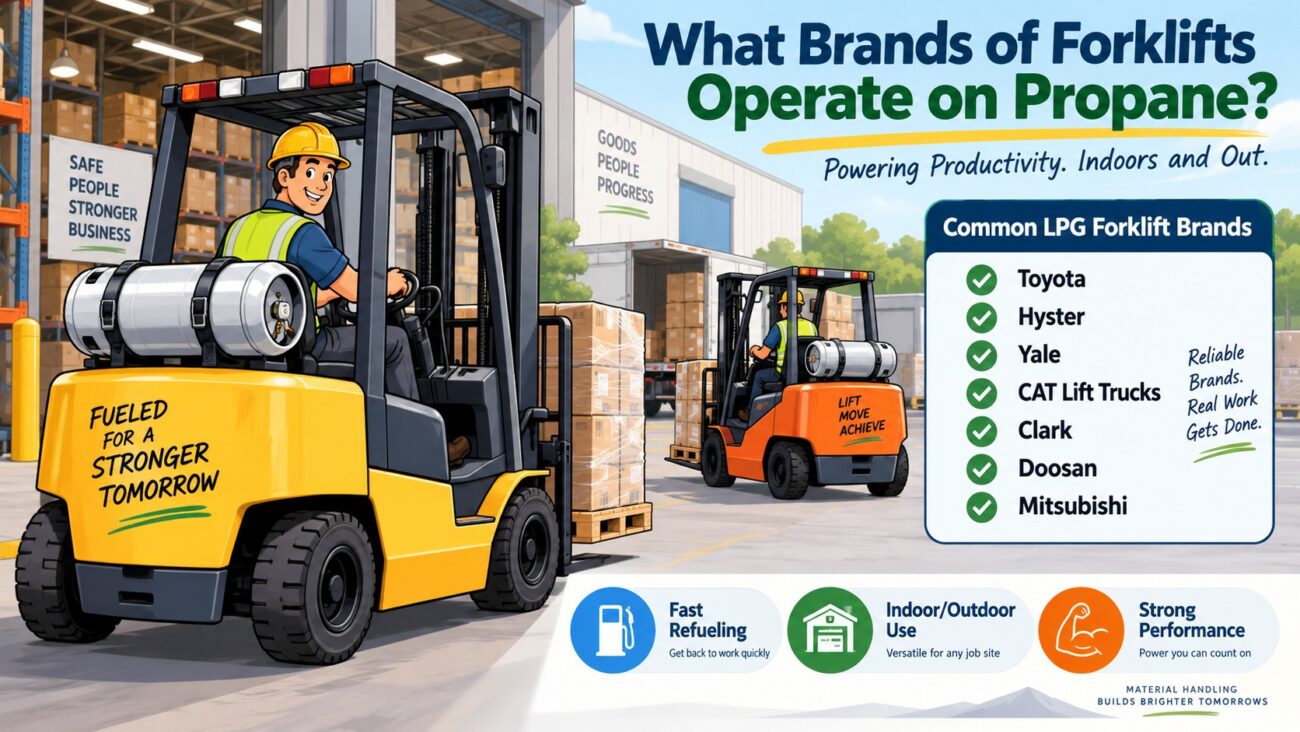
If the silver cylinder is mounted horizontally at the rear of the forklift, it may not be a hydraulic component. It could be an LP (liquid propane) fuel tank.
LP-powered forklifts use removable propane cylinders that store fuel for the internal combustion engine.
| Identification | Hydraulic Cylinder | LP Gas Tank |
|---|---|---|
| Shape | Narrow metal cylinder | Large rounded tank |
| Location | Mast or chassis | Rear of forklift |
| Connection | Hydraulic hoses | Fuel valve and connector |
| Purpose | Creates movement | Stores fuel |
What Are the Different Types of Forklift Cylinders?
Forklifts use several types of cylinders depending on their design and operating requirements.
| Cylinder Type | Purpose | Common Applications |
|---|---|---|
| Lift Cylinder | Vertical lifting movement | All hydraulic forklifts |
| Tilt Cylinder | Mast angle adjustment | Counterbalanced forklifts |
| Steering Cylinder | Wheel direction control | Hydraulic steering systems |
| Side Shift Cylinder | Moves attachments sideways | Fork positioning applications |
| Attachment Cylinder | Controls special attachments | Clamps, rotators, specialty equipment |
How to Identify a Silver Cylinder on a Forklift
Follow these steps to determine what type of cylinder you are looking at:
- Check the Location: Look at whether the cylinder is on the mast, behind the mast, underneath the truck, or at the rear.
- Observe the Mounting Direction: Vertical cylinders are usually lift cylinders, while horizontal cylinders are often tilt or steering cylinders.
- Inspect Connections: Hydraulic cylinders have hydraulic hoses, while LP tanks have fuel valves and connectors.
- Identify the Movement: Watch what moves when the operator activates the controls.
- Check the Manufacturer Manual: Confirm component identification using the forklift service documentation.
Common Forklift Cylinder Problems
Hydraulic cylinders operate under high pressure, so proper maintenance is essential.
| Problem | Possible Cause | Solution |
|---|---|---|
| Hydraulic Leak | Damaged seals or hoses | Replace worn components |
| Slow Lifting | Low hydraulic pressure | Check fluid level and pump condition |
| Uneven Movement | Cylinder wear or air in system | Inspect hydraulic system |
| No Movement | Valve or cylinder failure | Perform professional diagnosis |
Maintenance Tips for Forklift Cylinders
- Inspect hydraulic cylinders during daily checks.
- Look for oil leaks around seals and connections.
- Keep hydraulic fluid at the correct level.
- Avoid operating with damaged hoses.
- Follow manufacturer maintenance schedules.
- Repair leaks immediately to prevent larger failures.
Electric Forklifts and Hydraulic Systems
Electric forklifts still use hydraulic systems for lifting and mast control. The difference is that electric models use battery-powered motors instead of combustion engines.
Conclusion
A silver cylinder on a forklift is usually a hydraulic lift cylinder or tilt cylinder. The exact purpose depends on where the cylinder is located and what movement it controls.
Understanding forklift cylinders helps operators identify components, recognize maintenance issues, and operate equipment more safely. Regular inspection of hydraulic systems is essential for maintaining reliable lifting performance.

Add a review
Your email address will not be published. Required fields are marked *