
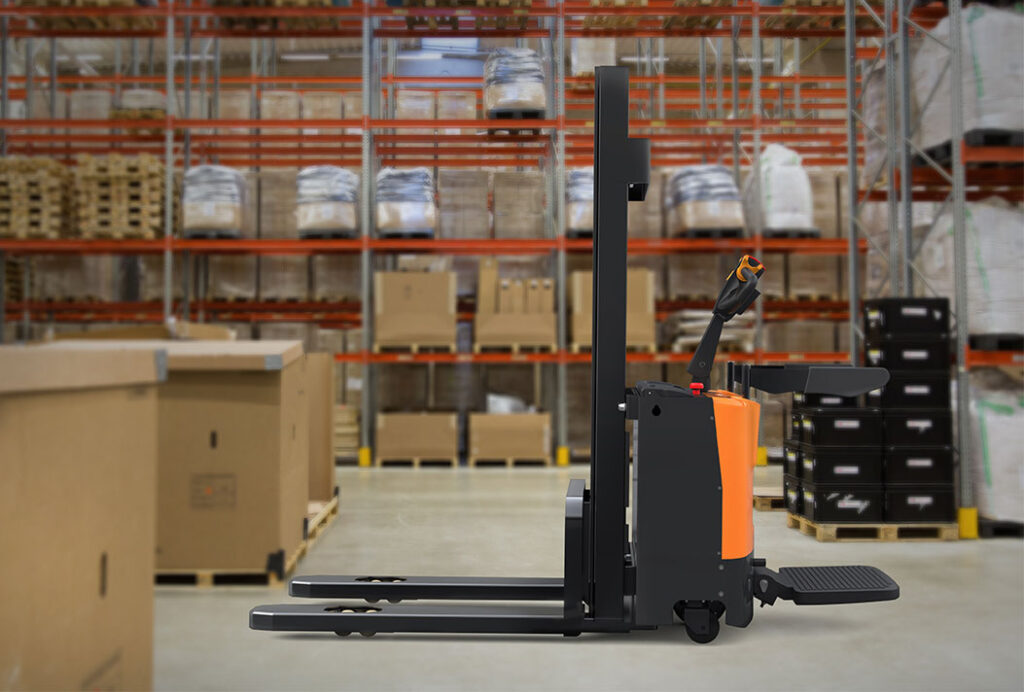
how to drive a liftron stand up forklift
Learning to operate a stand-up forklift, such as those offered by Liftron Material Handling, requires a mix of theoretical knowledge and hands-on practice. This guide covers essential steps for driving a stand-up forklift safely and efficiently, focusing on controls, maneuvers, and best practices.
Understand the Basic Controls
Before starting the engine, familiarize yourself with the stand-up lift’s main controls. Typical configurations include a steering wheel or tiller arm, a drive control, mast lift/lower levers, tilt controls, and an emergency brake. On models like the Liftron DL SERIES, you may also find digital displays and regenerative braking systems. Always consult the operator’s manual for your specific unit.
Pre-Operation Inspection
Daily checks are critical for safety. Walk around the lift and examine:
- Tires for wear or damage
- Fluid levels (hydraulic oil, brake fluid, coolant)
- Forks for cracks or bending
- Lights, horn, and backup alarm functionality
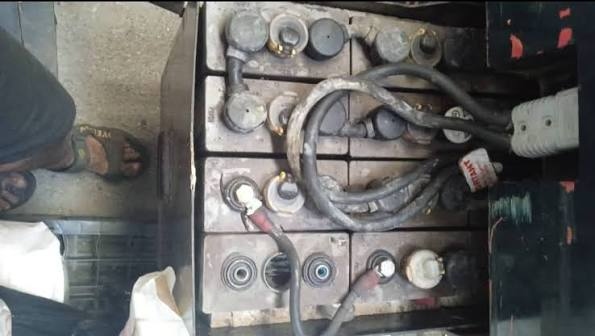
- Battery charge level and cable connections
Report any issues before operating. A thorough inspection reduces accident risks and extends equipment life.
Mounting and Starting the Forklift
Stand facing the operator compartment. Use the handholds and step to climb in. Once inside:
- Fasten the seat belt or operator restraint system
- Adjust the seat or standing position for comfortable reach to pedals and controls
- Insert the key and turn to the “on” position; wait for system checks
- Press the start button (or turn key further) to engage the electric motor
Note: Stand-up lifts often use electric motors that are silent. Confirm the “ready” indicator is lit before moving.
Basic Driving Techniques
Forward and Reverse
Most stand-up lifts use a twist grip or thumb switch for direction control. Typically, the main drive control is a lever or joystick that operates like a throttle: pushing forward moves the lift forward, pulling back reverses. Practice in an open area until you feel smooth control. Always look in the direction of travel and sound the horn when approaching corners.
Steering
Steering with a tiller arm or wheel: turn the handle in the direction you want the rear (or front) wheels to go. Stand-up lifts often have tighter turning radii than sit-down models. Use gentle inputs to avoid over-steering, especially when carrying loads.
Braking
Release the drive control to coast; apply the brake pedal gently to slow down. Many electric lifts have regenerative brakes that recharge the battery during deceleration. For emergency stops, press the brake firmly but avoid locked wheels. Always set the parking brake when leaving the lift unattended.
Load Handling Procedures
Picking Up a Load
Approach the pallet or load straight-on with forks at proper height (typically 4-6 inches above ground). Slowly drive forward until forks fully enter the pallet. Then:
- Lift the load slightly (1-2 inches) to clear the rack or ground
- Tilt the mast back slightly to stabilize the load
- Reverse slowly while checking clearances
Traveling with a Load
Keep the load low (6-10 inches off the ground) and tilted back. Drive at a safe speed—never exceed 5 mph in most warehouse environments. Look up at overhead obstructions and scan floor for obstacles. Avoid sharp turns; decelerate before turning.
Stacking and Unstacking
When raising the load to a high rack, stop 2-3 feet before the rack, then lift forks to desired height. Drive forward carefully until the load is over the rack, then lower it until the pallet rests. Tilt forks forward slightly to release the load, then reverse slowly. Always keep hands and feet inside the operator compartment.
Safety Best Practices
- Never exceed the lift’s rated capacity—check the data plate
- Always wear appropriate PPE (hard hat, safety shoes, high-vis vest)
- Maintain three points of contact when mounting/dismounting
- Keep arms, legs, and head inside the operator area
- Do not carry passengers
- Use the horn and travel at walking speed in congested areas
Routine Maintenance Tips
| Maintenance Task | Frequency | Notes |
|---|---|---|
| Battery charge | After each shift | Use approved charger; avoid deep discharge |
| Tire pressure check | Weekly | Refer to manufacturer specs |
| Hydraulic fluid level | Weekly | Top up with recommended fluid |
| Brake inspection | Monthly | Check pads and fluid |
| Control lever lubrication | Monthly | Use lubricant specified by manufacturer |
Following a structured maintenance schedule—such as the one recommended by Liftron Material Handling—improves reliability and operator safety.
Training and Certification
OSHA requires formal training and certification for all forklift operators. Your employer should provide both classroom instruction and practical evaluation. For electric stand-up lifts like the Liftron DL SERIES, training often covers battery safety, charging procedures, and unique handling characteristics. Even experienced operators benefit from periodic refresher courses.
Conclusion
Driving a stand-up forklift is a skill that combines careful preparation, proper technique, and constant vigilance. By mastering the controls, practicing load handling, and adhering to safety protocols, you can operate confidently and productively. Whether you are moving pallets in a warehouse or loading trucks, the principles remain the same—safety first, always.

Add a review
Your email address will not be published. Required fields are marked *