
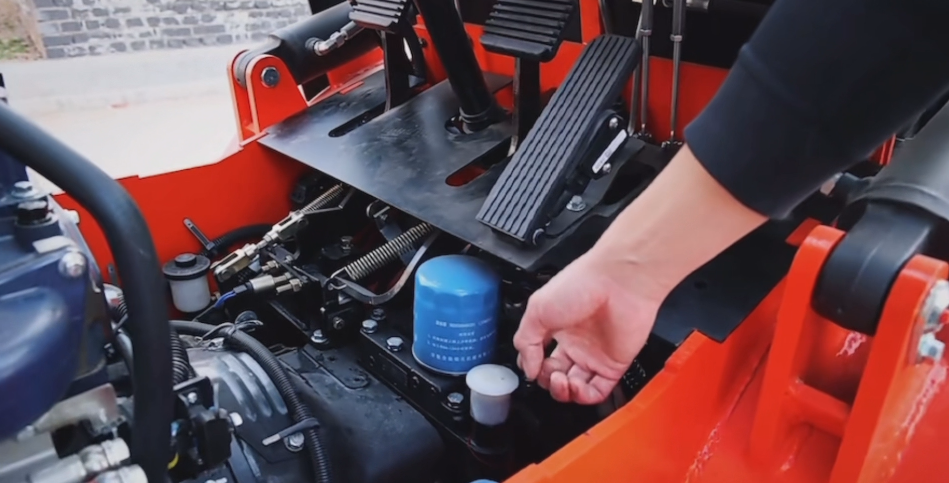
what filter fits what forklift
Selecting the correct filter for your forklift is critical for engine longevity and operational efficiency, but with countless models and specifications, finding the right match can be challenging. This guide breaks down how to identify compatible oil, fuel, air, and hydraulic filters for various lift trucks, including electric models.
Understanding Filter Types by Function
Forklift filters serve distinct purposes depending on the system they protect. Engine oil filters remove contaminants from lubricating oil, fuel filters ensure clean fuel reaches the injectors, air filters prevent dust from entering the intake, and hydraulic filters maintain fluid cleanliness in hydraulic systems. For electric forklifts, the focus shifts to cooling system filters and steering/brake system filters.
Oil Filters
Most internal combustion forklifts use spin-on or cartridge-style oil filters. Key specifications include thread size (typically 3/4″-16 or 1″-12 for spin-ons), bypass valve setting, and micron rating. Always cross-reference the OEM part number, as filters from competitors like Baldwin, Wix, or Fram often have direct equivalents.
Fuel Filters
Diesel forklifts require fuel filters with specific water separation capabilities and micron ratings (typically 10 to 30 microns). Gasoline models use simpler inline filters. For LPG units, a separate vapor filter may be needed. Thread type and bowl material (metal vs. clear plastic) are critical matching factors.
Air Filters
Air filters are identified by outer diameter, inner diameter, height, and gasket type. Panel filters (used in some electric models) require precise length, width, and depth measurements. Safety filters (secondary) are common in heavy-duty applications. Cross-referencing the manufacturer’s air filter cross-reference guide is recommended.
Hydraulic and Transmission Filters
Hydraulic filters are often spin-on or cartridge-style with specific bypass pressure and flow ratings. Transmission filters (for trucks with automatic transmissions) have unique gasket shapes and O-ring sizes. Always verify port configuration for spin-on types.
How to Identify the Correct Filter for Your Forklift
The most reliable method is to locate the OEM filter part number on the old filter itself. Many filters are stamped with a manufacturer number (e.g., “LF12345”) or a brand-specific code. If unavailable, consult your forklift’s serial number and engine model—most manufacturers provide lookup tools online. For example, Liftron Material Handling maintains comprehensive cross-reference databases for their fleet, simplifying replacement part identification.
Step-by-Step Cross-Referencing
- Record existing filter details: Note brand, part number, thread size, diameter, height, and gasket type.
- Check the equipment manual: Most manuals list recommended filter part numbers for oil, fuel, air, and hydraulic systems.
- Use an online cross-reference tool: Input the OEM number to find compatible alternatives from major brands like Donaldson, Fleetguard, or Wix.
- Verify physical fitment: Measure dimensions to ensure clearance in the designated mounting location.
- Match micron ratings and bypass settings: Never substitute a filter with a different critical specification.
Common Fitment Issues and Solutions
Thread pitch mismatches (e.g., UNF vs. BSP) are frequent problems. Ensure the filter’s thread matches the engine block or filter head. For hydraulic filters, check that the bypass valve relieves at the correct pressure to avoid system damage. Air filter elements must seal perfectly to prevent unfiltered air bypass. Using a gasket that is too thick or too thin can cause leaks. For electric forklifts, such as those in the Liftron DL SERIES, hydraulic filters are often smaller with SAE or metric ports—verify the O-ring size and back-up ring configuration.
Filter Specifications by Lift Truck Type
| Lift Truck Type | Oil Filter Thread | Fuel Filter Micron | Air Filter Style | Hydraulic Filter Type |
|---|---|---|---|---|
| IC Diesel (2.5-3.5 ton) | 3/4″-16 UNF | 10-25 micron | Round / Conical | Spin-on (SAE 1-1/4″) |
| IC Gasoline (1-2 ton) | 3/4″-16 or 1″-12 | 10-30 micron | Panel or Round | Inline / Cartridge |
| Electric (Lithium-ion) | N/A (electric) | N/A | Panel or Small Round | Cartridge with O-ring |
| LPG (3-5 ton) | 3/4″-16 UNF | 5-10 micron (vapor filter) | Round | Spin-on / Cartridge |
Where to Find Reliable Cross-Reference Data
Leading filter manufacturers offer online databases—enter your OEM number to get compatible alternatives. Liftron Material Handling provides filter lookup services for their entire product line, including detailed specification sheets. Additionally, many forklift dealers maintain physical cross-reference catalogs. For uncommon or discontinued models, consider contacting a filtration specialist who can measure thread dimensions and recommend a match. Always prioritize filters that meet or exceed OEM specifications—cheap substitutes may cost more in engine repairs.
Additional Tips for Electric Forklift Filters
Electric forklifts like the Liftron DL SERIES have fewer filters overall, but are not maintenance-free. They feature cooling system filters for the battery thermal management system, and sometimes steering/hydraulic filters if the truck has power steering. The cooling filter typically has a small thread (e.g., 1/2″ BSP) or is a cartridge type with a large O-ring. Always consult your specific model’s service manual—using an incorrect filter can restrict coolant flow or cause leaks.
Conclusion: Make the Right Choice
Matching the correct filter to your forklift involves careful attention to thread sizes, micron ratings, bypass settings, and physical dimensions. Start by recording the OEM part number, verify against your equipment manual, and use online cross-reference tools. For specialized models like the Liftron DL SERIES lithium-ion forklifts, ensure you have the correct hydraulic and cooling filters. When in doubt, contact a reputable supplier like Liftron Material Handling for expert advice—they can confirm fitment and supply high-quality replacement filters. Proper filtration extends engine and hydraulic system life, ensuring your forklift operates reliably for years.
Add a review
Your email address will not be published. Required fields are marked *