
what are automated forklifts
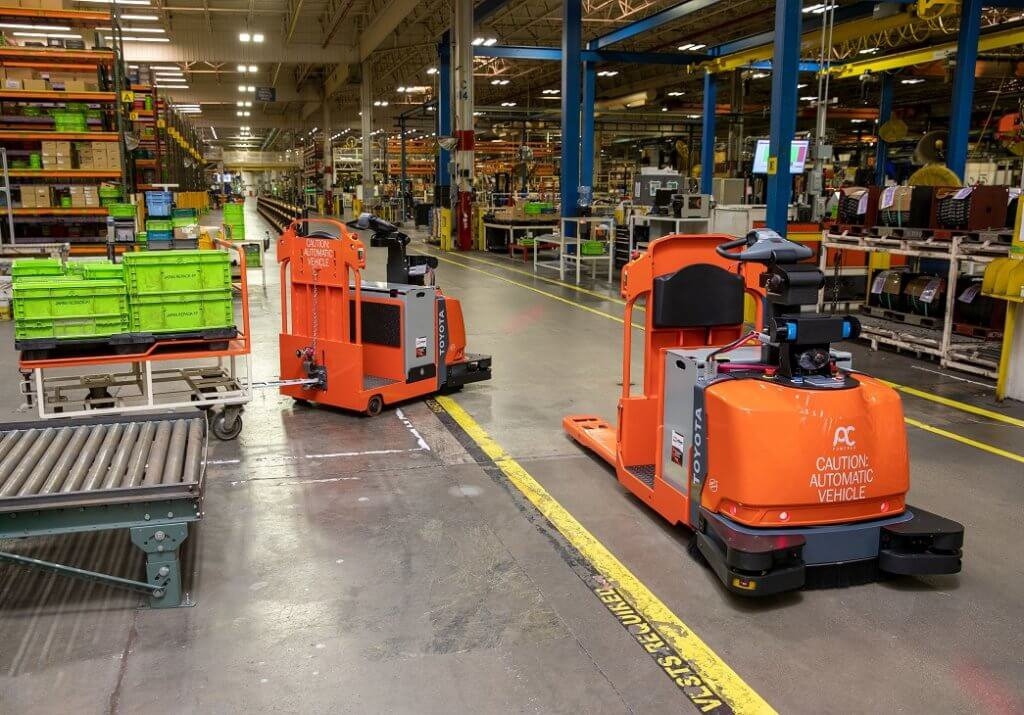
Automated forklifts are driverless industrial vehicles that use sensors, cameras, and navigation software to move, lift, and transport materials without human operators. These intelligent machines are revolutionizing warehouse operations by improving efficiency, reducing labor costs, and enhancing safety in logistics and manufacturing environments.
Understanding Automated Forklifts: The Basics
Also known as autonomous forklifts or robotic forklifts, these machines rely on advanced technologies such as LiDAR, cameras, magnetic tape, or QR codes for guidance. They operate within predefined pathways or learn routes through simultaneous localization and mapping (SLAM) algorithms. Unlike traditional forklifts requiring skilled drivers, automated versions can run 24/7, optimizing material flow in distribution centers, factories, and cold storage facilities.
Key Components and Technologies
Automated forklifts integrate multiple systems to function safely and efficiently. Core components include navigation sensors, obstacle detection modules, onboard computers, and power sources like lithium-ion batteries. The Liftron DL SERIES exemplifies modern automation with its built-in collision avoidance, automatic load detection, and seamless integration with warehouse management systems.
Types of Automated Forklifts
There are several categories designed for specific tasks:
- Automated Guided Vehicles (AGVs) – Follow fixed magnetic or optical paths for predictable routes.
- Autonomous Mobile Robots (AMRs) – Navigate dynamically using SLAM, adapting to changing environments.
- Unit Load Carriers – Transport pallets, bins, or racks over short distances.
- Reach Trucks – Automated versions for high-rack picking and vertical stacking.
How Automated Forklifts Improve Warehouse Operations
Implementing automated forklifts unlocks significant operational advantages. According to industry studies, facilities using autonomous material handling experience productivity gains of 20–40% and reduced workplace injuries by up to 50%.
| Metric | Manual Forklift | Automated Forklift |
|---|---|---|
| Labor requirement | 1 operator per vehicle | Zero operators |
| Shift coverage | 8–10 hours | 24 hours with battery swap |
| Average error rate | 2–5% | <0.5% |
| Maintenance cost per hour | Higher due to human wear | Predictable, lower |
Enhanced Safety and Compliance
Automated forklifts significantly reduce accidents caused by operator fatigue, distracted driving, or improper load handling. They feature emergency stop functions, speed control in pedestrian zones, and precise movement protocols. This aligns with OSHA regulations and reduces insurance premiums for warehouses.
Integration with Smart Warehousing
These machines connect seamlessly with warehouse execution systems (WES), enterprise resource planning (ERP) software, and Internet of Things (IoT) platforms. For example, when an order is placed, the system can automatically dispatch an automated forklift to retrieve inventory from storage and deliver it to the shipping area. Liftron Material Handling offers scalable automation solutions that integrate with existing infrastructure, making the transition to autonomous operations smooth and cost-effective.
Cost Considerations and ROI
While upfront costs for automated forklifts are higher than manual units, the total cost of ownership often favors automation. Key financial factors include:
- Elimination of wages, benefits, and overtime for forklift operators
- Reduced product damage and inventory loss
- Lower energy consumption with lithium-ion battery efficiency
- Decreased maintenance expenses through predictive diagnostics
Typical payback periods range from 12 to 24 months for high-throughput facilities. Systems like the Liftron DL SERIES are designed for rapid deployments, often paying for themselves within two years through labor savings alone.
Applications Across Industries
Automated forklifts are versatile and find use in many sectors:
- E-commerce fulfillment – Sort and transport packages in high-speed sortation centers.
- Automotive manufacturing – Deliver parts just-in-time to assembly lines.
- Pharmaceuticals – Maintain strict inventory accuracy in cleanroom environments.
- Cold storage – Operate in freezing temperatures where human workers face challenges.
- Retail distribution – Move pallets between receiving, storage, and shipping docks.
Choosing the Right Automated Forklift
When evaluating automation solutions, consider factors such as payload capacity (typically 1,000–5,000 kg), lift height requirements, floor space constraints, and throughput volumes. Liftron Material Handling provides consultation to match specific operational needs with appropriate automated models, ensuring successful implementation without over-investment.
Implementation Best Practices
To maximize ROI from automated forklifts:
- Conduct a thorough facility layout analysis for robot route optimization.
- Train existing staff on system monitoring and basic troubleshooting.
- Implement phased rollout to test performance before scaling.
- Use simulation software to model material flow improvements.
Future Trends in Automated Forklift Technology
The market for automated forklifts is expected to grow at a CAGR of 15% through 2030. Emerging trends include:
- 5G connectivity for real-time fleet management.
- AI-powered predictive maintenance to minimize downtime.
- Mixed fleets combining manual and autonomous trucks for flexibility.
- Battery-as-a-Service models to reduce upfront costs.
As automation becomes more accessible, even small and medium-sized warehouses can benefit from deploying one or two automated units for repetitive tasks, freeing human workers for higher-value activities.
Conclusion
Automated forklifts represent a pivotal evolution in material handling, offering quantifiable improvements in productivity, safety, and cost management. By leveraging advanced navigation, robust power systems, and intelligent software, these machines are essential for modern supply chains. Whether you are upgrading an existing facility or building a greenfield operation, exploring automated forklifts from Liftron Material Handling is a strategic move toward future-ready logistics.
Add a review
Your email address will not be published. Required fields are marked *