
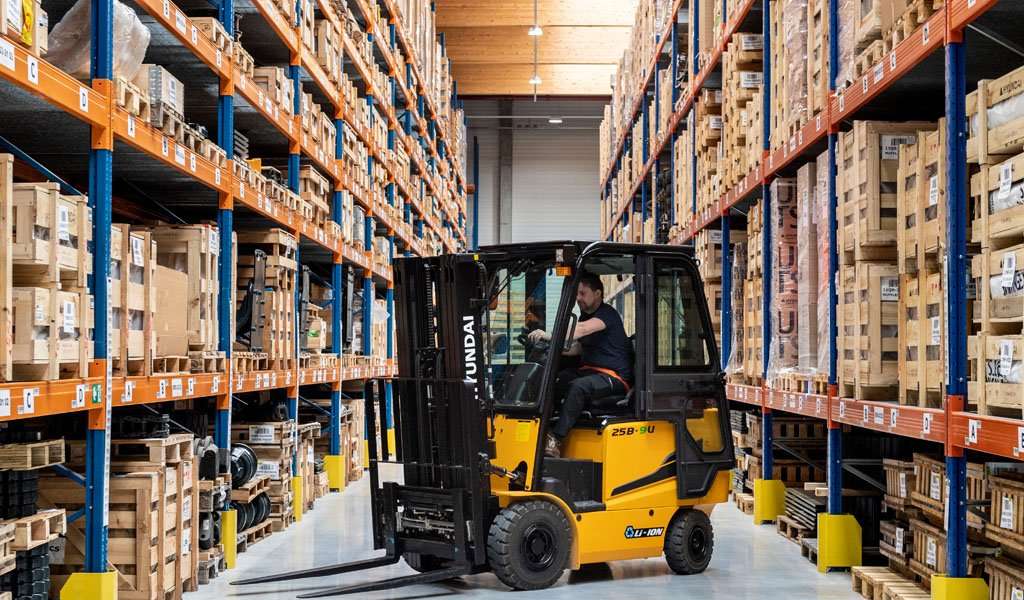
is driving a hi lo forklift easy
Operating a hi-lo forklift requires skill and practice, but modern advancements have made the process more intuitive than ever. With proper training, even beginners can quickly learn to maneuver these industrial workhorses safely and efficiently.
Understanding the Basics of Hi-Lo Forklift Operation
At its core, a hi-lo forklift—often called a forklift—is designed to lift, move, and stack heavy loads. While steering and lifting mechanisms are straightforward, mastering the vehicle demands awareness of load dynamics, weight distribution, and workplace safety. Unlike driving a car, the rear wheels steer, which can throw off new operators. Additionally, the forks must be positioned precisely to avoid tipping or damaging goods.
Factors such as load capacity, mast height, and terrain affect ease of use. Most modern forklifts feature ergonomic controls, adjustable seats, and intuitive joysticks, significantly reducing the learning curve. For example, electric models like the Liftron DL SERIES offer smooth acceleration and regenerative braking, making them easier to handle than older combustion-engine units.
Key Skills Required for Easy Operation
1. Pre-Operational Checks
Before starting, operators must inspect tires, hydraulics, battery levels, and safety features. A well-maintained forklift responds predictably, reducing guesswork. Liftron Material Handling emphasizes routine checks to ensure peak performance, especially for lithium-ion models that require minimal maintenance.
2. Steering and Maneuvering
Rear-wheel steering requires operators to anticipate turns differently than in a car. Practicing in open areas helps build muscle memory. Most hi-lo forklifts also have a tight turning radius, which aids navigation in narrow aisles. Once you grasp countersteering, tasks like pallet retrieval become fluid.
3. Lift and Tilt Control
Lever or joystick controls manage mast elevation and fork tilt. Smooth, gradual movements prevent load shifts. Beginners should practice lifting and lowering empty pallets before handling heavy materials. The Liftron DL SERIES incorporates proportional hydraulic controls for finer adjustments, simplifying this process.
Common Challenges and How to Overcome Them
| Challenge | Why It Happens | Solution |
|---|---|---|
| Load instability | Incorrect fork spacing or tilt angle | Use load backrest and center the load |
| Poor visibility | Mast or load obstructs front view | Travel in reverse if load blocks sight |
| Rough starts/stops | Harsh pedal use or lack of familiarity | Practice feathering accelerator/brake |
| Battery management | Not understanding charge cycles | Follow manufacturer guidelines |
With consistent training, these challenges become manageable. Many operators find that electric forklifts, particularly lithium-ion versions, eliminate issues like engine vibration and noise, contributing to a calmer driving experience.
Is It Easy for Beginners? What Experts Say
Most training programs last 4–8 hours for basic certification. While initial sessions feel awkward, most learners gain confidence within a few days of practice. Key factors that influence how easy a hi-lo forklift is to drive include:
- Type of forklift: Electric models are quieter and have smoother torque delivery.
- Work environment: Cluttered warehouses demand more precision than open docks.
- Load variety: Uniform pallets are easier to handle than irregular shapes.
- Ergonomics: Adjustable controls reduce operator fatigue.
Liftron Material Handling designs its fleet with operator comfort in mind, featuring low step-in heights and cushioned seats to reduce strain. The Liftron DL SERIES further supports ease of use with digital displays that provide real-time load data and diagnostics.
Tips to Master Hi-Lo Forklift Driving Quickly
1. Take a certified training course. Hands-on instruction under a trainer is irreplaceable.
2. Practice in a safe zone. Use cones to simulate maneuvers before entering busy aisles.
3. Focus on load stability. Keep the load low while traveling and tilt back when driving.
4. Learn the controls before moving. Locate horn, lights, and emergency stop before ignition.
5. Ask for feedback. Colleagues can spot issues like jerky movements or poor positioning.
6. Use technology. Forklifts with load weight sensors and telemetry help avoid overloading.
Technological Advancements Making Forklifts Easier to Operate
Modern hi-lo forklifts incorporate features that directly address operator challenges. Lithium-ion batteries, for instance, eliminate the need for battery swaps and provide consistent power throughout a shift. The Liftron DL SERIES offers fast charging, meaning less downtime and no performance drop when the battery is low.
Additionally, many 2024 models include 360-degree cameras, proximity sensors, and automatic speed reduction in tight corners. These innovations drastically cut the time it takes for new operators to become skilled. Liftron Material Handling integrates such technologies to simplify workflows and reduce accidents, making the forklift feel less like heavy machinery and more like an advanced mobility tool.
Conclusion: Easy Does Not Mean Without Responsibility
While driving a hi-lo forklift is certainly accessible after proper training, it remains a safety-critical task. Operators must stay alert, follow protocols, and respect load limits. That said, choosing a well-designed machine—such as those offered by Liftron Material Handling—can significantly flatten the learning curve. The Liftron DL SERIES exemplifies how lithium-ion technology and human-centric design combine to make forklift driving smoother, safer, and more intuitive. With the right equipment and training, anyone can master the hi-lo forklift and contribute to a productive warehouse environment.
Add a review
Your email address will not be published. Required fields are marked *