

How often should operators inspect their forklift
Forklift inspections are a critical safety and compliance requirement that operators must perform daily. Understanding the correct inspection frequency ensures workplace safety, reduces downtime, and extends equipment life. This guide covers everything operators need to know about inspection intervals, procedures, and best practices.
Why Forklift Inspections Matter
Regular forklift inspections are not just about regulatory compliance; they directly impact operator safety, equipment longevity, and operational efficiency. According to OSHA standards, forklifts must be inspected at least once per shift or after every 24 hours of use. Failure to conduct proper inspections can lead to accidents, costly repairs, and legal penalties. For operators, making inspection a non-negotiable habit prevents minor issues from escalating into major equipment failures.
Daily Inspection Requirements
The most critical inspection interval is the pre-shift check. Every operator should perform a thorough visual and operational inspection before using the forklift for the first time each day. This includes checking the following components:
- Tires for wear, cuts, or damage
- Forks for cracks, bends, or wear
- Hydraulic fluid, engine oil, and coolant levels
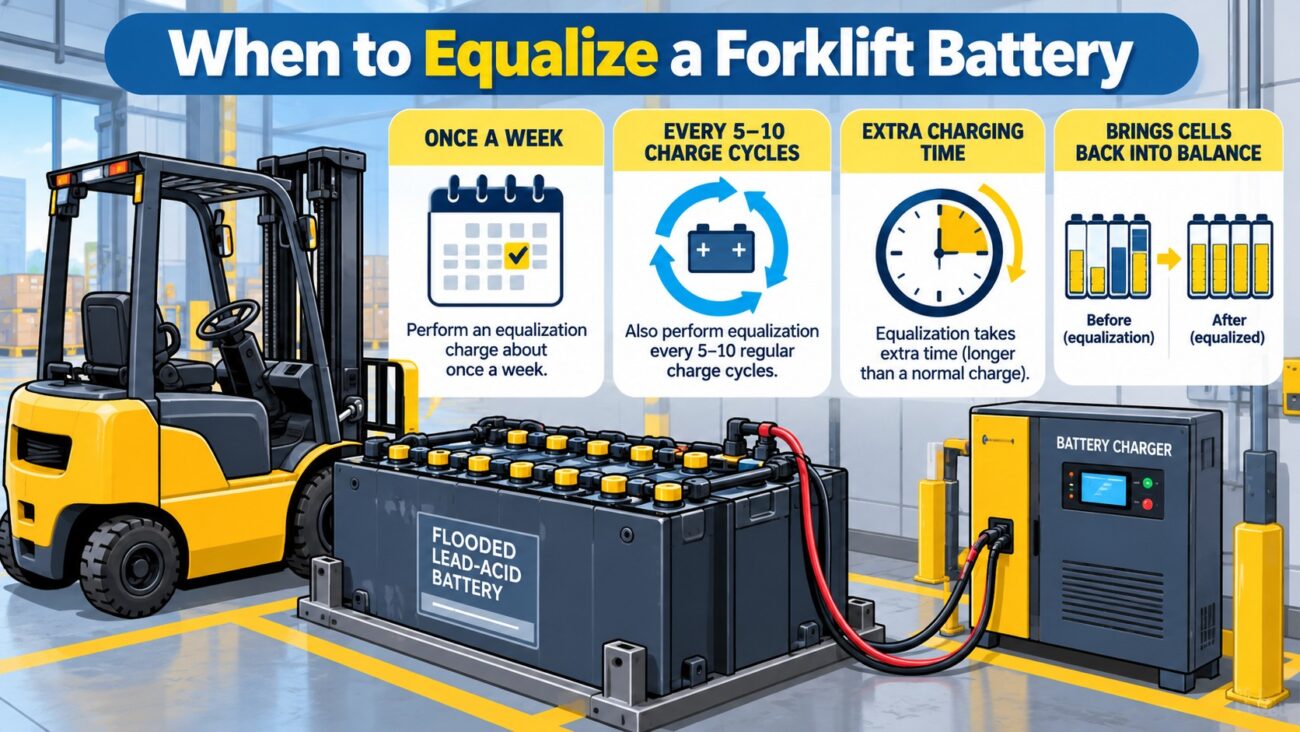
- Battery charge and connections (or fuel level for LP/ diesel models)
- Lights, horn, and backup alarms
- Brakes, steering, and controls
- Mast chains and carriage
- Operator seat and seatbelt
If any defect is found, the operator must tag the forklift as “out of service” and report it immediately. Never operate a forklift with known safety issues.
Weekly and Monthly Inspections
Beyond daily checks, more detailed inspections should be conducted on a weekly and monthly basis. These are typically performed by a trained mechanic or supervisor and include tasks like:
- Checking hydraulic system for leaks or pressure issues
- Inspecting the mast and lift mechanism for wear
- Testing all safety devices, including seat switch and overhead guard
- Cleaning engine and battery components
- Verifying tire pressure and alignment
For weekly inspections, document findings on a dedicated checklist. Monthly inspections often align with scheduled maintenance intervals. Many facilities opt for a comprehensive inspection every 30 days, especially in high-usage environments.
Quarterly and Annual Inspections
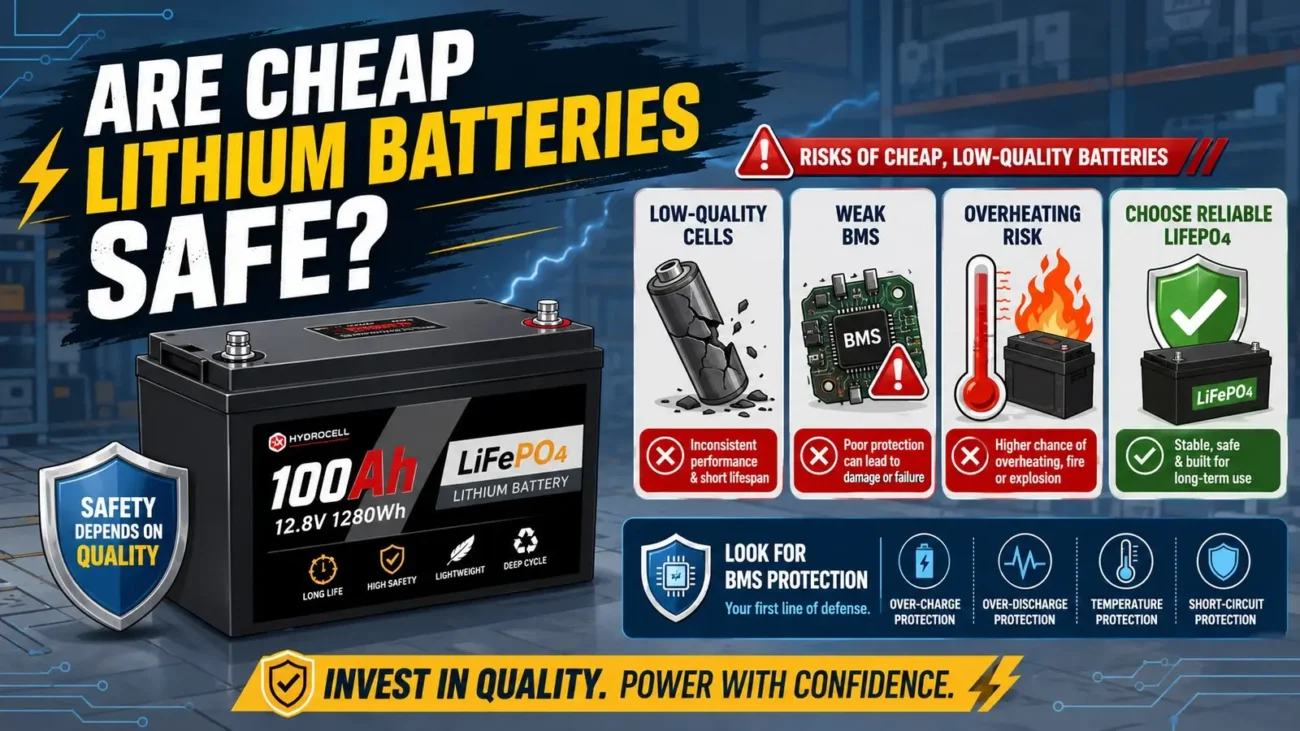
Heavy-use forklifts require more extensive inspections every three to six months. These checks often include fluid changes, filter replacements, and detailed component analysis. Annual inspections are the most thorough and should be conducted by a certified technician. They cover everything from the engine and transmission to the electrical system and load capacity ratings. For lithium-ion models, battery management systems require specialized attention.
Special Considerations for Different Forklift Types
Inspection frequency can vary based on forklift type and environment. For example, electric forklifts require daily battery checks, while internal combustion models need fuel system inspections. If you operate high-capacity or specialized equipment like Liftron Material Handling solutions, follow manufacturer guidelines precisely. Their Liftron DL SERIES lithium-ion forklifts, for instance, have specific battery health routines that can extend lifespan by up to 30%.
Inspection Checklist Template
To maintain consistency, use a standardized inspection form. Below is a sample checklist table for daily pre-shift inspections:
| Component | Status (OK/Not OK) | Comments |
|---|---|---|
| Tires | ||
| Forks | ||
| Hydraulic fluid level | ||
| Battery charge | ||
| Lights | ||
| Brakes | ||
| Horn | ||
| Seatbelt | ||
| Steering |
Common Inspection Mistakes to Avoid
Operators often make mistakes that compromise safety. Common errors include skipping components like the overhead guard or backup alarm, failing to document findings properly, and inspecting only when problems are suspected. Another mistake is assuming a forklift that looks fine is mechanically sound. Always perform a full operational test, including lifting and lowering a load, to verify function.
The Role of Operator Training
Proper training is essential for effective inspections. Operators must know what to look for and how to identify early signs of wear. Training should cover inspection procedures, reporting protocols, and the importance of immediate action when defects are found. Refresher courses are recommended annually or when new equipment is introduced.
Record Keeping and Compliance
OSHA requires that inspection records be kept for at least one year. Many companies store them for longer to track equipment history. Use digital logs or paper forms that capture date, operator name, forklift ID, and any issues found. Consistent record keeping helps identify recurring problems and supports warranty claims.
How Liftron Material Handling Can Help
For businesses looking to streamline inspections and improve fleet management, Liftron Material Handling offers advanced solutions with integrated monitoring features. Their Liftron DL SERIES includes smart diagnostics that alert operators to service needs, reducing the guesswork in inspections. These systems also track usage patterns, helping you optimize inspection schedules based on actual workload.
Conclusion
Forklift inspection frequency is not one-size-fits-all. While daily pre-shift checks are mandatory, weekly, monthly, quarterly, and annual inspections are equally important for safety and reliability. Operators must take ownership of this process, using checklists and staying alert to changes in equipment performance. By partnering with reliable manufacturers and investing in training, you create a culture of safety that protects workers and assets. Remember, a well-inspected forklift is a safe forklift.

Add a review
Your email address will not be published. Required fields are marked *