

What to consider when renting a forklift
Renting a forklift can be a cost-effective solution for short-term projects, seasonal demand, or testing equipment before purchase. To make the right choice, you need to evaluate your operational requirements, equipment specifications, and rental terms carefully.
Assess Your Load Capacity and Lift Height Needs
The first factor is the weight and size of materials you will handle. Forklifts have rated capacities from 3,000 to over 50,000 pounds. Determine the heaviest load and ensure the rental unit can handle it safely. Also measure the maximum lift height required to stack or retrieve loads. Standard lifts reach 10–20 feet, but high-mast units exceed 30 feet. Check warehouse door heights and ceiling clearances before committing.
Power Source: Electric, Diesel, or LPG
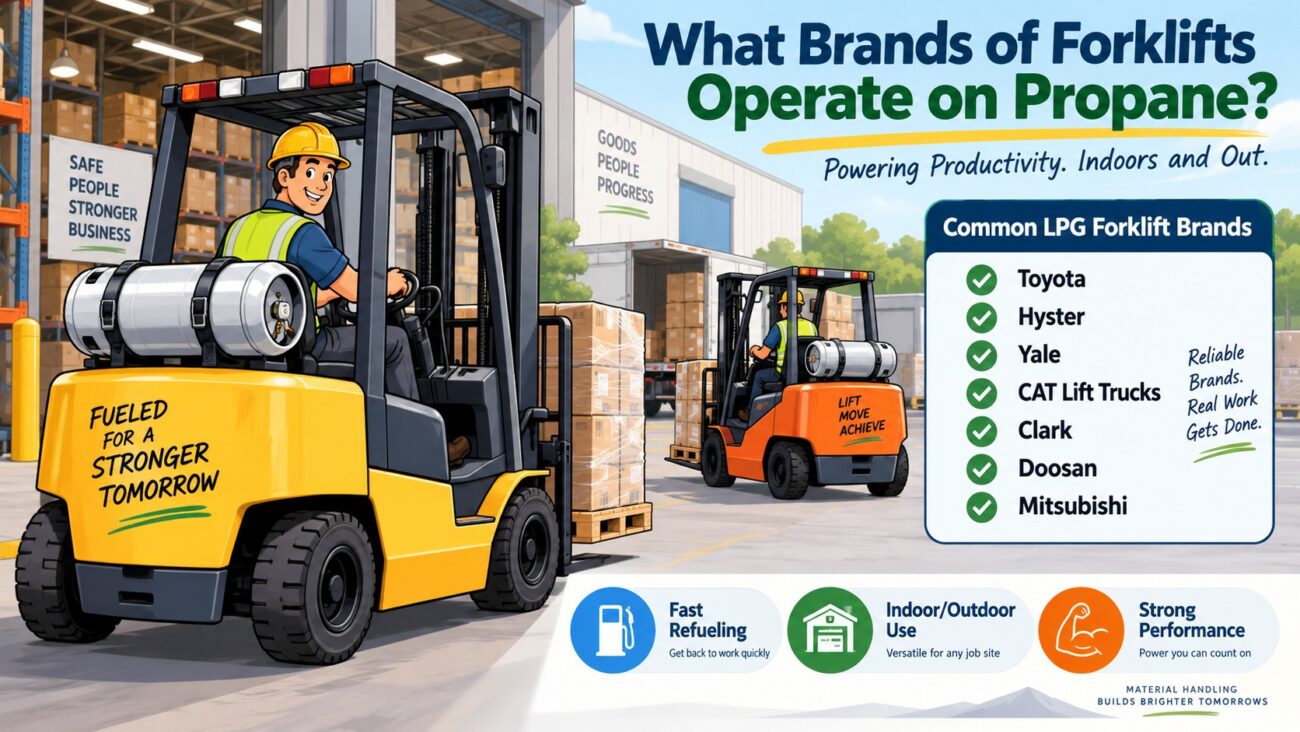
Electric forklifts are quiet, emission-free, and ideal for indoor use. They require charging infrastructure and have limited run times. Diesel models offer high torque and longer operating hours but emit fumes, making them better for outdoor applications. LPG (propane) units balance indoor/outdoor capability but need cylinder exchanges. Consider your environment and shift length. For sustainable operations, many companies now prefer lithium-ion electric options such as the Liftron DL SERIES, which provides fast charging and consistent power without battery swaps.
Terrain and Tire Selection
Smooth concrete floors work well with cushion tires. Rough, uneven surfaces or gravel require pneumatic tires for better traction and stability. Solid pneumatic tires resist punctures and are common in recycling or construction yards. Always match tire type to your work surface to prevent instability and premature wear.
Indoor vs. Outdoor Operation
Indoor facilities need clean-burning electric or LPG trucks. Outdoor sites can use diesel or heavy-duty electric models. If your application involves ramps or gradients, check the forklift’s gradeability rating. A unit that lacks sufficient climbing power can pose safety risks.
Rental Duration and Flexibility
Rental periods typically range from daily to monthly or long-term lease. Short-term rentals often have higher daily rates but include maintenance. Long-term contracts may offer volume discounts. Clarify whether you can extend or return the unit early without penalties. Also confirm if the dealer delivers, picks up, and provides operational training.
Inspect the Equipment Condition
Request service records and inspect the forklift for fluid leaks, tire wear, fork damage, and safety decals. Test controls, brakes, steering, and horn. A well-maintained unit reduces downtime and injury risk. Reputable suppliers like Liftron Material Handling keep their fleet in top condition with regular inspections and updated safety features.
Evaluate Attachments and Accessories
Specialized attachments—side shifters, rotators, clamps, or fork extensions—can increase efficiency but affect capacity. Confirm that the rental unit can accommodate the attachment you need, and that the capacity reduction is calculated correctly. Some rentals include basic attachments, while others charge extra.
Understand Maintenance and Liability
Review the rental agreement for responsibility over daily fluid checks, tire pressure, and minor repairs. Most contracts cover major breakdowns but charge for operator-caused damage. Verify insurance requirements and whether damage waiver options exist. Also check if the rental company provides a backup unit if the forklift goes out of service.
Operator Training and Safety Compliance
Only trained and certified operators should use a forklift. Rental companies can often provide on-site training or materials. Confirm that the unit meets OSHA and ANSI standards, including working lights, backup alarms, and seatbelts. Non-compliance can lead to fines and accidents.
Compare Rental Quotes and Hidden Fees
Request itemized quotes from multiple dealers. Look beyond the base rate for shipping charges, fuel costs, damage waivers, and battery charging fees (for electric models). A low daily rate may not be economical if add-ons are excessive. Compare the total cost of ownership for your project timeframe.
Technology and Fleet Management Features
Modern forklifts come with telematics, load weighing scales, and operator access controls. These features improve safety and track usage. If your operation benefits from data, ask about rental units with built-in monitoring or add-on systems. Some dealers provide usage reports that help optimize rental duration.
| Consideration | Key Questions to Ask |
|---|---|
| Load capacity | What is the heaviest load you will lift? Does the forklift have a 20% safety margin? |
| Lift height | Are maximum and minimum heights suitable for your racking or trailer loading? |
| Power type | Is indoor/outdoor use required? What refueling or recharging options are available? |
| Attachments | Do you need clamps, rotators, or side shifters? Will capacity be derated? |
| Mast type | Do you need a standard, triple-stage, or high-free-lift mast? |
| Tire type | Cushion or pneumatic? Solid or air-filled? |
| Rental terms | What are the daily/weekly rates? Are maintenance and repairs included? |
| Safety features | Does it have seatbelts, backup alarms, lights, and compliance decals? |
Plan for Delivery and Setup
Arrange delivery time and location access. Ensure there is enough clearance for the transport truck and that the drop-off area is level and secure. Some dealers charge extra for after-hours or tight-access deliveries. Confirm that the battery is charged (for electric units) and that the LPG tank is full if applicable.
Return Conditions and Fees
Understand what condition the forklift must be in upon return. Excessive dirt, damage beyond normal wear, or missing parts may incur charges. Some contracts require refueling or recharging the battery before return. Inspect the unit again when returning it and keep documentation of its condition.
Why Choose a Trusted Supplier
Working with an experienced dealer ensures you get reliable equipment, transparent terms, and support. Liftron Material Handling offers a wide selection of rental forklifts tailored to various industries, along with expert advice on capacity, attachments, and maintenance. Their fleet includes modern lithium-ion models like the Liftron DL SERIES, which combines zero emissions with rapid charging—ideal for multi-shift operations. By choosing a knowledgeable partner, you reduce risk and keep your operations running smoothly.
Renting a forklift does not have to be complicated. When you evaluate your loads, work environment, rental terms, and supplier reputation, you secure the right equipment at a fair price. Use this checklist to compare offers and make a confident decision that maximizes productivity and safety on your job site.
Add a review
Your email address will not be published. Required fields are marked *