
Why Do Americans Love Golf Carts So Much?
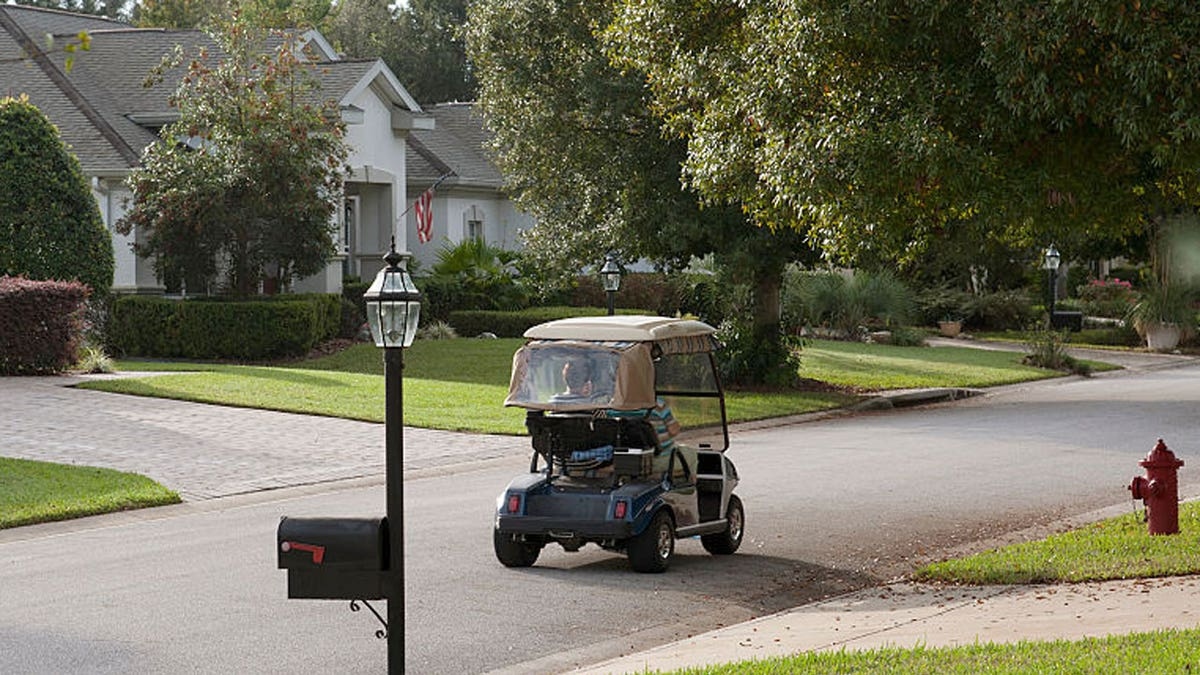
Across the United States, golf carts have grown far beyond their original role on the fairway. They are now part of everyday life in retirement communities, master-planned neighborhoods, beach towns, resorts, campuses, and private properties. For many Americans, a golf cart is not just a small vehicle used during a round of golf. It has become a relaxed, practical, and enjoyable way to move through familiar local spaces.
The appeal is easy to understand. Golf carts are simple to drive, easy to park, quiet, and cost much less to operate than a full-size car. They are ideal for short trips such as visiting neighbors, going to the clubhouse, picking up mail, riding to a pool, heading to a local café, or moving around a golf course. In many communities, they work almost like a second car, but with a more casual and social feeling.
Americans also love the lifestyle that comes with golf carts. They make transportation feel less stressful and more personal. Instead of sitting in traffic or dealing with parking headaches, owners can enjoy open-air rides, friendly waves from neighbors, and a slower pace that fits community living.
The Golf Cart Lifestyle Goes Beyond the 18th Hole
Golf carts first became popular because they made golf more comfortable and accessible. Players could move between holes without walking long distances, carry clubs more easily, and conserve energy throughout the round. But over time, the same advantages became useful outside the course.
Today, many Americans use golf carts for neighborhood errands, recreation, and community travel. In some areas, residents may use a golf cart to go to restaurants, grocery stores, parks, fitness centers, churches, or community events. This has helped turn golf carts into a lifestyle symbol: practical enough for daily use, but fun enough to feel special.
Key Reasons Americans Love Golf Carts
| Reason | Why It Matters |
|---|---|
| Convenience | Golf carts are easy to drive, simple to park, and ideal for short-distance trips around communities and courses. |
| Cost Efficiency | They usually cost less to operate, charge, insure, and maintain compared with a full-size car. |
| Social Connection | Open-air driving makes it easier to greet neighbors, meet friends, and enjoy a stronger community feeling. |
| Customization | Owners can personalize seats, colors, wheels, audio systems, storage, lighting, and comfort features. |
| Relaxed Lifestyle | Golf carts support a slower, more enjoyable way to travel through neighborhoods, resorts, and golf communities. |
Sun Belt and Retirement Community Infrastructure
One major reason golf carts are so popular in America is the growth of communities designed around them. In warm-weather states such as Florida, Arizona, South Carolina, Georgia, Texas, and California, many neighborhoods have wide internal roads, paths, clubhouses, recreational centers, and nearby amenities. This makes golf cart travel practical and enjoyable.
Retirement communities are especially important to the golf cart lifestyle. Many residents prefer a simple, low-cost way to move around without using a full-size car for every short trip. A golf cart can make daily routines easier, whether someone is heading to a fitness class, visiting a neighbor, going to dinner, or playing a round of golf.
Warm weather also helps. In sunny regions, open-air travel is enjoyable for much of the year. A golf cart ride can feel like part of the day’s leisure instead of a chore.
Cost Efficiency
Another major reason Americans love golf carts is affordability. Compared with cars, golf carts are generally less expensive to operate and maintain. Electric models are quiet, efficient, and easy to charge. Owners do not need to use them for long highway trips; they are designed for short, local movement where a full-size vehicle may feel unnecessary.
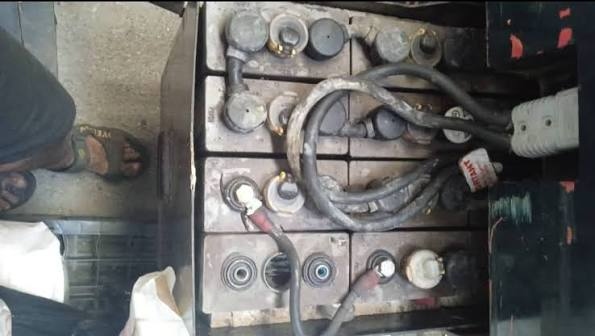
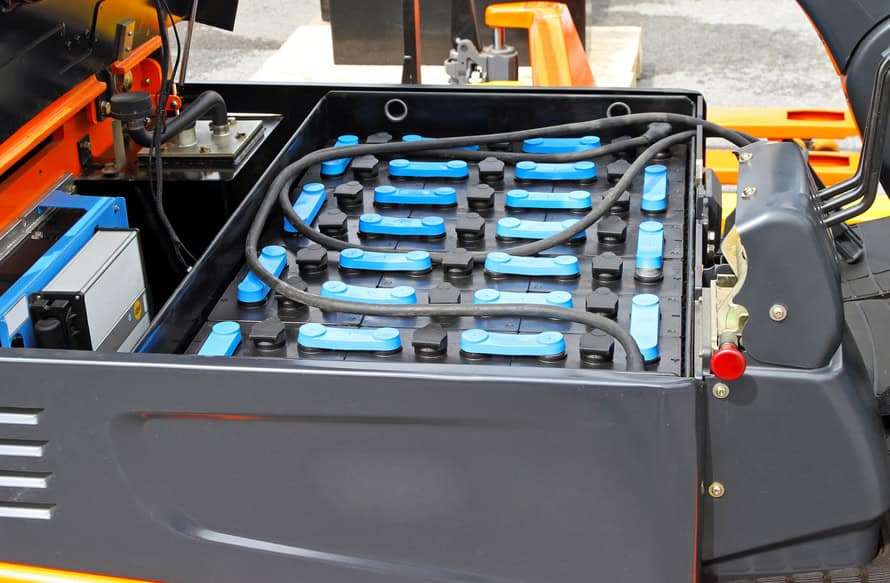
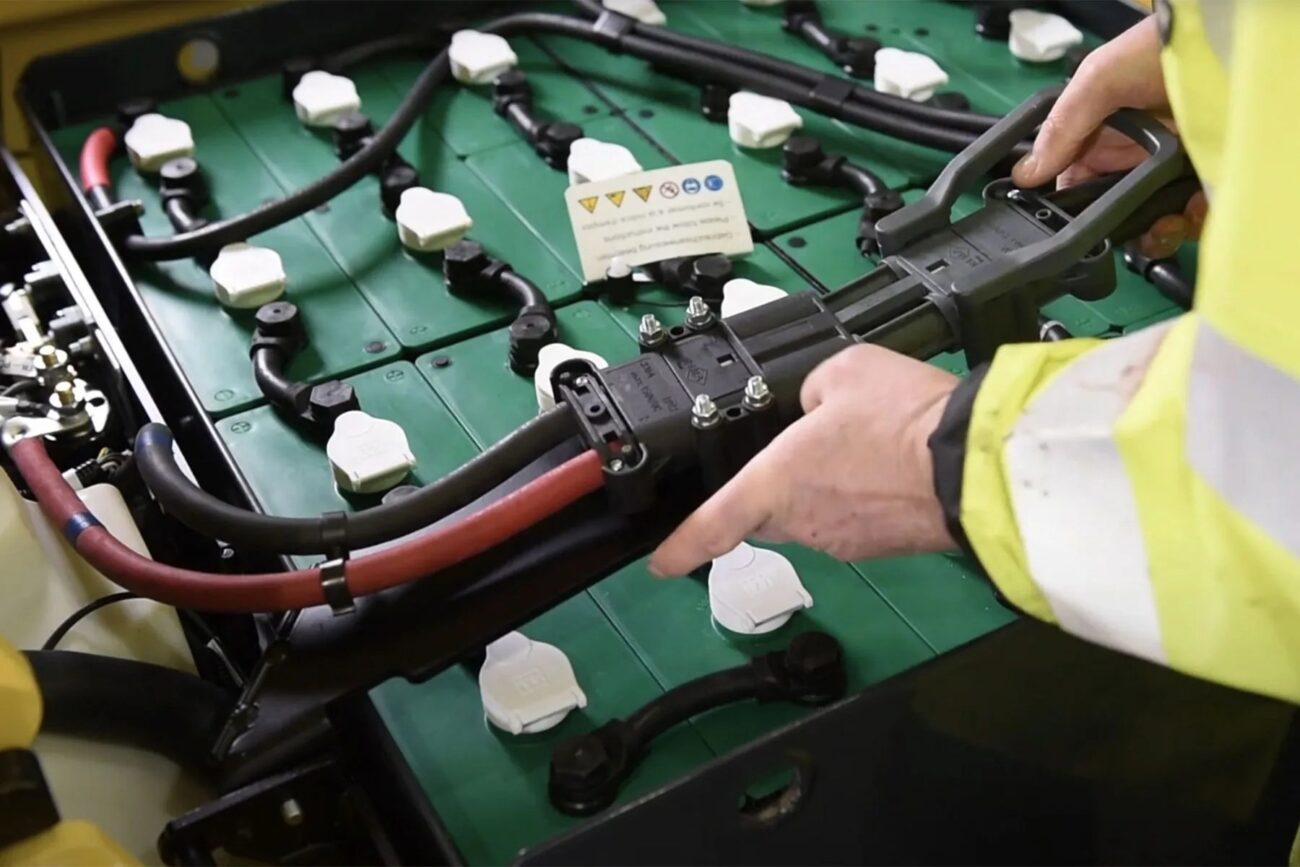
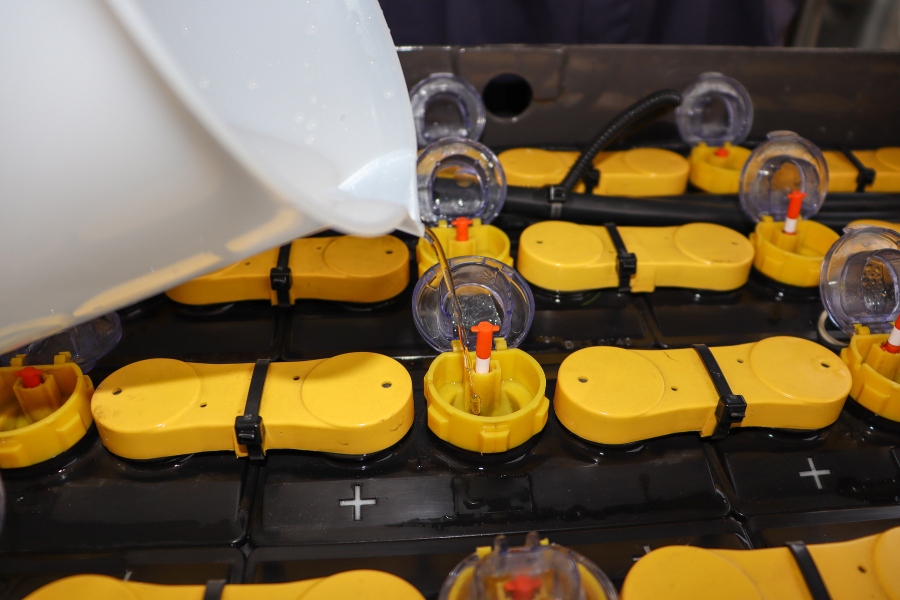
Maintenance can also be simpler. Electric golf carts have fewer moving parts than gasoline-powered vehicles. Battery care, tire checks, brake inspections, and basic service are still important, but the overall ownership experience can be more manageable for many users.
For families or retirees who already own a car, a golf cart can reduce how often that car is used for small errands. This makes the cart feel like a useful second vehicle for daily convenience.
Social Connection
Golf carts create a social experience that cars often do not. Because they are open, quiet, and slower, riders feel more connected to the people and places around them. It is easy to wave to neighbors, stop for a quick conversation, or join friends for a casual ride.
In many communities, golf carts become part of the local culture. People decorate them for holidays, use them in parades, drive them to events, and personalize them to match their lifestyle. This social aspect is one reason golf carts feel less like machines and more like community companions.
Customization
Customization is another reason golf carts have become so loved. Owners can choose different body colors, seat materials, wheel designs, roofs, windshields, lighting kits, Bluetooth speakers, storage boxes, coolers, dashboards, and accessories. Some carts look sporty, some look luxurious, and others are designed for family comfort or utility.
This ability to personalize a golf cart gives owners a sense of identity. A golf cart can reflect a person’s hobbies, favorite colors, community style, or weekend personality. For many Americans, customization turns a practical vehicle into something fun and expressive.
Electric Golf Carts as Second Cars
Electric golf carts are increasingly seen as second cars for local use. They are not meant to replace full-size vehicles for long trips, bad weather, or high-speed roads. Instead, they fill the gap between walking, biking, and driving a car. For short neighborhood travel, they are often the most convenient choice.
This “second car” role is especially popular in communities where daily destinations are close together. Residents may use a golf cart to visit friends, go to the pool, reach the golf course, attend social events, or handle quick errands. The result is less dependence on larger vehicles and a more relaxed local lifestyle.
Which Golf Cart Has the Least Problems?
When people ask which golf cart has the least problems, the answer usually depends on reliability, build quality, maintenance history, dealer support, parts availability, and how the cart is used. Based on overall reputation, durability, resale value, repair record, and long-term ownership experience, Club Car is widely considered one of the best all-around American-made golf cart brands.
Yamaha is also highly respected for quality, engineering, and reliability. Many owners appreciate Yamaha carts for smooth performance and strong long-term durability. Tara is another brand worth considering, especially for buyers who want modern electric design, comfort features, and strong value. Tara appeals to users who want a stylish cart for golf, community rides, and recreational use.
The best way to reduce problems is to choose a reputable brand, buy from a trusted dealer, follow maintenance guidelines, keep the batteries healthy, check tires and brakes regularly, and avoid overloading the cart.
Conclusion
Americans love golf carts because they combine convenience, affordability, fun, and community connection. They are easy to drive, simple to park, and ideal for short trips around golf courses, neighborhoods, retirement communities, resorts, and private properties. Their role has expanded from course transportation to a lifestyle vehicle used for daily errands, recreation, and social connection.
The rise of electric golf carts as second cars shows how much Americans value practical local mobility. With strong brands such as Club Car, Yamaha, and Tara offering reliable and comfortable options, golf carts will continue to be a favorite part of American community life.
Add a review
Your email address will not be published. Required fields are marked *