
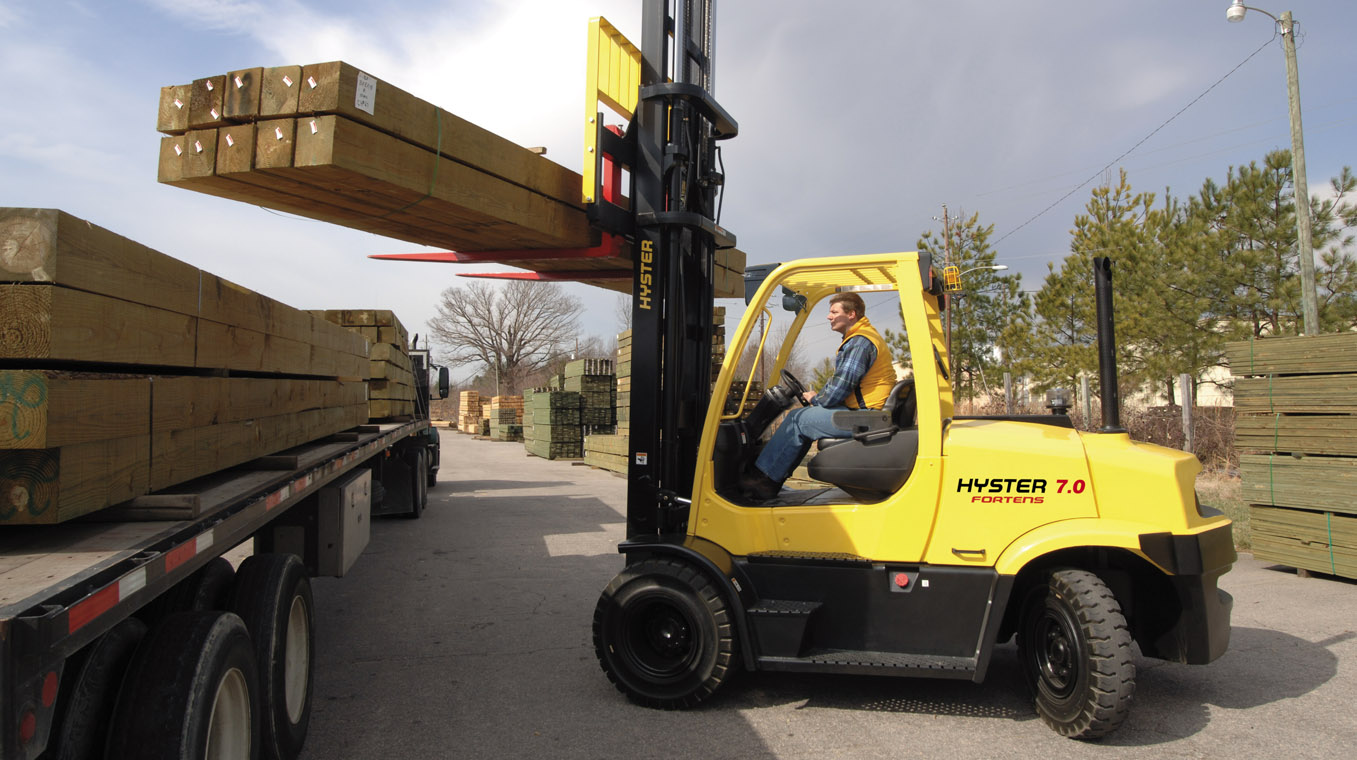
How to Start a Hyster Forklift Safely: Step-by-Step Guide
Starting a Hyster forklift safely requires checking fuel, brakes, controls, seat position, seatbelt, and ignition before operating.
Learning how to start a Hyster forklift is an important part of safe warehouse, yard, and material handling operations. Hyster forklifts are widely used in logistics, manufacturing, construction, distribution centers, ports, and storage facilities because they are known for durability, strong lifting capacity, and practical industrial performance. However, before operating any forklift, the driver must be properly trained, authorized, and familiar with the specific model. Forklifts can be dangerous if started or operated incorrectly, so safety checks should always come before turning the key.
This guide explains the basic starting procedure for a Hyster forklift, including propane, diesel, and general internal combustion models. It also covers common reasons a Hyster forklift may not start, whether Hyster forklifts are good, and why lithium battery forklifts are becoming more popular in 2026. If you operate forklifts regularly, understanding both traditional fuel-powered forklifts and modern lithium battery forklifts can help improve efficiency, reduce downtime, and support safer daily operations.
Before Starting a Hyster Forklift
Before you start a Hyster forklift, perform a basic pre-operation inspection. Walk around the truck and look for visible damage, fluid leaks, tire problems, loose parts, damaged forks, broken lights, or warning labels that are missing or unreadable. Check that the forks are low to the ground and that the area around the forklift is clear of people, pallets, tools, and obstacles.
If the forklift is propane-powered, inspect the propane tank to make sure it is mounted securely. Check the fuel hose and connection for visible damage. If the forklift is diesel-powered, confirm that there is enough fuel and check for any leaks. If it is electric, check the battery charge level, connector condition, and dashboard warnings before operation.
Step-by-Step: How to Start a Hyster Forklift
The basic starting process for many Hyster forklifts begins with safe mounting. Use the grab handle and steps when entering the operator compartment. Never jump onto the forklift. Sit fully in the operator seat, adjust your posture, and fasten the seatbelt. Many forklifts have a seat safety sensor, so the truck may not start or move unless the operator is seated correctly.
Next, make sure the directional control lever is in neutral. The forklift should not be set to forward or reverse when starting. Confirm that the control levers are also in their neutral positions. Then engage the parking brake. On many Hyster models, the parking brake lever is located near the operator’s left side, but the exact location may vary by model.
For a propane Hyster forklift, open the propane tank valve by turning it counter-clockwise. Do this slowly and carefully. If you smell gas or suspect a leak, do not start the forklift. Shut off the valve, move away from ignition sources, and report the problem according to your workplace safety procedure.
If the forklift has a red emergency power disconnect button, make sure it is in the correct operating position. Some models require the button to be twisted and pulled up before the ignition system is active. After that, depress the brake pedal. Holding the brake pedal helps ensure the forklift remains stationary during startup.
Now turn the key clockwise to start the engine. Once the engine starts, release the key and allow the forklift to idle briefly. Check the dashboard for warning lights, listen for unusual sounds, and make sure the engine runs smoothly. Do not drive immediately if any warning lights remain on or if the forklift feels unsafe.
Starting a Diesel Hyster Forklift
Diesel Hyster forklifts may require an extra step in cold conditions. On some diesel models, the key may need to be turned to the left or to a preheat position first to activate the glow plugs. Glow plugs help warm the combustion chamber so the diesel engine can start more easily. Wait for the glow plug indicator to go off, then turn the key clockwise to start the engine.
If the diesel forklift does not start immediately, avoid cranking the engine continuously for too long. Long cranking can damage the starter or drain the battery. Wait briefly, check the fuel level, make sure the parking brake is engaged, confirm the controls are in neutral, and try again according to the operator manual.
Why a Hyster Forklift May Not Start
If a Hyster forklift fails to start, begin with the simple checks. Make sure you are sitting properly in the operator seat and that the seat sensor is engaged. Check that the directional lever is truly in neutral. Confirm that the parking brake is engaged and the brake pedal is depressed. If the forklift has an emergency power disconnect, make sure it is released.
For propane models, check whether the propane valve is open and whether the tank has fuel. For diesel models, check fuel level and glow plug operation. For electric models, check battery charge, battery connector, and charger status. If the forklift still will not start, stop troubleshooting beyond your training level and report the issue to a qualified technician.
Are Hyster Forklifts Good?
Yes, Hyster forklifts are generally considered good industrial forklifts, especially for demanding material handling environments. They are known for strong construction, dependable lifting performance, and a broad product range. Many businesses choose Hyster for warehouses, lumber yards, ports, manufacturing plants, and outdoor applications because the brand offers both internal combustion and electric forklift options.
However, whether a Hyster forklift is the best choice depends on your application. A company should consider load capacity, lift height, aisle width, tire type, power source, maintenance cost, operator comfort, and dealer support. A well-maintained Hyster forklift can deliver years of reliable service, but like any industrial equipment, performance depends heavily on proper use, scheduled maintenance, and choosing the right model for the job.
Lithium Battery Forklifts in 2026
In 2026, the market share of lithium battery forklifts continues to increase. More companies are choosing lithium-powered forklifts because they are convenient, efficient, and easier to maintain than many traditional lead-acid battery forklifts. Lithium batteries do not require watering, acid maintenance, or battery room ventilation in the same way traditional lead-acid systems often do.
Another major advantage is charging efficiency. Lithium battery forklifts can often be charged at night and put back into service the next morning. Many models also support opportunity charging, which means operators can recharge during breaks, shift changes, or downtime. This can reduce the need for spare batteries and improve daily productivity.
For busy warehouses and multi-shift operations, lithium forklifts can greatly improve efficiency. Less maintenance means less downtime. Faster charging means better fleet availability. Cleaner operation also makes lithium forklifts suitable for indoor environments where emissions, noise, and air quality are important concerns.
Top 5 Lithium Battery Forklift Brands to Consider
When choosing a lithium battery forklift in 2026, buyers should compare lifting capacity, battery performance, charging speed, service support, safety features, and total cost of ownership. Below are five lithium forklift brands worth considering:
- Toyota Material Handling: A globally recognized forklift manufacturer with strong electric and lithium-powered material handling solutions.
- Hyster: A durable industrial forklift brand with electric options suitable for warehouse and heavy-duty applications.
- Jungheinrich: Known for advanced warehouse equipment, electric forklifts, and energy-efficient intralogistics solutions.
- Linde Material Handling: Offers premium electric forklift technology with a focus on operator comfort, efficiency, and performance.
- Liftron Forklift: A practical lithium forklift option for businesses looking for modern electric material handling equipment and efficient warehouse operation.
Hyster Forklift vs. Lithium Forklift Upgrade
A traditional Hyster propane or diesel forklift may still be a good choice for outdoor work, heavy loads, or applications where fuel availability is convenient. Internal combustion forklifts can operate for long periods and refuel quickly. However, they require engine maintenance, fuel management, and proper ventilation when used around buildings or enclosed areas.
Lithium battery forklifts are often better for indoor warehouses, distribution centers, food storage, retail logistics, and facilities that want lower maintenance and cleaner operation. While the upfront cost may be higher, lithium forklifts can reduce fuel use, maintenance time, and operational downtime. For many companies, the long-term efficiency gains make lithium forklifts a smart investment.
Conclusion
To start a Hyster forklift, first complete a safety inspection, sit properly in the seat, fasten the seatbelt, place the directional lever in neutral, engage the parking brake, open the propane tank if applicable, depress the brake pedal, and turn the key clockwise. For diesel models, activate the glow plugs before starting in cold conditions. If the forklift does not start, check the seat sensor, neutral position, brake pedal, emergency disconnect, and fuel or battery status.
Hyster forklifts are generally reliable and well-regarded for industrial use, but the best forklift depends on your operating environment. In 2026, lithium battery forklifts are becoming increasingly popular because they reduce maintenance, support fast charging, and improve fleet productivity. For companies planning equipment upgrades, comparing Hyster, Toyota, Jungheinrich, Linde, and Liftron Forklift can help identify the right solution for safer, cleaner, and more efficient material handling.
Add a review
Your email address will not be published. Required fields are marked *