
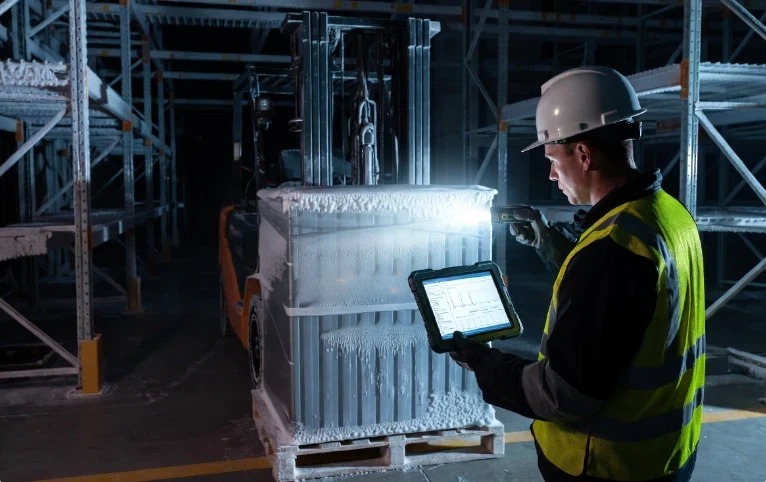
What Does an Extended Warranty for the Forklift Battery Cover?
An extended warranty for a forklift battery typically covers full or pro-rated replacement costs, manufacturer defects in materials/workmanship, and severe capacity loss, often extending coverage to 3–5 years. It safeguards against premature failure beyond standard warranties and may cover repair costs, though rarely covers damage from improper maintenance or misuse.
Understanding Extended Warranties for Forklift Batteries
Forklift batteries are a major investment that directly impacts daily productivity in warehouses, manufacturing plants, and distribution centers. While most batteries come with a standard manufacturer warranty (usually 1–2 years), an extended warranty provides additional protection against unexpected failures and capacity loss. These warranties are designed to give operators and fleet managers peace of mind by covering repair or replacement costs when the battery does not perform as expected within the covered period. Understanding exactly what an extended warranty covers helps you evaluate whether the extra cost is justified for your operation.
Key Coverage Areas of an Extended Warranty
Replacement & Repair
The core benefit of an extended warranty is coverage for replacement or repair of the battery if it fails prematurely. Many extended warranties offer full replacement during the first 1–2 years of the extension and then switch to pro-rated coverage for the remaining period. This means the manufacturer or supplier will replace the battery at no cost or at a reduced price based on the remaining warranty time. Some programs also cover labor costs associated with removal and installation, reducing downtime and out-of-pocket expenses for the operator.
Manufacturer Defects
Extended warranties typically cover defects in materials and workmanship that appear after the standard warranty expires. This includes issues such as plate sulfation, separator failure, cracked cases, or manufacturing flaws that affect performance. If the battery fails due to a proven defect rather than misuse or neglect, the warranty provider will usually honor the claim and provide a replacement or repair at little to no cost to the customer.
Extended Timeline
Most extended warranties for forklift batteries extend coverage from the standard 1–2 years up to a total of 3–5 years from the date of purchase or installation. Some premium lithium-ion battery programs offer even longer coverage periods of 8–10 years. The extended timeline is particularly valuable for high-usage fleets that put thousands of cycles on their batteries each year, as it protects against early failure and helps predict long-term operating costs more accurately.
Pro-rated Coverage
Pro-rated coverage is common in extended warranties. In the later years of the warranty, the manufacturer may only cover a percentage of the replacement cost based on the remaining warranty period. For example, in year 4 of a 5-year extended warranty, you might only pay 20% of the cost of a new battery. This structure still provides significant savings compared to purchasing a replacement at full price while encouraging proper maintenance throughout the warranty period.
What Is Typically Not Covered
Extended warranties have clear exclusions to protect the manufacturer from claims resulting from operator error or neglect. Common exclusions include:
- Damage caused by improper charging or using the wrong charger
- Failure to perform regular maintenance (watering lead-acid batteries, cleaning terminals)
- Physical damage from accidents, misuse, or rough handling
- Damage from extreme temperatures or environmental conditions not covered in the warranty
- Batteries that have been modified or used with incompatible equipment
How Many Years Should a Forklift Battery Last?
A well-maintained lead-acid forklift battery typically lasts 3 to 5 years under normal single-shift operation, while high-quality lithium-ion forklift batteries often last 8 to 12 years or more. Extended warranties are designed to bridge the gap between the standard short warranty period and the actual expected lifespan of the battery. By purchasing an extended warranty, you can protect your investment during the most critical early years when defects are most likely to appear, and many programs are structured to cover the period when capacity naturally begins to decline.
Conclusion
An extended warranty for a forklift battery provides valuable protection by covering replacement and repair costs for manufacturer defects, premature capacity loss, and other covered failures beyond the standard warranty period. It typically extends coverage to 3–5 years and may include pro-rated replacement options that reduce long-term costs. While it does not cover damage from misuse or neglect, it offers significant peace of mind for fleet operators and warehouse managers who rely on their equipment daily. When evaluating extended warranties, carefully review the terms, exclusions, and pro-rated structure to ensure the coverage matches your operational needs and usage patterns. For high-performance lithium forklift batteries that often come with strong factory warranties and minimal maintenance requirements, explore advanced solutions from leading manufacturers.
Add a review
Your email address will not be published. Required fields are marked *