
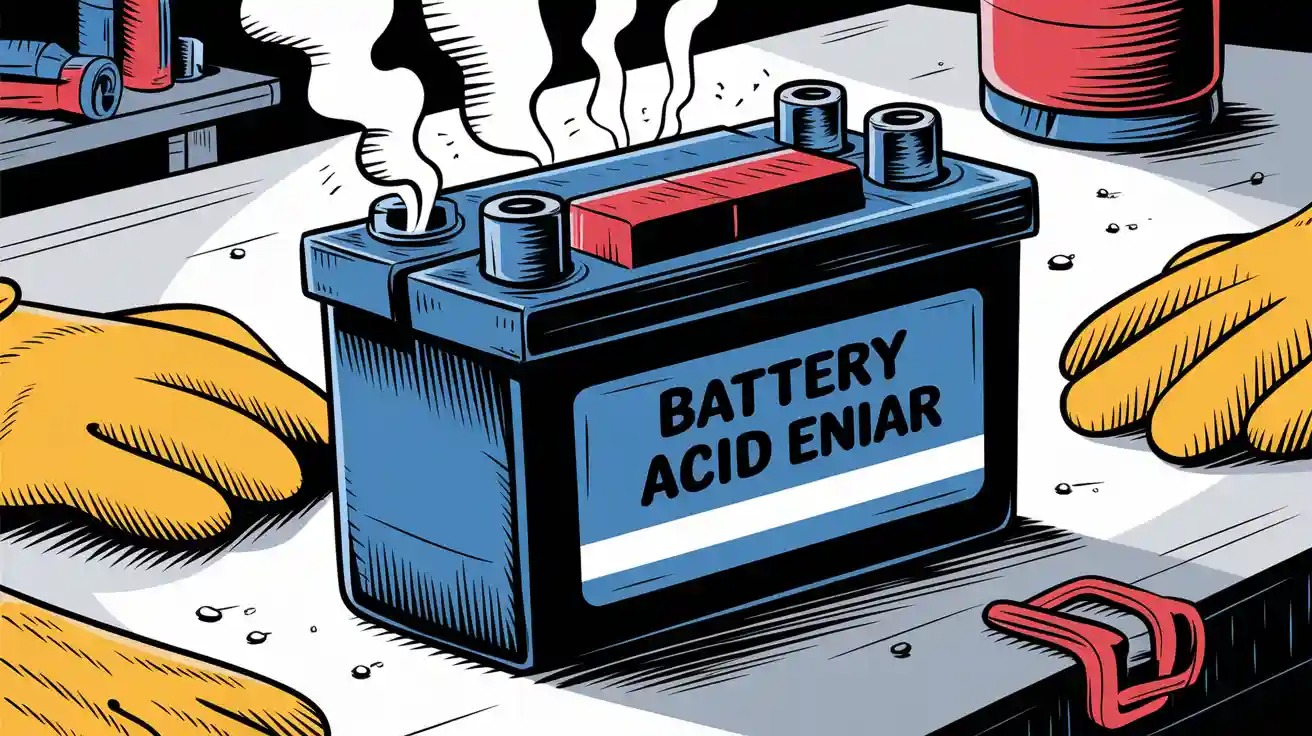
Why Does a Forklift Battery Smell Like Rotten Eggs When It Overheats?
A forklift battery smells like rotten eggs when it overheats because the excessive heat causes the internal electrolyte—a mixture of sulfuric acid and water—to boil, releasing hydrogen sulfide gas (H₂S). This occurs due to overcharging, a failing/dead cell, low water levels, or severe damage to the battery.
Understanding the Rotten Egg Smell in Forklift Batteries
The distinctive rotten egg odor coming from an overheated forklift battery is caused by hydrogen sulfide (H₂S) gas. This gas is produced when the sulfuric acid electrolyte breaks down under high temperatures. In normal operation, small amounts of gas may be released during charging, but a strong smell indicates a problem that requires immediate attention. Overheating accelerates chemical reactions inside the battery, leading to the release of H₂S along with other gases. Ignoring this warning sign can result in permanent battery damage, reduced performance, or even a fire hazard.
What Causes a Battery to Get Hot and Smell Like Rotten Eggs?
Overcharging/Overheating
Overcharging is one of the most common causes. When a charger continues supplying current after the battery is full, excess energy turns into heat. This heat causes the electrolyte to boil, releasing hydrogen sulfide gas. Using the wrong charger, a faulty charger, or leaving the battery on charge for too long can trigger this issue. Overheating can also occur during heavy use if the battery is already in poor condition.
Dead or Shorted Cell
A single dead or shorted cell forces the other cells to work harder, generating excessive heat. The shorted cell produces abnormal chemical reactions that release H₂S gas and cause a strong sulfur smell. This is often accompanied by uneven voltage readings between cells and reduced overall battery performance.
Low Electrolyte Levels
When electrolyte levels drop too low, the exposed plates overheat during charging or operation. The concentrated acid in the remaining electrolyte breaks down more easily, producing the rotten egg smell. Regular checking and topping off with distilled water (only after charging) is essential to prevent this problem in flooded lead-acid batteries.
Physical Damage
Cracked cases, damaged plates, or internal shorts from vibration and rough handling can cause localized overheating and gas production. Physical damage is often visible as swelling, leaks, or corrosion, and the sulfur smell serves as an early warning that the battery is failing.
Safety Risks Associated with the Rotten Egg Smell
Hydrogen sulfide is not only unpleasant but also toxic and flammable. In confined spaces, it can accumulate and create an explosion risk when mixed with oxygen. The gas can irritate the eyes, nose, and throat, and in higher concentrations it can cause respiratory issues or loss of consciousness. A strong sulfur smell should never be ignored. Immediately stop using the forklift, move it to a well-ventilated area, and have the battery inspected by a qualified technician.
Can You Save a Battery That Smells Like Rotten Eggs?
In many cases, no. A strong rotten egg smell usually indicates advanced internal damage or severe sulfation. While light equalization charging and proper watering may help mildly affected batteries, a persistent odor typically means one or more cells are failing. Continuing to use the battery can lead to complete failure, damage to the charger, or safety incidents. In most situations, it is safer and more cost-effective to replace the battery rather than attempt repairs. Modern lithium-ion forklift batteries eliminate this problem entirely because they do not produce hydrogen sulfide gas and require almost no maintenance.
Prevention and Best Practices
To avoid the rotten egg smell and associated problems, follow these practices:
- Use the correct charger matched to your battery type and voltage
- Never overcharge — unplug once the charger indicates full
- Check and maintain proper electrolyte levels in lead-acid batteries
- Perform regular equalization charges as recommended
- Keep the battery compartment clean and well-ventilated
- Monitor battery temperature during charging and operation
Conclusion
A forklift battery smells like rotten eggs when it overheats because excessive heat causes the sulfuric acid electrolyte to break down and release hydrogen sulfide gas. The most common triggers are overcharging, dead cells, low electrolyte levels, and physical damage. This odor is a serious warning sign that should never be ignored. Proper charging practices, regular maintenance, and timely battery replacement or upgrade can prevent dangerous situations and extend battery life. For operations seeking to eliminate acid-related hazards and maintenance issues entirely, lithium-ion forklift batteries offer a modern, safer, and longer-lasting solution.


Add a review
Your email address will not be published. Required fields are marked *