
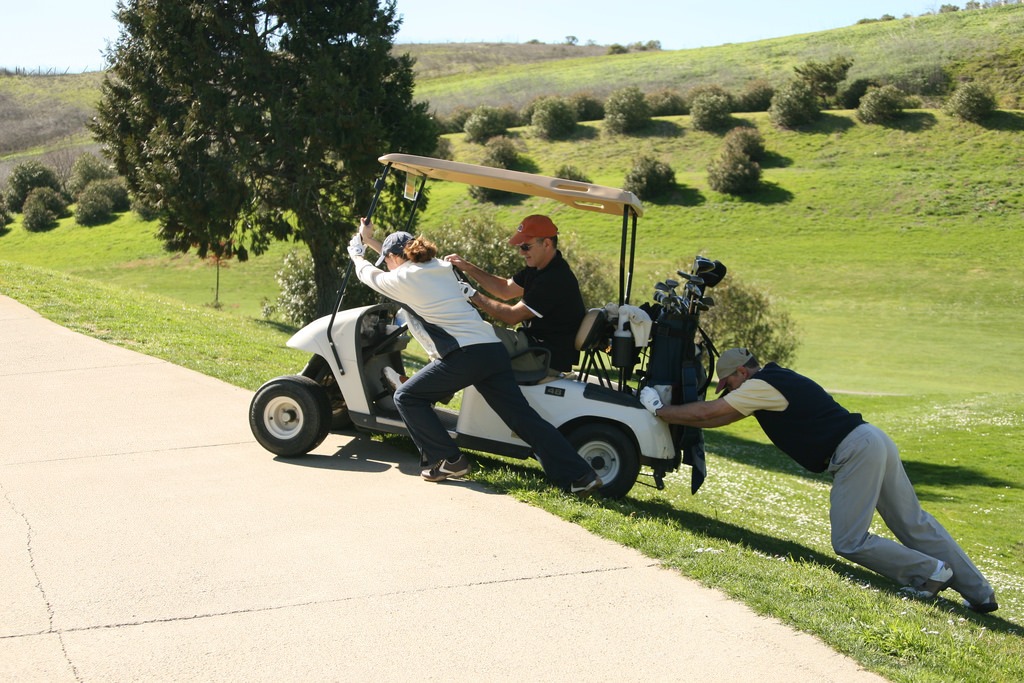
Why Your Electric Golf Cart Loses Power: Common Causes and Solutions
Electric golf carts commonly lose power due to aging, damaged, or undercharged batteries that can’t maintain proper voltage. Other frequent issues include corroded or loose terminal connections, faulty solenoids, malfunctioning motor controllers, or low water levels in lead-acid batteries. Identifying the root cause early can prevent breakdowns and extend the life of your electric golf cart.
What Is the Most Common Problem with Electric Golf Carts?
The most common problem with electric golf carts is battery-related issues. Batteries account for approximately 70-80% of power loss complaints according to service technicians and owner forums. Whether due to natural aging, sulfation in lead-acid types, improper charging, or deep discharges, failing batteries directly reduce voltage and current delivery to the motor.
Modern lithium upgrades significantly reduce this problem, offering consistent performance and much longer lifespan.
Common Reasons Your Electric Golf Cart Loses Power
Here are the primary culprits behind sudden or gradual power loss:
1. Battery Degradation and Poor Maintenance
Batteries naturally degrade over time. Lead-acid batteries typically last 3-7 years, while lithium lasts 8-12 years. Common signs of degradation include:
- Reduced range on a full charge
- Cart struggles on hills or with loads
- Voltage drops quickly under acceleration
- One or more batteries show lower voltage than the pack average
For lead-acid batteries, low water levels expose plates to air, causing irreversible damage. Always check and top off with distilled water monthly. Sulfation from prolonged undercharging also reduces capacity.
Switching to high-quality electric golf cart battery packs eliminates watering and greatly extends service life.
2. Corroded or Loose Connections
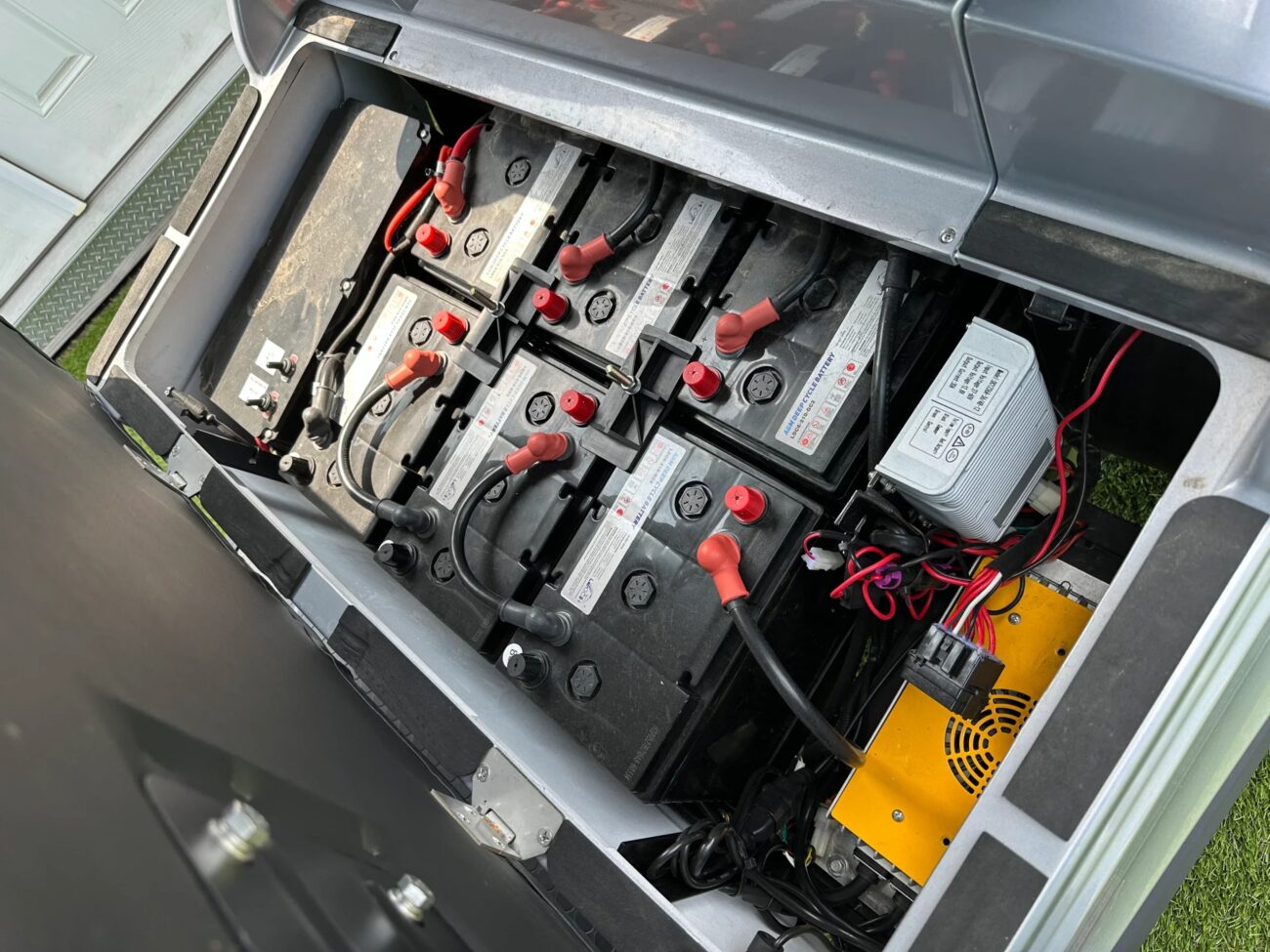
Corrosion on battery terminals or cable ends creates resistance that limits current flow. Loose connections cause intermittent power or complete failure. Symptoms include:
- Sparking when accelerating
- Cart cuts out randomly
- Visible green/white buildup on terminals
Clean terminals with a wire brush and baking soda solution, then apply dielectric grease. Tighten all cables to manufacturer specs and inspect wiring harness for damage.
3. Faulty Solenoid
The solenoid acts as a high-current switch between batteries and motor. When it fails, the cart may not move despite charged batteries. Common symptoms:
- Clicking sound when pressing accelerator but no movement
- No click and complete silence
- Intermittent operation
Test with a multimeter: you should hear a solid click and see continuity when activated. Replacement solenoids cost $50-150 and are a straightforward DIY fix on most models.
4. Controller or Throttle Issues
The motor controller regulates power delivery. Faulty controllers can cause jerky operation, reduced speed, or total power loss. Throttle potentiometer (pots) or inductive throttle sensors wear out, sending erratic signals.
Diagnostic signs include:
- Cart lurches or hesitates when starting
- Speed limiter engages randomly
- Error codes on digital displays
Professional diagnosis with a dealer tool is often needed for controller issues, as reprogramming or replacement can be complex.
5. Charging System Failures
A bad charger or onboard charging receptacle prevents proper battery charging. Symptoms:
- Batteries never reach full charge
- Charger shuts off prematurely
- No lights or output from charger
Always use the manufacturer-recommended charger. For lithium batteries, a dedicated LiFePO4 charger is essential to avoid damage.
How to Diagnose Power Loss in Your Electric Golf Cart
Follow this step-by-step process:
- Check battery voltage with a multimeter (fully charged 48V pack should read ~51-52V)
- Inspect all connections for corrosion and tightness
- Load test individual batteries
- Listen for solenoid click
- Test charger output
- Consult a professional for controller diagnostics
Prevention and Long-Term Solutions
Regular maintenance prevents most issues:
- Charge after every use
- Clean and inspect connections seasonally
- Water lead-acid batteries monthly
- Store properly in winter
Upgrading to lithium electric golf cart battery packs eliminates many common problems—no watering, deeper discharges, and 3-5 times longer life.
Conclusion
Power loss in electric golf carts is usually traceable to batteries, connections, solenoids, controllers, or charging issues. Most problems are preventable with basic maintenance. For reliable, long-term performance, consider modern lithium solutions that minimize downtime and maximize enjoyment on the course.
Explore quality options for your electric golf cart and premium electric golf cart battery upgrades today.


Add a review
Your email address will not be published. Required fields are marked *