
Advantages of Using Electric Golf Carts on Campus: Key Benefits for Modern Campuses
Electric golf carts on campus provide sustainable, cost-effective, and quiet transportation that reduces air and noise pollution while easily navigating crowded pathways. They deliver low-maintenance, energy-efficient, and accessible mobility for staff, students, and visitors, perfectly aligning with eco-friendly campus initiatives and improving daily efficiency.
Why Do Schools Use Golf Carts?
Colleges and universities adopt golf carts primarily for efficient transportation across large, sprawling campuses where walking long distances can be time-consuming. Maintenance teams, campus security, facilities staff, and administrators rely on them for quick response times and daily operations. Many schools also provide carts for students with mobility needs, event support, tours, and shuttle services between buildings, parking lots, and dormitories.
Electric models have become the preferred choice over gas-powered carts due to stricter environmental standards, lower operating costs, and the push toward carbon-neutral campuses. Institutions like Stanford, UCLA, and many community colleges have fleets of electric golf carts to support sustainable operations.
Key Advantages of Electric Golf Carts on Campus
Environmental Sustainability
Electric golf carts produce zero tailpipe emissions, significantly reducing the campus carbon footprint compared to gasoline vehicles. They help institutions meet sustainability goals, improve air quality, and minimize contribution to greenhouse gases. Powered by rechargeable batteries, they align with renewable energy initiatives when charged via solar or grid-clean sources.
Cost Efficiency and Low Maintenance
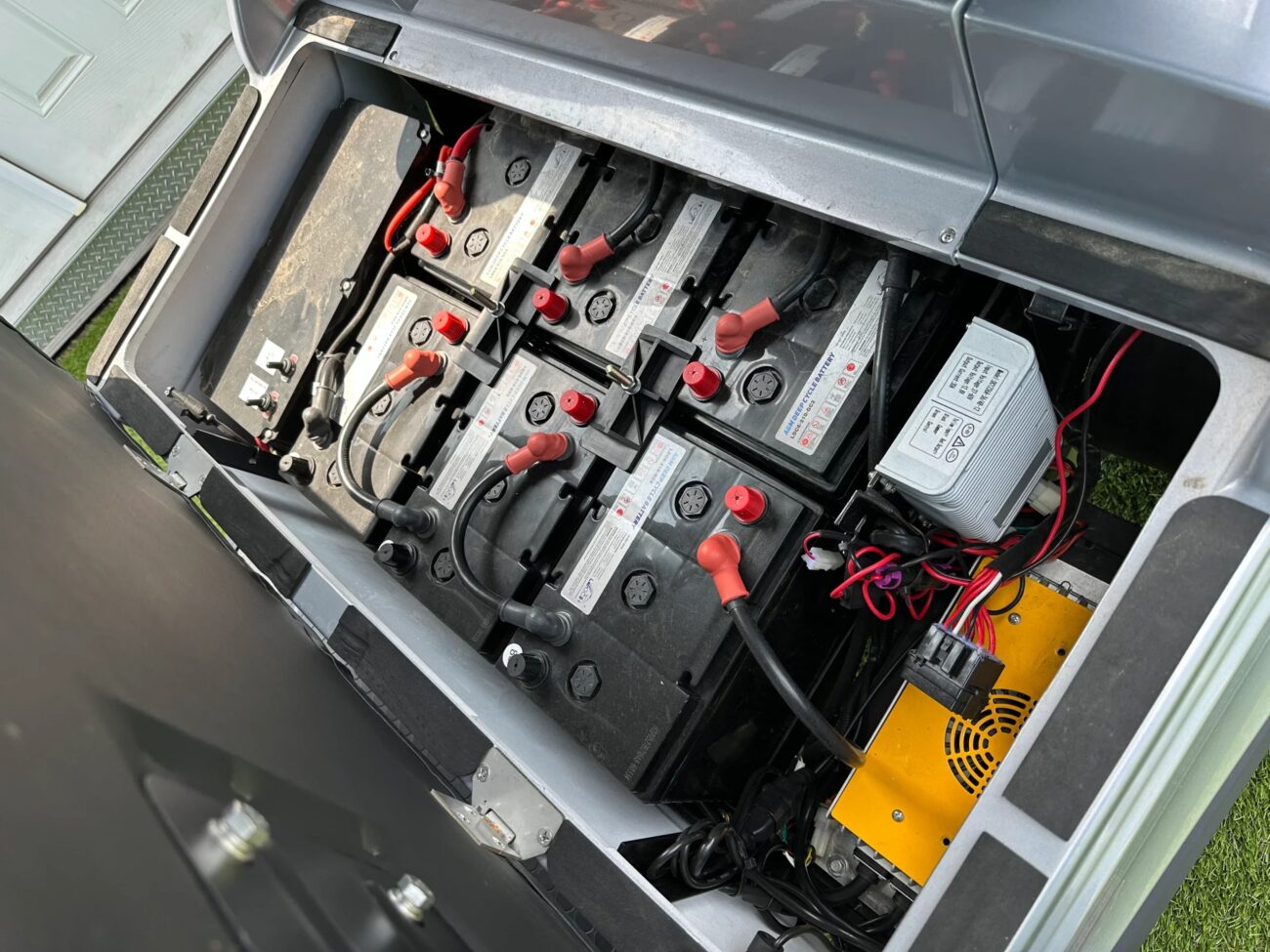
Electricity costs far less than gasoline, leading to substantial savings on fuel—often 70-80% lower operating expenses. Electric carts have fewer moving parts than gas engines, eliminating oil changes, spark plugs, and exhaust repairs. Modern lithium Electric Golf Cart Battery packs require no watering or routine upkeep, further reducing long-term costs and downtime.
Quiet Operation
Unlike noisy gas carts, electric models operate almost silently. This reduces noise pollution in learning environments, making them ideal for libraries, lecture halls, and residential areas. Quiet carts create a more peaceful, focused atmosphere conducive to study and campus life.
Maneuverability and Safety
Compact size and tight turning radius allow electric golf carts to navigate narrow paths, sidewalks, and pedestrian zones safely. Speed governors typically limit them to 10-15 mph, reducing accident risk in crowded areas. Features like headlights, seat belts, and turn signals enhance visibility and safety for drivers and pedestrians.
Accessibility and Convenience
Electric carts provide inclusive transportation for individuals with disabilities, temporary injuries, or heavy loads. Many models include ADA-compliant features such as low-step entry and ample seating. They offer on-demand mobility, shortening travel time between classes and improving punctuality for students and faculty.
Versatility
Beyond basic transport, carts can be customized with utility beds for maintenance, enclosed cabs for weather protection, or multiple rows for shuttle service. They support diverse campus needs—from groundskeeping and mail delivery to emergency response and event logistics.
Integration with Campus Infrastructure
Most campuses already have widespread electrical outlets or dedicated charging stations, making integration seamless. Many institutions install solar-powered charging hubs to further enhance sustainability. Fleet management software tracks usage, battery health, and location, optimizing efficiency and preventive maintenance.
What Is the Most Common Problem with Electric Golf Carts?
The most frequent issue with electric golf carts is battery degradation or failure, accounting for the majority of performance complaints. Lead-acid batteries may suffer from sulfation, low water levels, or uneven charging, leading to reduced range and power loss. However, upgrading to advanced lithium Electric Golf Cart Battery solutions eliminates most of these problems with longer lifespan, deeper discharge capability, and zero maintenance requirements.
Conclusion
Electric golf carts offer campuses a practical, eco-friendly transportation solution that combines sustainability, cost savings, quiet operation, and accessibility. From reducing emissions and operating expenses to improving daily mobility and safety, they support modern educational environments effectively. As institutions prioritize green initiatives, electric carts continue to replace older gas models across schools worldwide.
Ready to enhance your campus fleet? Explore reliable electric golf carts and premium Electric Golf Cart Battery options designed for long-lasting performance.



Add a review
Your email address will not be published. Required fields are marked *