
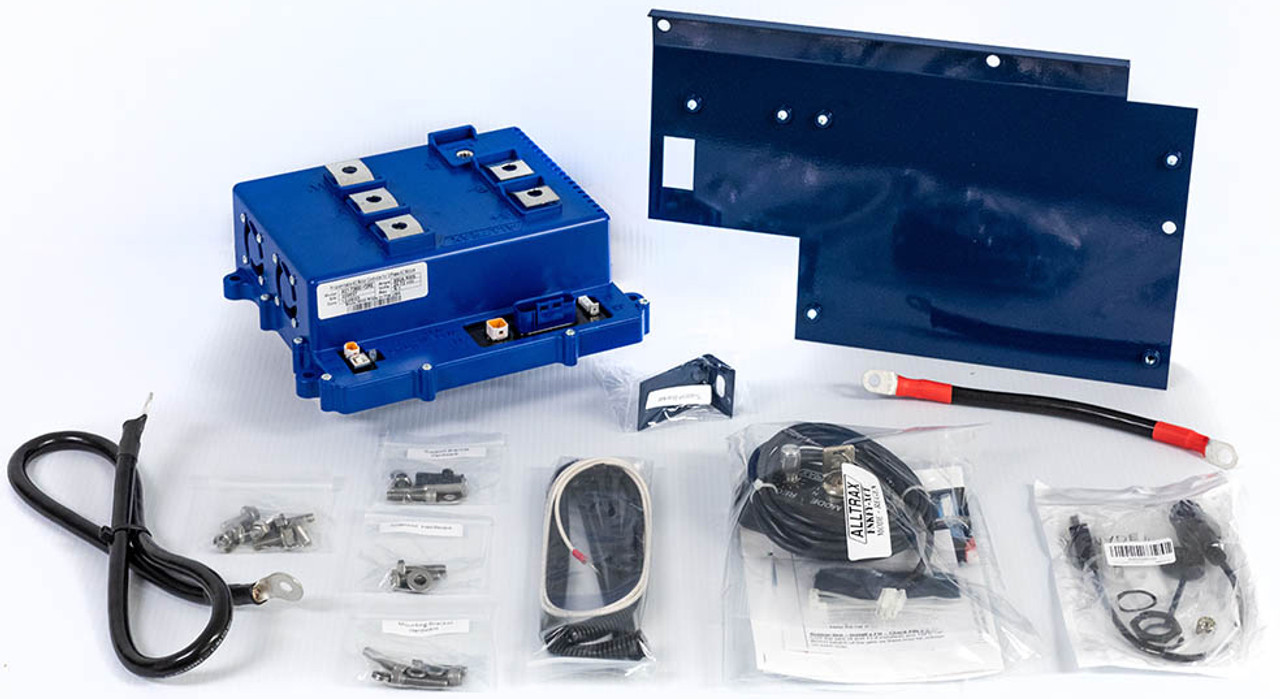
Yamaha DR2E18 Controller: Purpose, Applications, and Efficiency Gains
Yamaha DR2E18 delivers precise, reliable control for automation—easy parameter tuning, diagnostics, and safety features to optimize uptime and output.
What the DR2E18 Controller Does
The Yamaha DR2E18 controller is built to manage machine functions with accuracy and repeatability. It centralizes parameter setup, I/O mapping, safety interlocks, and runtime diagnostics so operators can adjust settings quickly while maintaining tight process control. In practical terms, the DR2E18:
- Coordinates actuators, drives, and sensors with millisecond-level responsiveness.
- Lets users create and store multiple recipes (parameter sets) for rapid changeovers.
- Implements soft-start/stop ramps and motion profiles to reduce mechanical shock.
- Monitors faults and trends, helping teams spot issues before they become downtime.
- Supports scalable I/O so lines can expand without redesigning the control core.
Where It Fits (and a Helpful Analogy)
In factory automation, the DR2E18 acts like the “conductor” of a production cell—timing movements, enforcing limits, and logging performance. If you’re familiar with mobile platforms such as a golf cart, think of the way a motor controller meters power, protects components, and smooths acceleration—the DR2E18 plays a similarly critical role for industrial equipment.
Typical Use Cases
- Manufacturing & assembly: Coordinating feeders, pick-and-place units, and test stations with deterministic timing.
- Packaging & converting: Register control, web handling, cut/seal cycles, and precision indexing on cartoners, baggers, and labelers.
- Material handling: Conveyor zoning, lift tables, diverters, and automated storage retrieval cues with safe, controlled motion.
- Robotics & motion platforms: Supervisory logic for end-effectors, tool change routines, and axis interlocks.
- Food & beverage lines: Recipe-based control, CIP interlocks, temperature/level monitoring, and quality checks.
- Printing & finishing: Speed matching, tension control, and precise start/stop profiles to protect substrates.
- HVAC/process utilities: Duty cycling, alarm handling, and data logging for energy optimization and compliance.
How the Yamaha DR2E18 Controller Enhances Efficiency
- Rapid setup and changeover: Parameter libraries and recipe recall slash line reconfiguration time, boosting OEE.
- Consistent quality: Tight loop control and interlocks reduce variability, scrap, and rework.
- Lower mechanical stress: Smooth ramps and tuned deceleration extend bearing, belt, and gearbox life.
- Predictive insight: Fault logs and trend data highlight drift, allowing maintenance before failures occur.
- Energy savings: Intelligent duty cycles and idle strategies cut consumption during dwell periods.
- Scalable architecture: Add I/O or peripheral modules without rewriting core logic, minimizing engineering hours.
Key Capabilities at a Glance
- Configurable I/O: Digital and analog channels mapped to machine states, alarms, and permissives.
- Flexible logic: Support for step sequences, interlocks, and safety conditions aligned to your SOPs.
- Diagnostics: Timestamped event logs, counters, and health flags for quick fault isolation.
- User-friendly HMI: Clear parameter names, units, and help text shorten the learning curve.
- Serviceability: Backup/restore of settings, firmware update paths, and clear wiring references.
Industries That Commonly Use the Yamaha DR2E18 Controller
You’ll find DR2E18-class controllers in general manufacturing, consumer packaged goods, automotive components, electronics assembly, food & beverage, warehousing and logistics, printing/converting, and building systems. Anywhere precise sequencing, safe motion, and reproducible results are mandatory, this controller category is a natural fit.
Integration & Commissioning Checklist
- Define requirements: Map I/O counts, analog ranges, and safety interlocks. Document recipes and setpoint limits.
- Panel design: Lay out clean power, grounding, shielding, and ventilation; route high- and low-voltage separately.
- Wiring & labeling: Use ferrules, clear tags, and service loops. Document terminal assignments in the as-built.
- Parameterization: Load initial settings, motion profiles, timeouts, and alarm thresholds based on FMEA and SOPs.
- FAT/SAT testing: Simulate sensors, test safe states, and verify alarm actions. Capture baseline trend data for reference.
- Training & handoff: Provide a quick-reference guide for operators and a maintenance playbook for techs.
Troubleshooting Tips
- Intermittent stops: Check permissive chains and sensor noise; verify shielding and proper grounding.
- Inconsistent speeds: Recalibrate feedback devices; verify scaling on analog inputs and review ramp profiles.
- Nuisance alarms: Widen debounce or filter times; confirm sensor alignment and mechanical clearances.
- Recipe errors: Lock critical parameters; implement role-based access to avoid accidental edits.
FAQ
What industries commonly use the Yamaha DR2E18 controller?
Manufacturing, packaging, material handling, food & beverage, electronics, printing, and building systems—any environment requiring repeatable, safe, and data-driven machine control.
How does the Yamaha DR2E18 controller enhance efficiency?
By standardizing parameter management, enabling quick recipe changeovers, reducing scrap via precise sequencing, and providing diagnostics that support predictive maintenance—thereby improving uptime, quality, and energy use.
Bottom Line
The Yamaha DR2E18 controller provides a reliable foundation for precise, flexible machine control. Its strengths—clear parameterization, robust diagnostics, and scalable I/O—translate into faster launches, cleaner changeovers, and higher OEE. Whether you’re commissioning a new cell or modernizing an existing line, a DR2E18-class controller helps you achieve consistent results with fewer surprises—all while giving operators and technicians an intuitive interface to run at their best.

Add a review
Your email address will not be published. Required fields are marked *