
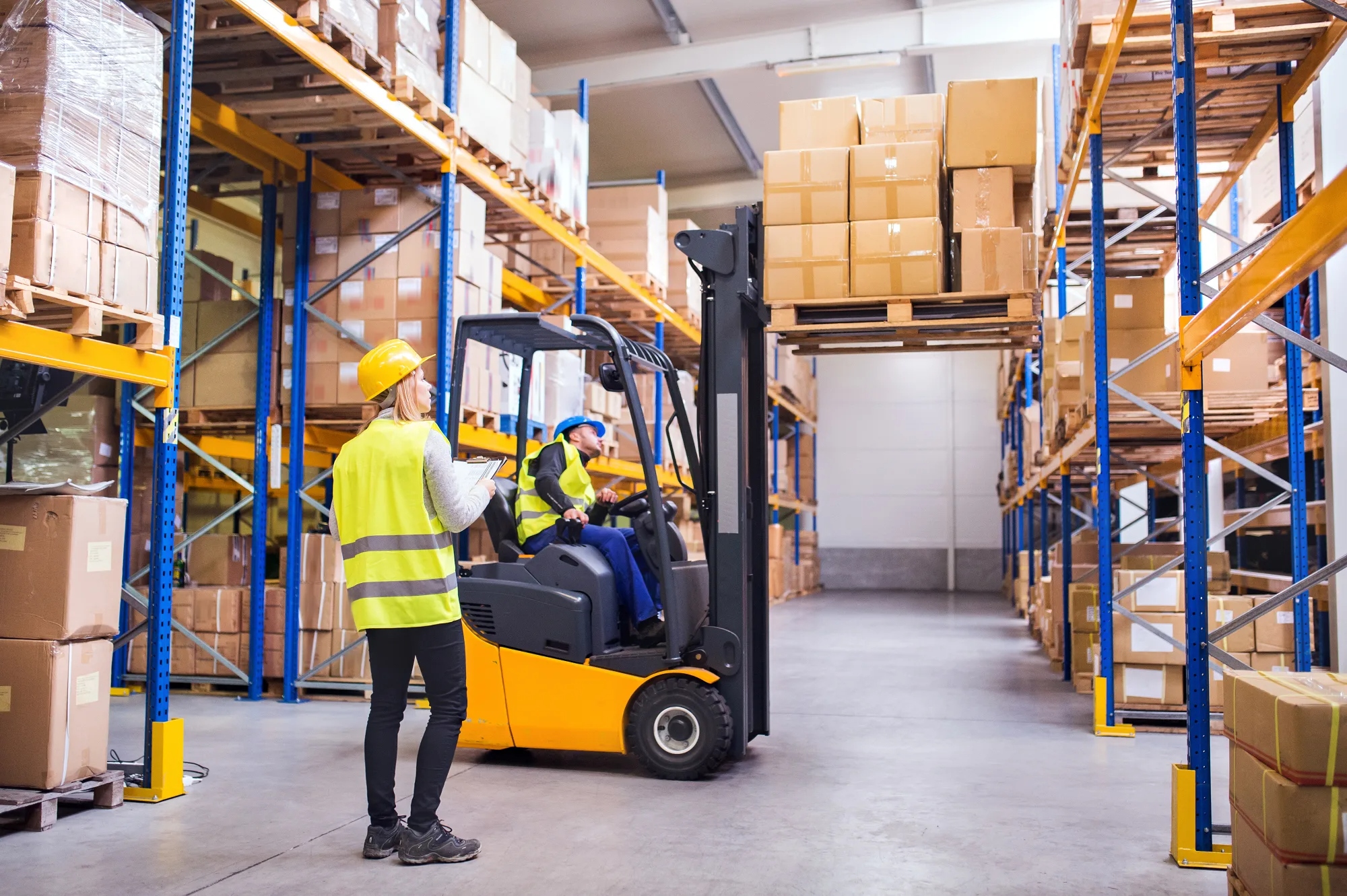
What factors affect forklift rental costs
Forklift rental costs are influenced by multiple factors including equipment type, rental duration, power source, and additional fees. Understanding these variables helps businesses budget effectively while ensuring operational efficiency.
Key Factors That Influence Forklift Rental Pricing
When evaluating forklift rental costs, businesses must consider several critical elements. The primary factors include the forklift’s capacity, lift height, fuel type, and the rental period. Specialized equipment such as Liftron Material Handling offers advanced features that may affect pricing compared to standard models.
Forklift Type and Capacity
Different forklift types serve distinct applications. Counterbalance forklifts, reach trucks, and pallet jacks each come with varying rental rates. Capacity requirements—ranging from 3,000 to 10,000 pounds—directly impact cost. Higher capacity units demand more robust engineering, increasing rental prices. For example, Liftron DL SERIES lithium-ion models offer superior lifting capabilities with lower maintenance, potentially offsetting higher upfront rental fees through operational savings.
Rental Duration
- Daily rentals: Most expensive per unit time, suitable for short-term needs like events or temporary projects.
- Weekly rentals: Offer moderate discounts compared to daily rates, ideal for seasonal workloads.
- Monthly rentals: Provide the best per-day value, often with free maintenance included. Long-term contracts (6-12 months) can reduce costs by 20-40%.
Power Source: Electric vs. Internal Combustion
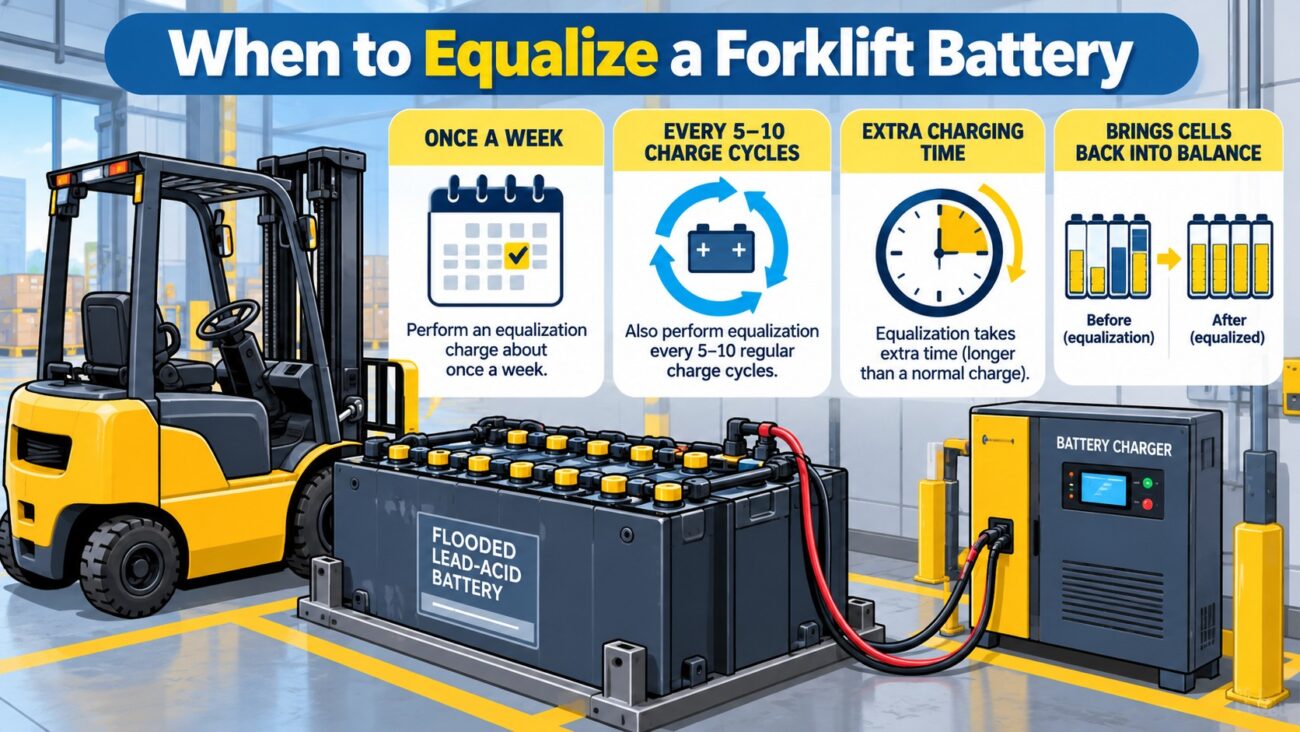
Electric forklifts typically cost more to rent due to battery and charger investments, but they offer lower fuel and maintenance expenses. Internal combustion (IC) models running on propane or diesel have lower base rental rates but higher operational costs. The Liftron DL SERIES lithium-ion forklifts combine zero emissions with fast charging, reducing downtime and total cost of ownership over the rental period.
Additional Equipment and Attachments
| Attachment Type | Impact on Rental Cost | Common Application |
|---|---|---|
| Sideshifter | +10-20% | Pallet positioning |
| Fork positioner | +15-25% | Multi-size loads |
| Clamp attachment | +20-35% | Drums or bales |
| Side loader | +30-50% | Long or wide loads |
Geographic Location and Market Demand
Forklift rental rates vary by region due to local labor costs, transportation fees, and supply-demand dynamics. Urban areas with high industrial density often have competitive pricing, while remote locations may incur additional delivery surcharges. Seasonal demands—such as pre-holiday warehouse peaks—can increase prices by 15-25%.
Maintenance and Insurance Inclusions
Many rental agreements include preventive maintenance and breakdown support. Packages with full-service maintenance typically add 10-15% to the base rental rate but eliminate unexpected repair costs. Insurance coverage for damage or theft is often mandatory and priced separately. Liftron Material Handling offers transparent rental contracts with clear maintenance terms, ensuring no hidden fees.
How to Minimize Forklift Rental Costs
To reduce expenses, businesses can:
- Opt for monthly rentals over short-term agreements.
- Choose standard, high-availability models instead of specialized equipment.
- Negotiate multi-unit discounts for fleet rentals.
- Select lithium-ion electric models like the Liftron DL SERIES to reduce fuel and charging costs.
- Return attachments not needed for daily operations.
Comparison of Rental Options
| Rental Option | Cost Factor | Best For |
|---|---|---|
| Short-term (daily/weekly) | High per unit cost | Emergency or peak needs |
| Medium-term (monthly) | Moderate cost | Seasonal or project-based work |
| Long-term (6+ months) | Lowest per unit cost | Ongoing operations |
Conclusion
Forklift rental costs depend on equipment specifications, duration, power source, and additional services. By evaluating these factors and leveraging modern solutions like the Liftron DL SERIES lithium-ion models from Liftron Material Handling, companies can achieve cost-effective material handling without compromising productivity. Always request detailed quotes and compare multiple providers to secure the best value for your specific operational needs.


Add a review
Your email address will not be published. Required fields are marked *