
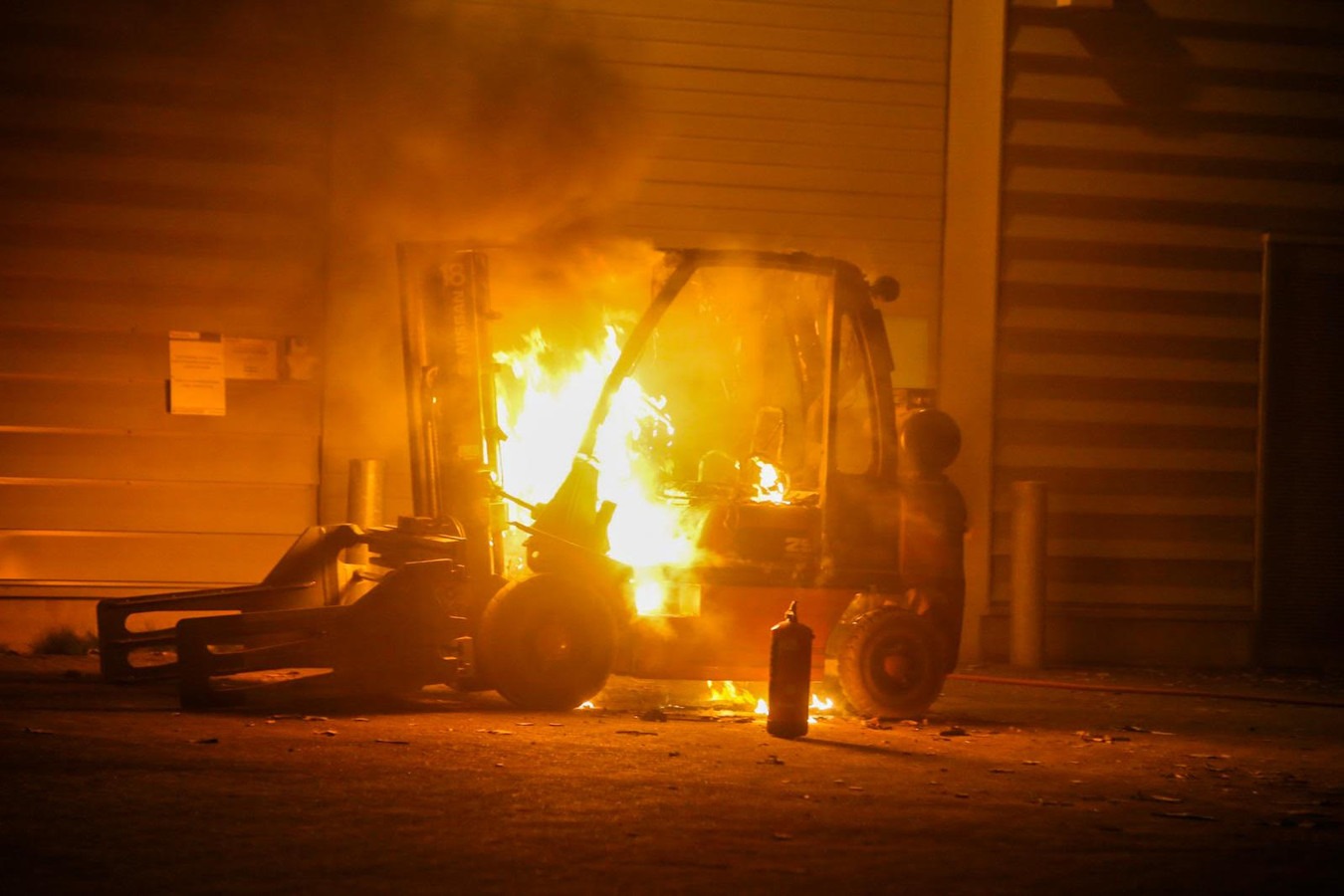
Can a Forklift Battery Explode? Causes, Warning Signs, and Safe Charging Practices
Yes—forklift batteries can explode if hydrogen gas builds up during charging and a spark or flame ignites it. Good ventilation prevents most incidents.
A forklift battery is built to deliver high power for demanding material handling, but that same energy can become dangerous when charging is done carelessly. Explosions are most commonly associated with lead-acid batteries because they release hydrogen gas as part of normal electrochemical charging. Hydrogen is highly flammable, and if it accumulates in an enclosed area, a single ignition source—like a spark at a connector, static discharge, damaged wiring, or open flame—can trigger an explosion. While lithium systems have different risk profiles, any high-energy battery system deserves disciplined handling.
The good news is that most forklift battery explosions are preventable. By understanding the root causes and setting up a consistent charging routine, you can protect employees, equipment, and uptime.
Key Reasons for Explosion
Hydrogen Accumulation
During charging—especially near the end of the charge—lead-acid batteries can “gas,” releasing hydrogen (and oxygen). In a properly ventilated charging area, this gas disperses safely. Problems occur when charging happens in a tight room, near a wall with poor airflow, or in a space where multiple batteries charge at once without adequate ventilation. Hydrogen is lighter than air, so it tends to rise and collect near ceilings or under low overhangs if air exchange is poor.
Ignition Sources
Hydrogen by itself is not the whole problem; ignition is the trigger. Common ignition sources include:
- Sparks when connecting or disconnecting chargers
- Loose, corroded, or overheated connectors that arc under load
- Damaged cables with exposed conductors
- Static discharge in dry environments
- Open flames or hot work (smoking, cutting, grinding) near the charging zone
Even a small spark can ignite hydrogen if the concentration is high enough.
Overcharging and Overheating
Overcharging increases gassing and heat. Excessive heat can also damage battery components, degrade insulation, and raise the chance of failure at connectors or internal parts. Overcharging can happen when:
- The charger is mismatched to the battery voltage or type
- Charger settings are incorrect
- Automatic shutoff fails
- Equalization is performed too frequently or improperly
Damaged Components
Physical damage or poor maintenance raises risk. Cracked cases, loose terminal posts, leaking electrolyte, and heavily corroded connectors all increase the chance of arcing and heat buildup. A battery can also become dangerous if it has been dropped, hit by equipment, or repeatedly operated while in poor condition.
Warning Signs You Should Never Ignore
Battery explosions are often preceded by warning signals. If you notice any of the following, stop and investigate:
- Strong “rotten egg” odor (possible hydrogen sulfide in certain conditions)
- Charger or connectors getting unusually hot
- Crackling sounds, popping, or visible arcing at plugs
- Bulging case, leaking fluid, or wetness around caps/terminals
- Heavy corrosion (white/green buildup) on terminals or cables
Safety Guidelines to Prevent Explosions
Ensure Good Ventilation
Ventilation is the single most important control for preventing hydrogen accumulation. Best practices include:
- Use a designated charging area with fresh-air exchange
- Keep charging stations away from enclosed closets or tight corners
- Avoid charging multiple batteries in a small unventilated room
- Make sure vents/fans (if installed) are working and unobstructed
Keep Sparks Away
Reduce ignition risks by controlling spark sources:
- Turn the charger off (if applicable) before connecting/disconnecting
- Never smoke or allow open flames near charging batteries
- Prohibit cutting, grinding, and welding in the charging area
- Prevent static buildup with good housekeeping and appropriate facility practices
Use Proper Equipment
Charging systems should match the battery’s specifications. To reduce risk:
- Use the correct charger for the battery voltage and type
- Do not bypass safety interlocks or modify connectors
- Use cables and plugs rated for the current demands
- Follow manufacturer guidance for equalization schedules
Wear Personal Protective Equipment (PPE)
When working around batteries—especially lead-acid—use PPE appropriate to your site’s hazard assessment. Common items include:
- Safety glasses or a face shield
- Acid-resistant gloves
- Protective apron or workwear as needed
PPE won’t stop an explosion, but it can reduce injury risk during handling, spills, or unexpected events.
Inspect Frequently
Routine checks prevent small issues from turning into dangerous ones:
- Inspect connectors for looseness, discoloration, or melted plastic
- Check cables for cuts, abrasion, or exposed conductors
- Look for corrosion and clean it promptly
- Verify the charger operates normally and completes charge cycles correctly
Best-Practice Charging Routine (Simple and Repeatable)
Many operations reduce incidents by standardizing a basic routine:
- Charge at the right time: Begin charging around 20–30% remaining charge rather than running to “empty.”
- Charge fully: Allow a complete charge cycle (often around 8 hours) without repeated interruptions.
- Cool down: Let batteries cool after heavy use and after charging before returning to hard work.
- Water after charging (lead-acid): Add distilled water only after the charge completes to avoid overflow and acid mist.
- Equalize periodically (lead-acid): Equalize about every 5–10 cycles (or per manufacturer guidance) to reduce imbalance.
What Happens If a Battery Explodes?
A forklift battery explosion can cause serious harm and damage because it may involve multiple hazards at once:
- Blast force: The battery case can rupture, sending plastic fragments outward.
- Acid exposure (lead-acid): Sulfuric acid can spray, causing chemical burns to skin and eyes.
- Fire risk: Ignited hydrogen or nearby combustible materials can start a fire.
- Equipment damage: Chargers, cables, and the forklift’s electrical system may be destroyed.
- Operational downtime: Cleanup, investigations, and replacement costs can be significant.
If an explosion occurs, treat it as an emergency: move people to safety, follow your site’s incident response plan, and seek medical care immediately for any exposure or injury—especially eye contact with electrolyte.
Conclusion
Forklift batteries—especially lead-acid types—can explode, most often when hydrogen gas accumulates during charging and is ignited by a spark or flame. Preventing explosions comes down to disciplined charging practices: strong ventilation, strict ignition control, correct equipment, proper PPE, and frequent inspections. With a designated charging area and consistent routines, the risk can be dramatically reduced while improving battery life and daily performance.


Add a review
Your email address will not be published. Required fields are marked *