
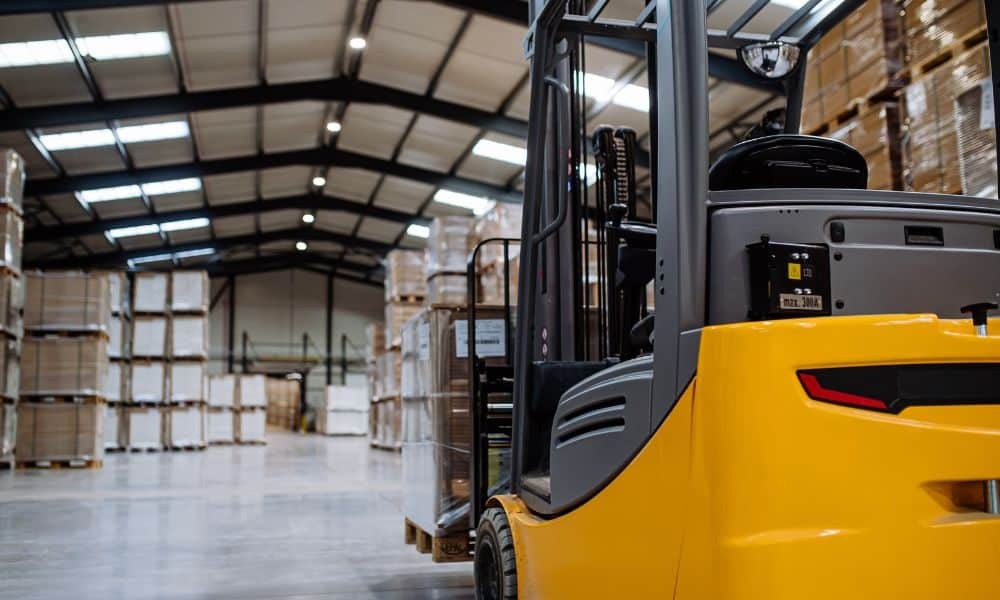
What Is the Life Expectancy of a Forklift Battery?
Forklift batteries generally last 5–7 years (approx. 1,500 cycles) for lead-acid and 10+ years (3,000+ cycles) for lithium-ion with proper maintenance. Lifespan depends heavily on usage, with heavy daily use shortening life, while regular watering and equalizing (for lead-acid) or opportunity charging (for lithium-ion) maximize longevity.
Lead-Acid Batteries: Typical Lifespan and Limitations
Traditional flooded lead-acid forklift batteries remain the most common choice due to their lower upfront cost. Under normal single-shift warehouse conditions with proper maintenance, they typically deliver 5 to 7 years of service or roughly 1,500 full charge cycles. Excellent care — including regular watering, equalization charging every 5–10 cycles, and avoiding deep discharges below 20% — can extend this to 8–9 years in some cases. However, heavy multi-shift operations, extreme temperatures, or inconsistent maintenance often reduce lifespan to just 3–4 years. The main limiting factors are sulfation buildup, water loss, and plate corrosion, all of which accelerate when charging habits or environmental conditions are less than ideal.
Lithium-Ion Batteries: Superior Longevity and Performance
Lithium-Ion Batteries represent a major advancement in forklift power. Modern LiFePO4 packs commonly last 10+ years or 3,000–5,000+ cycles with minimal degradation. Many high-quality systems maintain 80–85% of original capacity even after 8–10 years of daily use. Lithium batteries handle deeper discharges (up to 80–100%) without damage, maintain consistent voltage throughout the shift, and require virtually no maintenance. Opportunity charging during breaks actually extends their life rather than shortening it. The built-in Battery Management System protects against overcharge, overheating, and deep discharge, making lithium the clear choice for operations seeking maximum uptime and lowest total cost of ownership.
Key Factors Affecting Lifespan
Maintenance Practices
Maintenance is the single biggest controllable factor. For lead-acid batteries, weekly watering, monthly terminal cleaning, and regular equalization are essential. Neglecting any of these accelerates sulfation and capacity loss. Lithium-ion batteries need almost no maintenance beyond keeping them charged and avoiding extreme cold charging without heaters.
Usage Intensity
Heavy multi-shift operations consume cycles much faster than single-shift use. Frequent full discharges, high loads, and rough terrain all shorten battery life. Temperature also plays a major role — extreme heat accelerates corrosion in lead-acid packs, while cold reduces available capacity in all battery types.
How Much Does It Cost to Replace Forklift Batteries?
Replacement costs vary significantly by chemistry and capacity. A full set of lead-acid batteries for a standard 48V forklift typically ranges from $1,200 to $2,500. Premium AGM versions cost $2,000–$3,500. Lithium-ion replacement packs start at $2,800 and can reach $4,500–$7,000 for high-capacity models. While lithium has a higher initial price, the dramatically longer lifespan (often 3–5 times that of lead-acid) and near-zero maintenance usually result in lower total cost of ownership over 10 years. Installation labor adds another $300–$800 depending on the shop and complexity.
How Much Is a Forklift Battery Worth in Scrap?
Lead-acid forklift batteries have solid scrap value due to their high lead content. Current market rates typically range from $0.15 to $0.30 per pound for whole batteries. A standard 3,000-pound pack can therefore be worth $450–$900 at a certified recycler. Lithium-ion batteries have lower scrap value per pound but contain recoverable materials such as lithium, nickel, and copper. Many facilities prefer to refurbish or repurpose lithium packs rather than scrap them because of their remaining capacity and high residual value. Always use licensed recyclers to ensure proper environmental handling and regulatory compliance.
Conclusion
Forklift battery life expectancy ranges from 5–7 years for lead-acid to 10+ years for lithium-ion, with proper maintenance being the deciding factor. Understanding the impact of charging habits, temperature, usage intensity, and regular care helps operators maximize performance and avoid costly early replacements. While lead-acid batteries remain a budget-friendly option, lithium-ion technology delivers superior longevity, zero maintenance, and consistent power delivery. Facilities looking to reduce downtime and long-term costs should strongly consider upgrading to modern lithium solutions. Investing in quality batteries today pays dividends for years through improved reliability and lower overall operating expenses.

Add a review
Your email address will not be published. Required fields are marked *