Low Speed Vehicles Definition Requirements and Difference from Golf Carts
Low speed vehicles and low speed electric vehicle are 4-wheeled vehicles limited to 20–25 mph, requiring specific safety gear and registration under federal law.


Low speed vehicles and low speed electric vehicle are 4-wheeled vehicles limited to 20–25 mph, requiring specific safety gear and registration under federal law.

Learn where low speed vehicles can legally operate, what defines them, and how different U.S. states regulate their use on public roads.

A golf cart and a low speed vehicle (LSV) may look similar, but they are not always the same. Understanding their differences is key for safe and legal operation.

Indiana allows golf carts in select areas under specific conditions. In places like Noblesville, local ordinances permit golf cart use on designated city streets, reflecting the state’s growing embrace of low speed vehicles as viable local transportation.

Discover what a low speed vehicles golf cart is, how it differs from a standard golf cart, and whether you can convert your cart into an LSV.
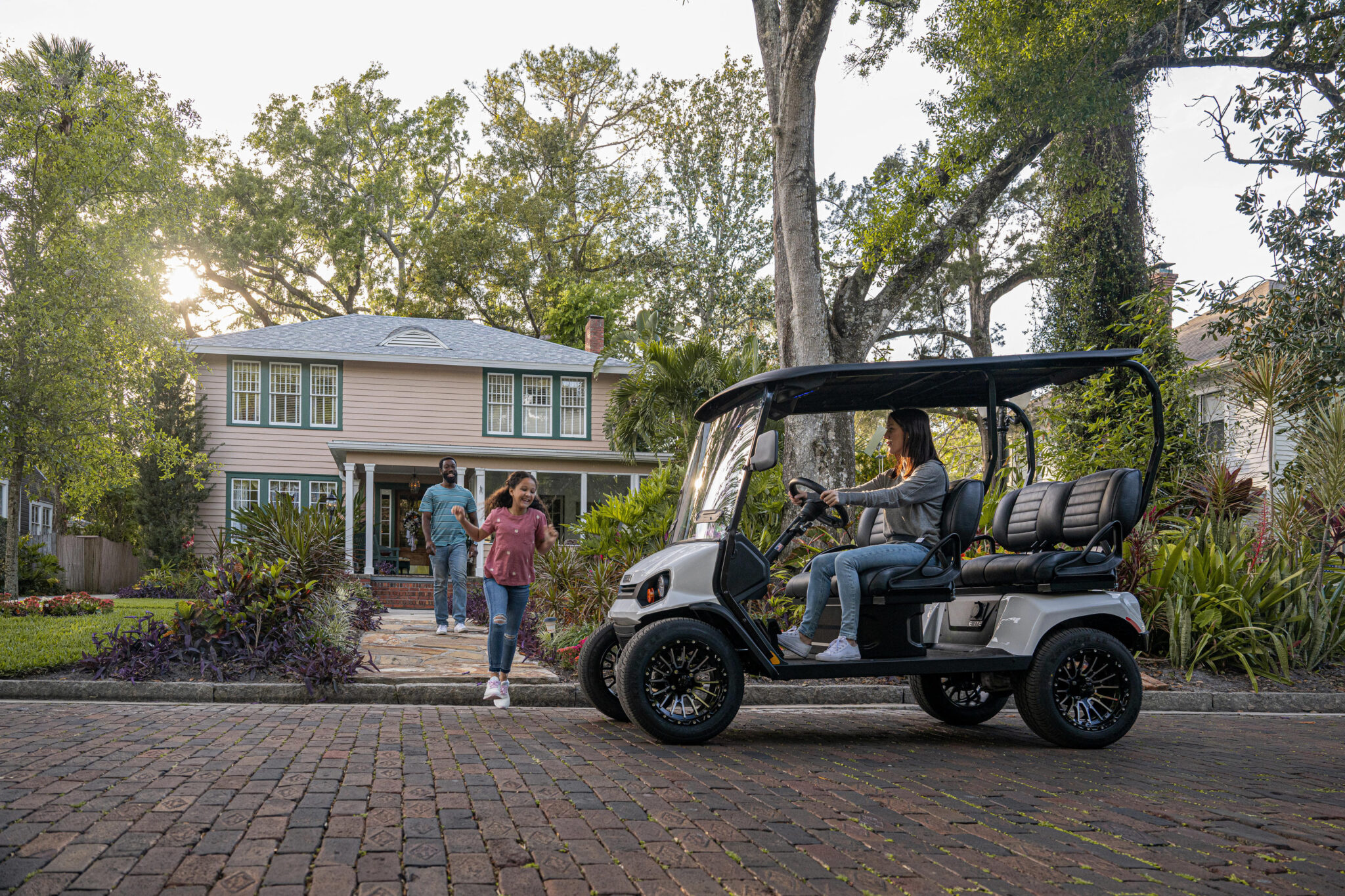
NEVs (Neighborhood Electric Vehicles) and LSVs (Low-Speed Vehicles) are eco-friendly transportation solutions ideal for short-distance travel, but what sets them apart?

If you’re choosing between golf cart brands, both EZGO and Tara offer popular and reliable options. But how do they compare in quality, performance, and battery life?

Choosing between the Club Car Tempo and Precedent can be tricky—they’re both reliable and widely loved models. Learn the differences in design, performance, and features to help decide which golf cart fits your needs. Explore more about golf cart and low speed vehicles options today.

The Club Car DS and Precedent are both popular models in the golf cart world. Learn their key differences and find out which one suits your needs best.
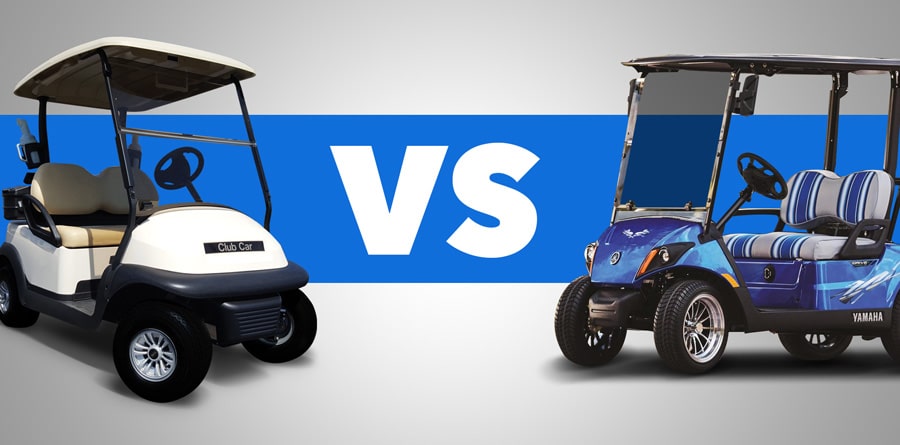
Choosing between a golf cart from Club Car or Yamaha? This guide compares the two top brands in terms of frame materials, durability, cost, and manufacturer origins.