Are Yale Forklifts Good? 2026 Honest Review & Comparison
Yes, Yale forklifts are considered good, reliable, and durable machines, often ranked among the top material-handling brands for warehouse and industrial use.

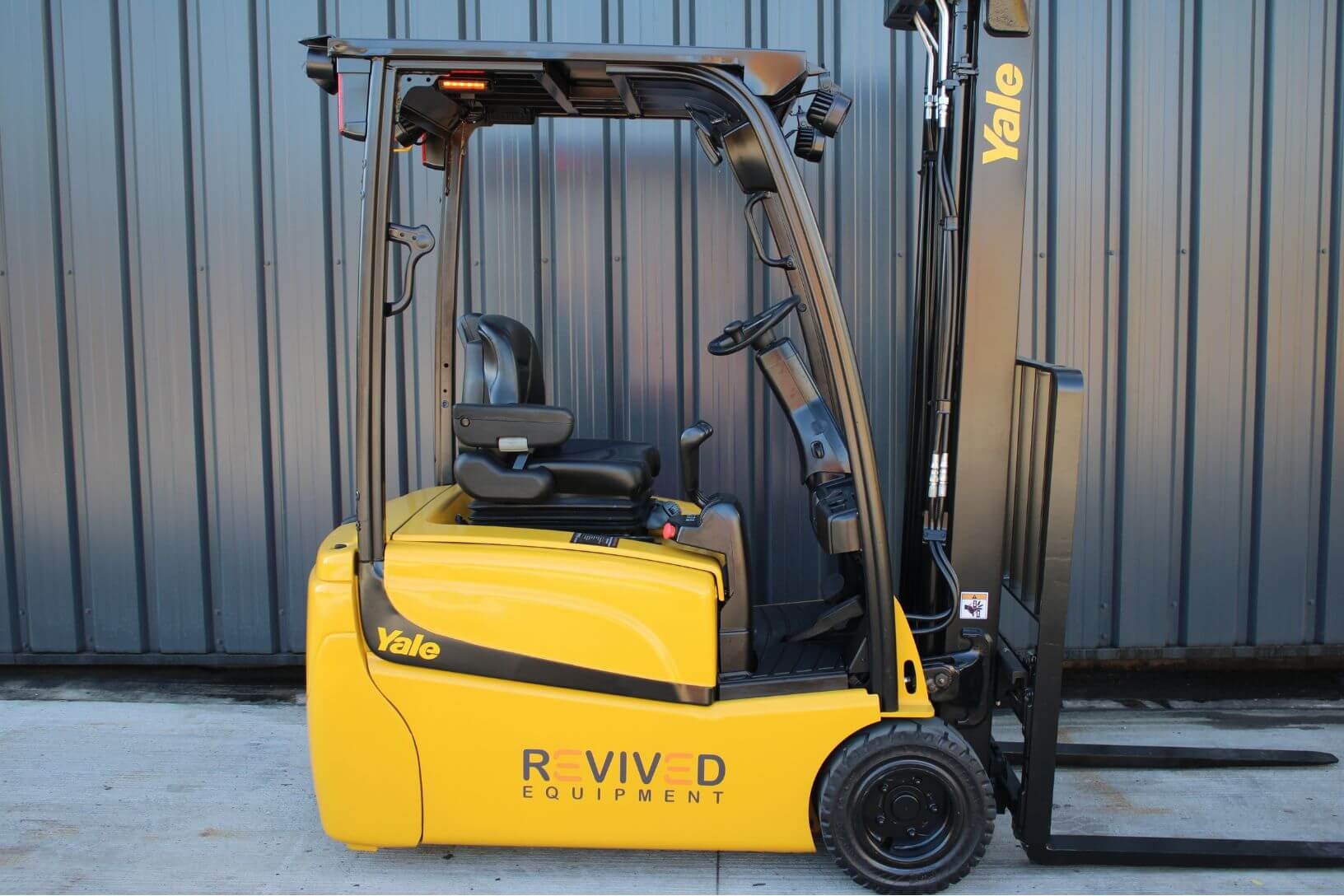
Yes, Yale forklifts are considered good, reliable, and durable machines, often ranked among the top material-handling brands for warehouse and industrial use.

You should put distilled or deionized water in a forklift battery. Using purified water is essential to avoid mineral buildup, which can damage battery plates, reduce cell voltage, increase self-discharge, and significantly shorten the battery’s lifespan.
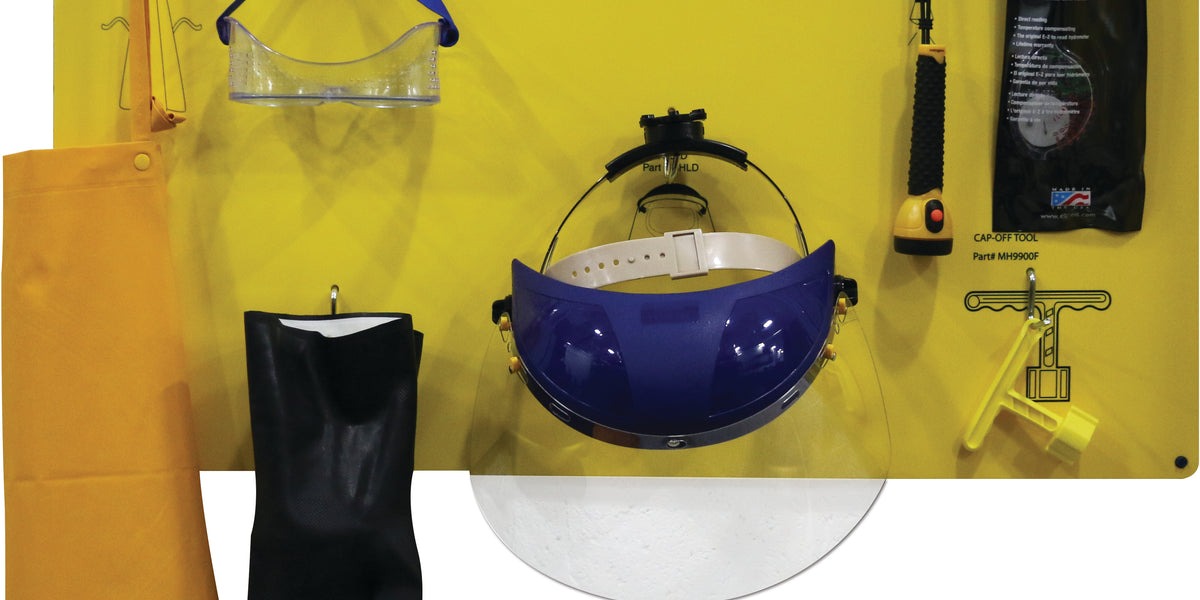
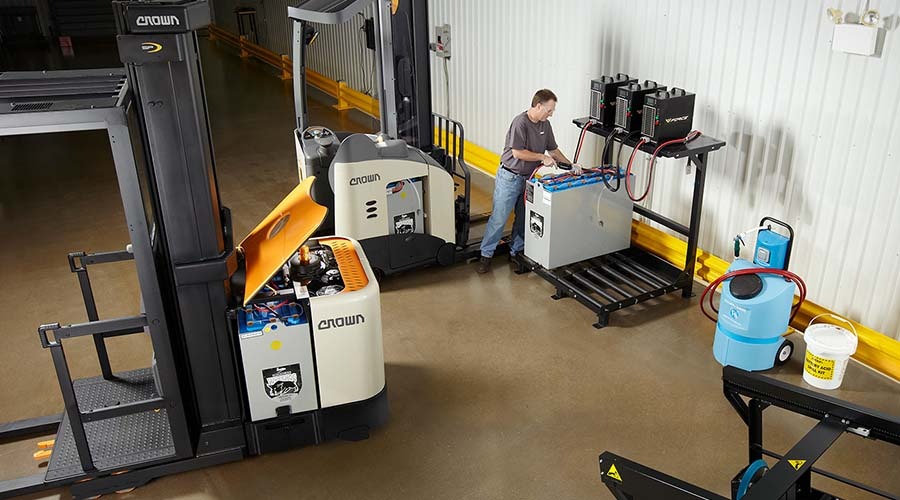
Essential PPE for charging a forklift battery includes acid-resistant face shields, safety goggles, neoprene or rubber gloves, and an acid-resistant apron to protect against sulfuric acid splashes and electrical hazards.
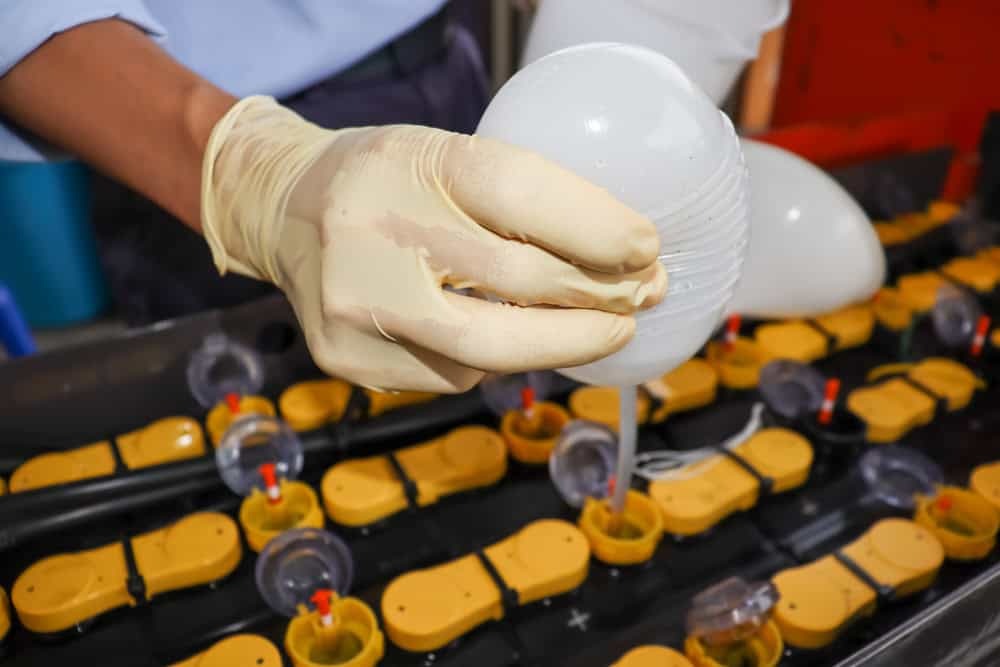
Clean a forklift battery by wearing PPE (gloves, goggles, apron), disconnecting the battery, and applying a mixture of 1 lb baking soda to 1 gallon of hot water to neutralize acid.
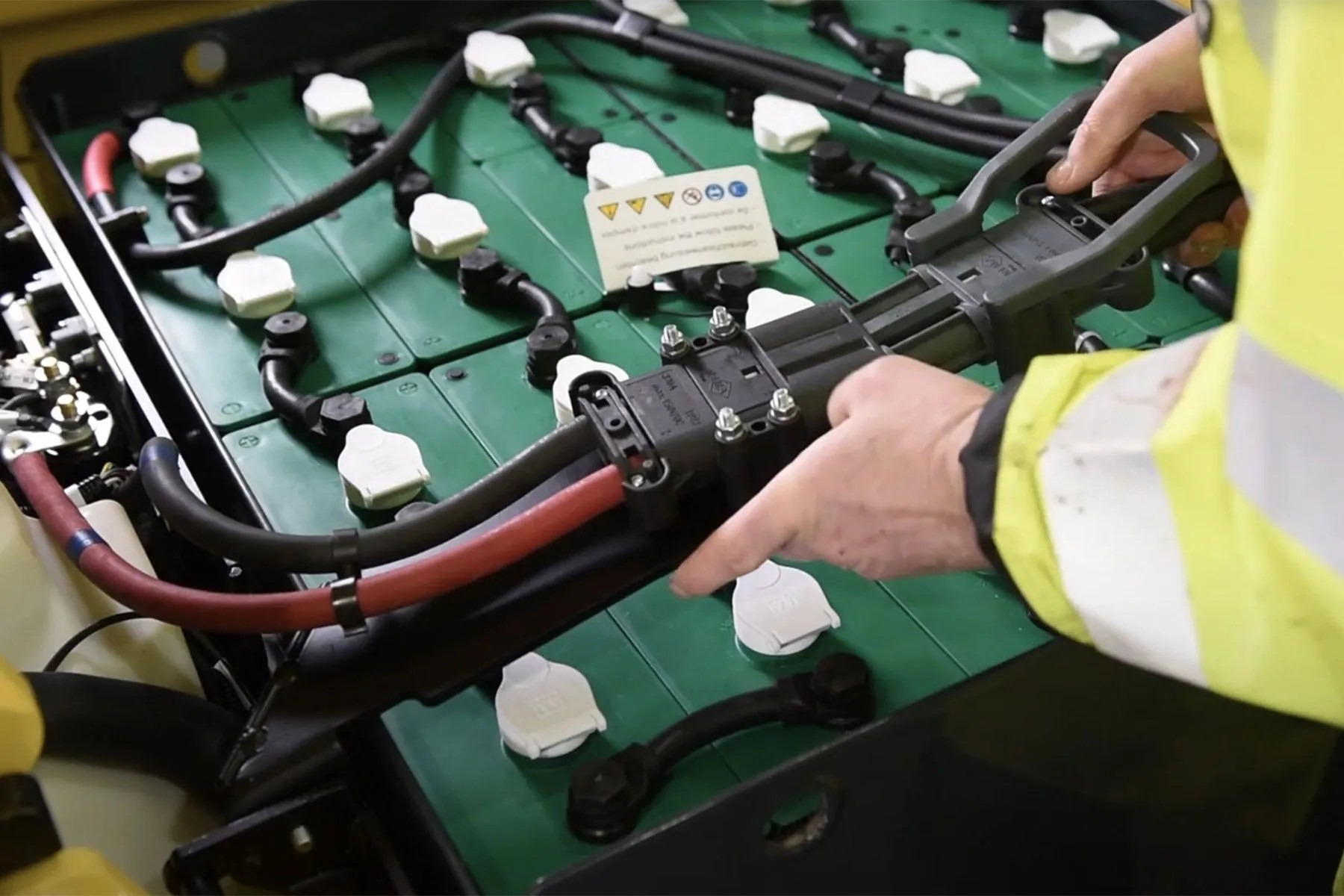
To charge a dead 36 volt forklift battery safely, place it in a well-ventilated area, check water levels (top off only if plates are exposed), and connect a compatible 36-volt charger directly to the battery—not the forklift.
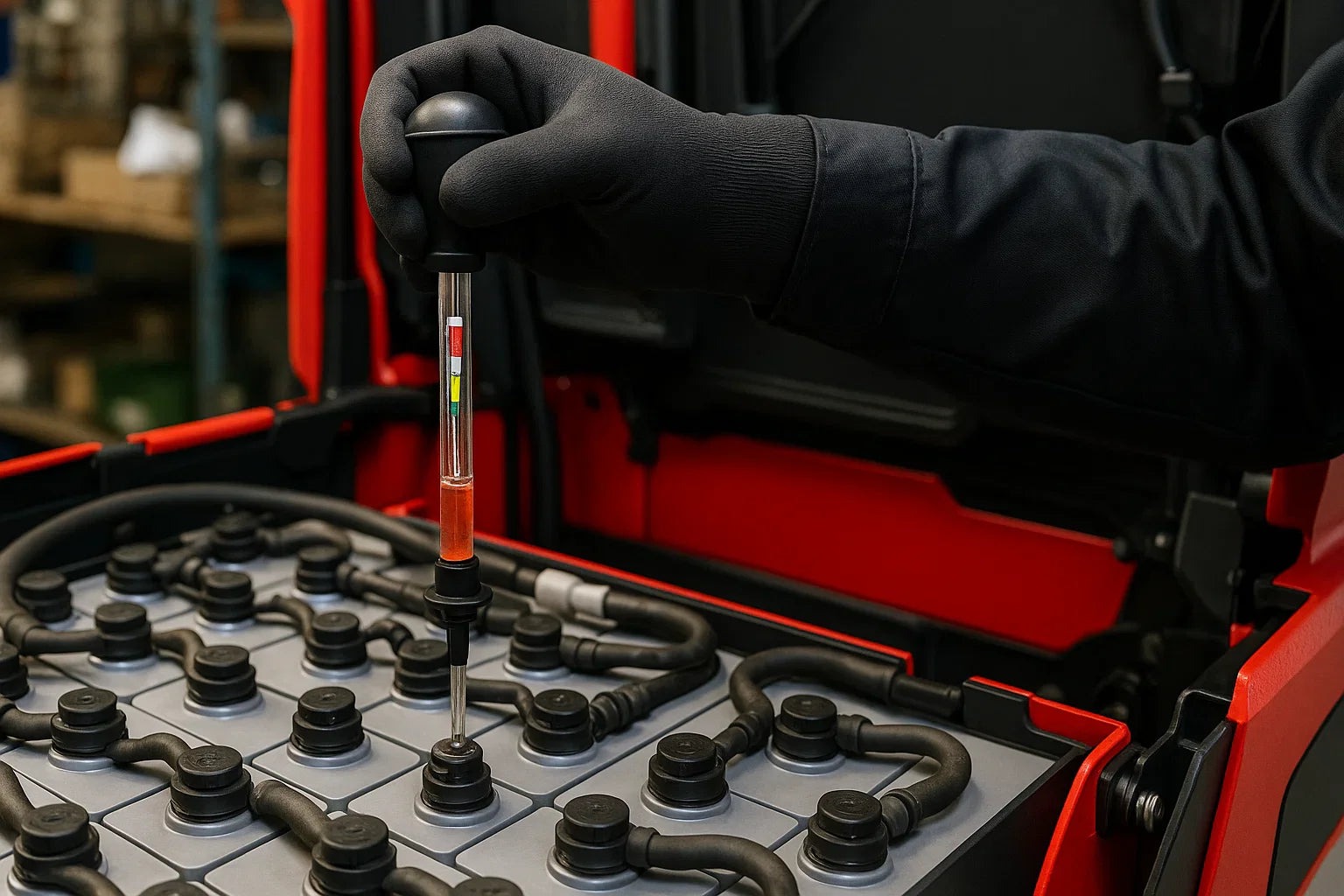
A forklift battery typically operates at 24V, 36V, 48V, or 80V — and choosing the right voltage directly impacts productivity, safety, and total cost of ownership.
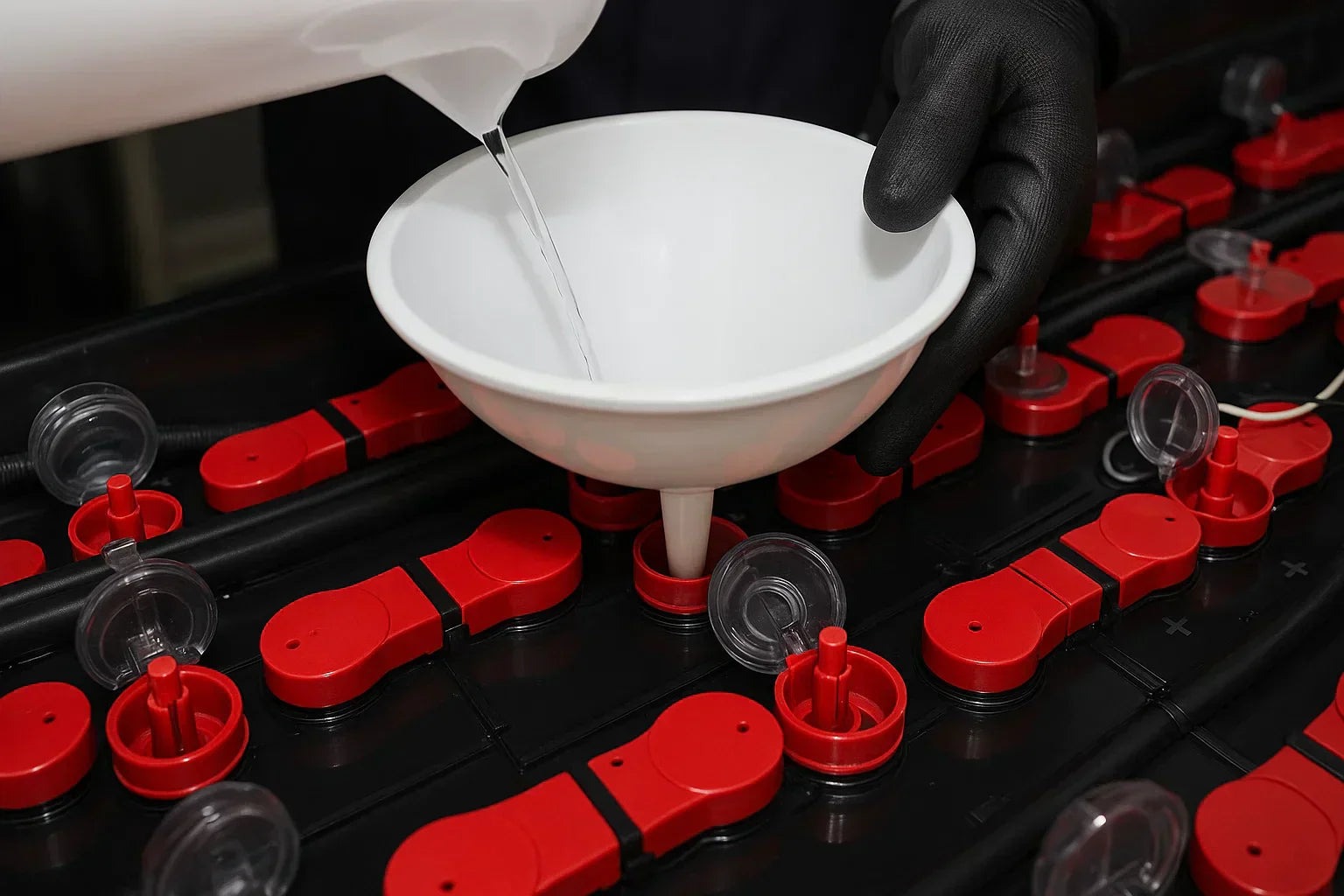
Forklift batteries strictly require distilled or deionized water for maintenance. Using tap water introduces minerals like calcium and magnesium that cause scaling, sulfation, and corrosion, which significantly reduce battery life and performance.
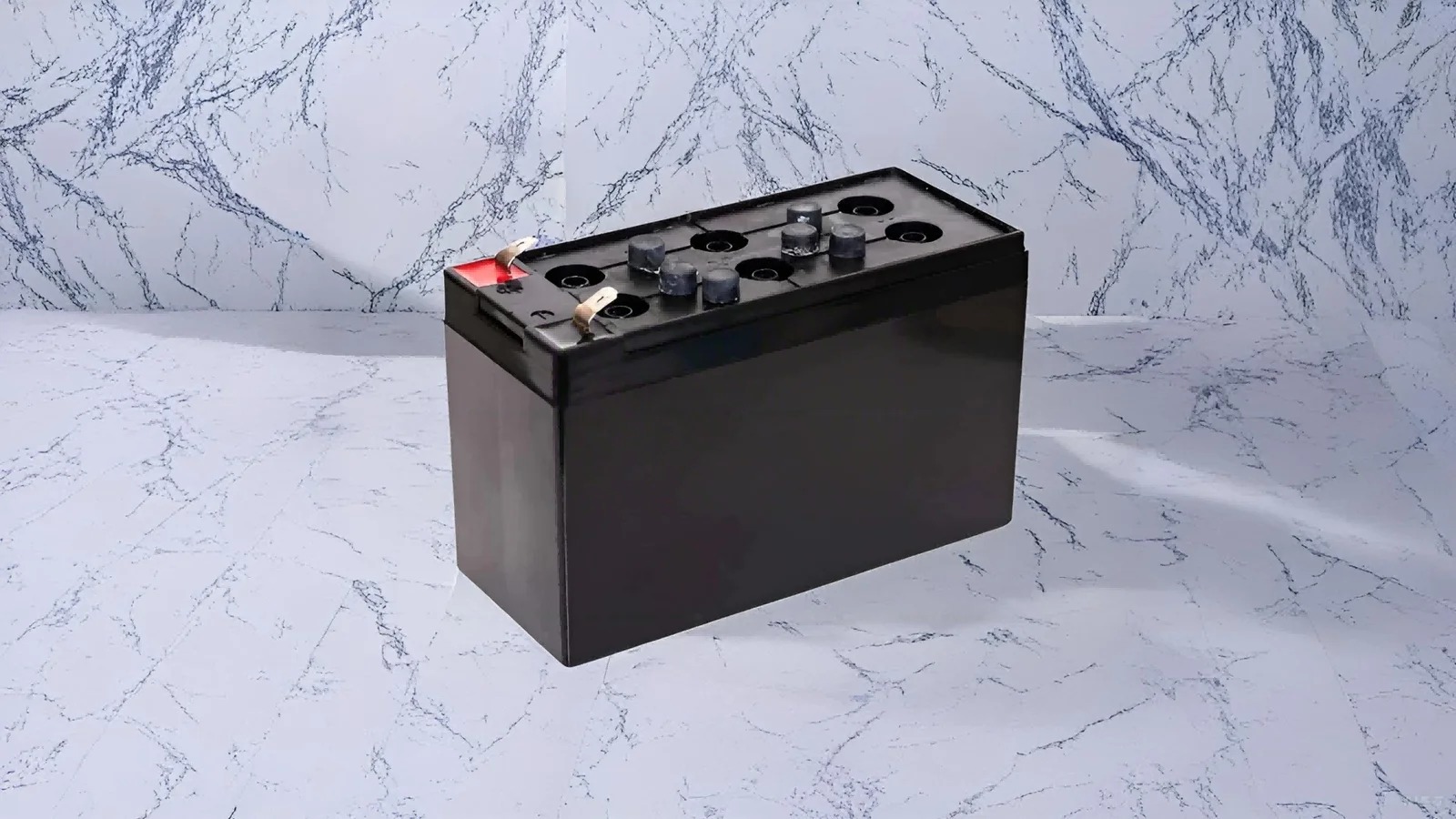
Forklift batteries are considered hazardous materials (HAZMAT) due to the sulfuric acid, heavy metals, and explosive hydrogen gas they contain.
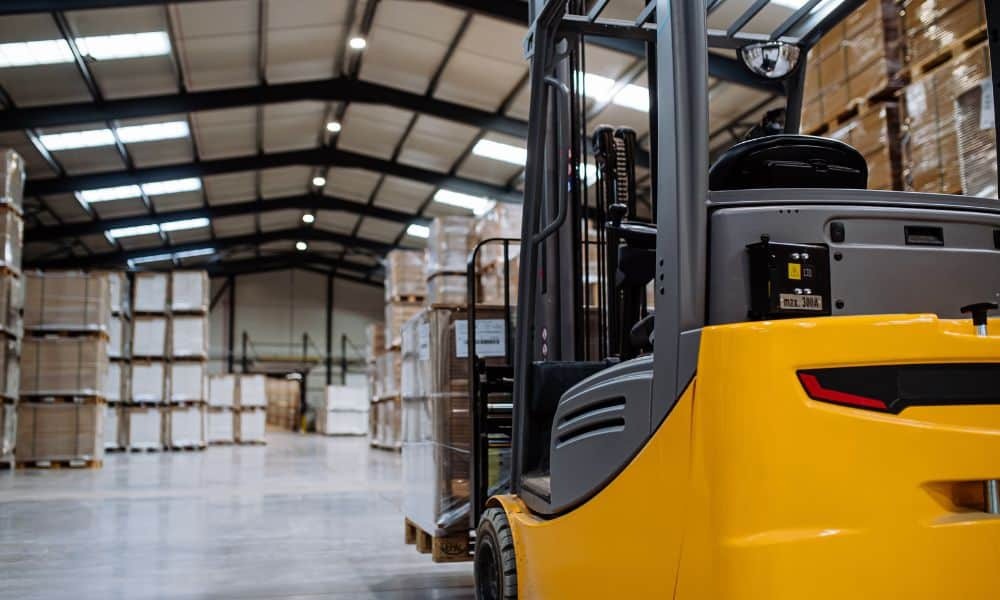
Forklift batteries generally last 5–7 years (approx. 1,500 cycles) for lead-acid and 10+ years (3,000+ cycles) for lithium-ion with proper maintenance.
Forklift batteries (specifically wet/flooded lead-acid) should generally be equalized once a week, or every 5–10 charging cycles, to prevent sulfation and stratification.