How Much Does a Toyota Forklift Weigh?
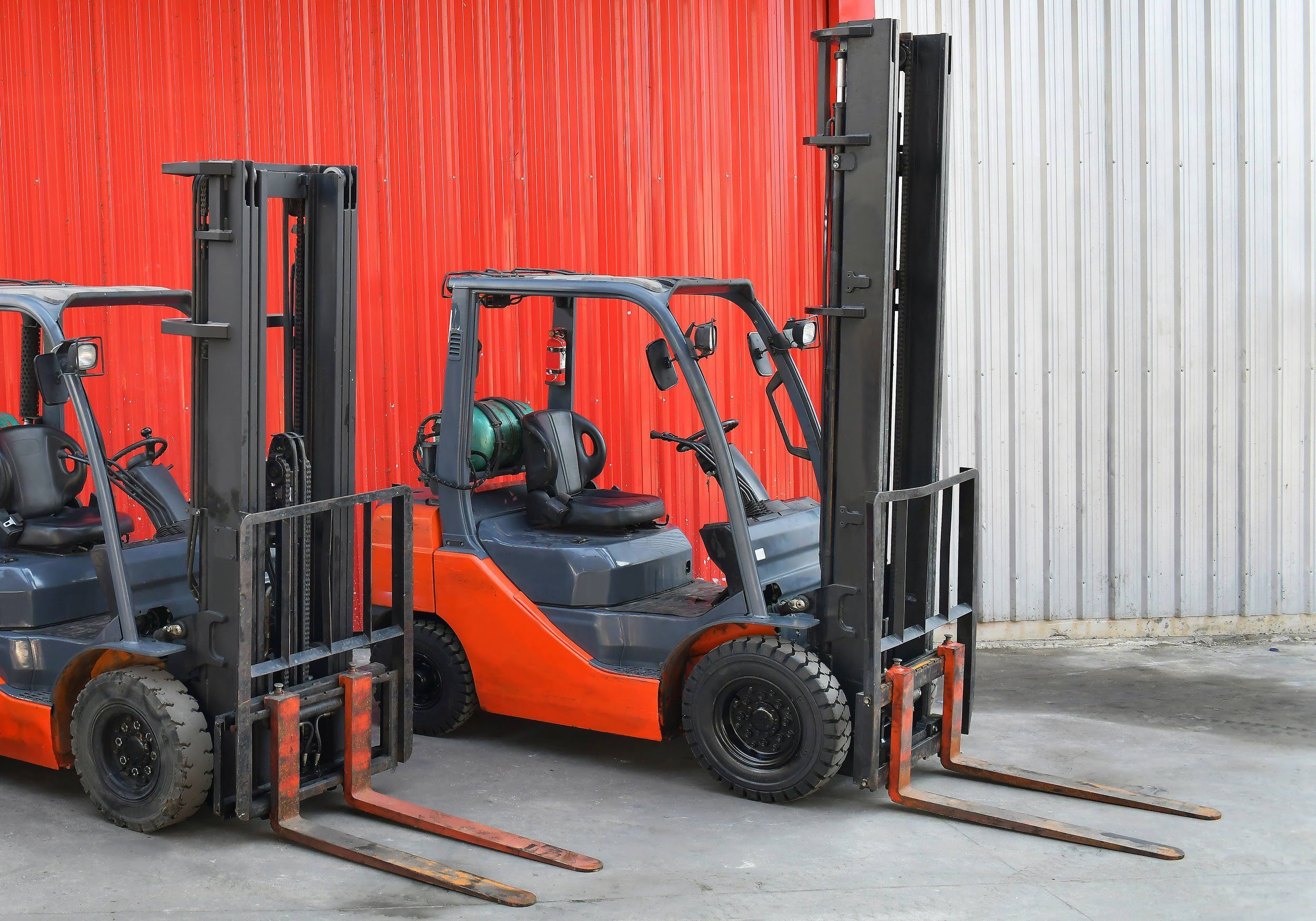
A standard Toyota forklift typically weighs between 6,000 and 10,000 lbs, with common 5,000-lb capacity models (like the 8FGU25) weighing approximately 7,800 to 8,600 lbs.
Reading a golf cart charger involves checking its LED lights or voltage display: solid green generally indicates a full 100% charge, while red or flashing lights signify charging in progress or errors.
Yes, lead-acid golf cart batteries commonly make gurgling, bubbling, or humming noises while charging, especially during the final phase.
New golf cart batteries usually come with a partial charge of roughly 70–75%.
Technically, you can replace just one golf cart battery, but it is not recommended. Mixing a new battery with old, used batteries causes imbalances, leading to poor performance, longer charge times, and significantly shortened lifespan for the new battery.
No, lead-acid golf cart batteries do not emit carbon monoxide, but they produce hydrogen gas while charging, which can trigger carbon monoxide detectors.
Yes, battery-powered electric forklifts use the heavy battery itself as a primary component of their counterweight, often weighing between 800 and 6,000 lbs, to maintain balance while lifting heavy loads.
Yes, forklift batteries frequently bubble (or “gas”) while charging, particularly toward the end of the charging cycle when voltage exceeds 2.30 volts per cell.
Yes—you can connect two forklift batteries, but only with strict safety and compatibility rules to prevent damage, overheating, and costly electrical failures.
Yes, battery-operated (lead-acid) forklifts can cause breathing problems and severe respiratory irritation, particularly during the charging process. While electric forklifts have no tailpipe emissions, lead-acid batteries release hydrogen, oxygen, and acidic fumes that can settle at ground level, causing throat irritation, coughing, and, with long-term exposure, serious respiratory damage.

The most dangerous time for breathing problems is during and immediately after charging lead-acid forklift batteries. As the battery charges, electrolysis breaks water into hydrogen and oxygen gases. These gases, along with sulfuric acid mist, are released through the vent caps. Hydrogen is lighter than air and rises, but in poorly ventilated areas it can accumulate near ceilings and create explosion risks. Acid mist is heavier and tends to stay at breathing height, directly irritating lungs and mucous membranes. Workers who spend hours near charging stations without proper ventilation frequently report sore throats, coughing, headaches, and eye irritation.
Although pure hydrogen is the main gas, overcharging or damaged cells can produce trace hydrogen sulfide (H₂S), which smells like rotten eggs and is highly toxic even at low concentrations. Prolonged exposure damages the respiratory tract and can cause pulmonary edema.
Sulfuric acid mist forms tiny droplets that are easily inhaled. These droplets burn the lining of the nose, throat, and lungs, leading to chronic bronchitis-like symptoms in workers who are repeatedly exposed without respiratory protection.
Many older warehouses have inadequate charging room ventilation. OSHA requires at least 1 cubic foot of fresh air per minute per square foot of charging area. When ventilation is poor, gases concentrate and create hazardous breathing zones at floor level where operators and pedestrians work.
Forklift batteries present multiple serious hazards beyond respiratory irritation:
Proper ventilation, PPE, and training are essential to mitigate these risks.
To protect workers:
Battery-operated forklifts can indeed cause breathing problems, mainly from hydrogen gas and sulfuric acid mist released during charging of lead-acid batteries. While electric forklifts eliminate tailpipe emissions, the charging process introduces its own respiratory hazards if ventilation is inadequate. Transitioning to lithium-ion forklift batteries dramatically reduces these risks because they produce virtually no hazardous gases. Proper engineering controls, PPE, and training are essential for any facility still using lead-acid batteries.