How Often Should You Equalize a Forklift Battery?
Forklift batteries (specifically wet/flooded lead-acid) should generally be equalized once a week, or every 5–10 charging cycles, to prevent sulfation and stratification.

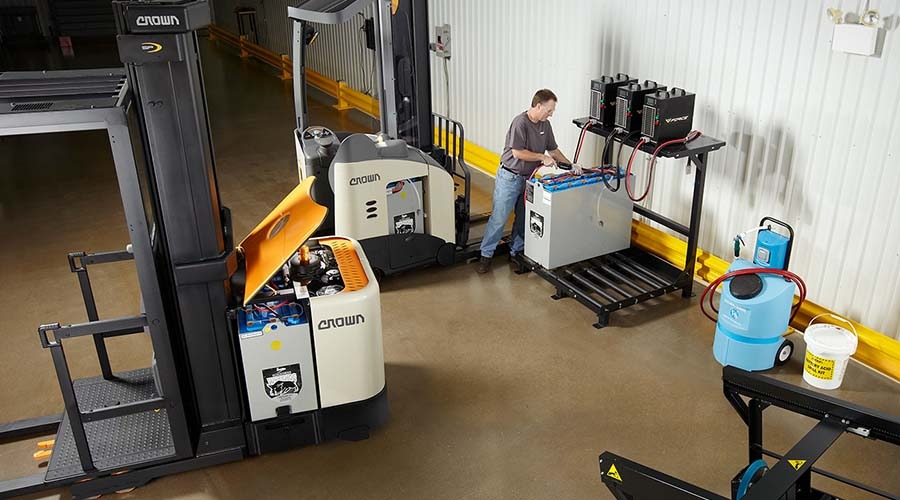
Forklift batteries (specifically wet/flooded lead-acid) should generally be equalized once a week, or every 5–10 charging cycles, to prevent sulfation and stratification.
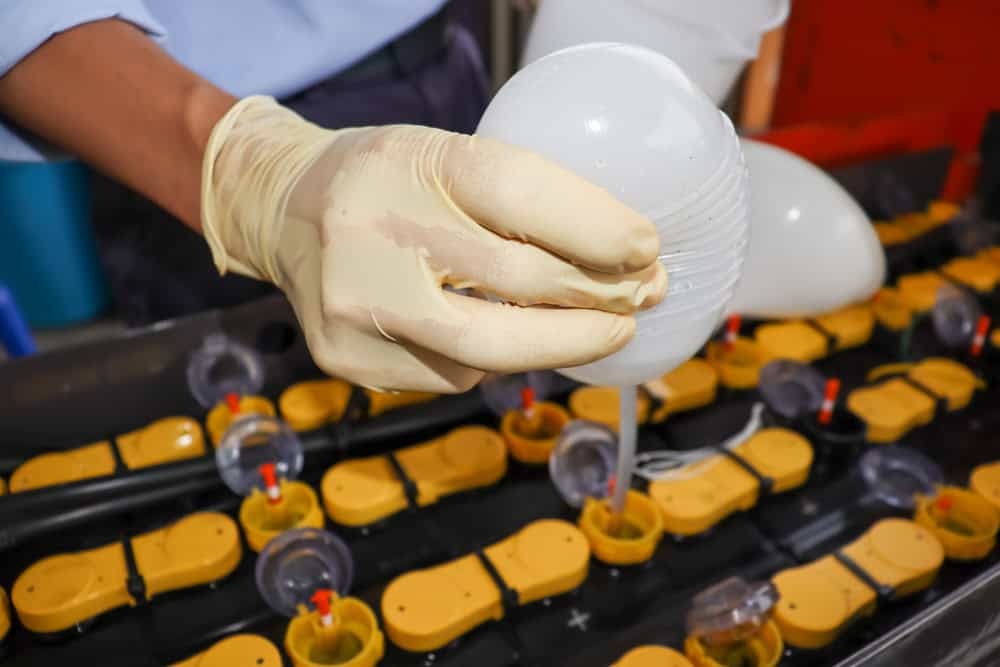
Forklift batteries typically contain about 20% to 35% sulfuric acid by weight in their electrolyte solution (a mix of water and acid).
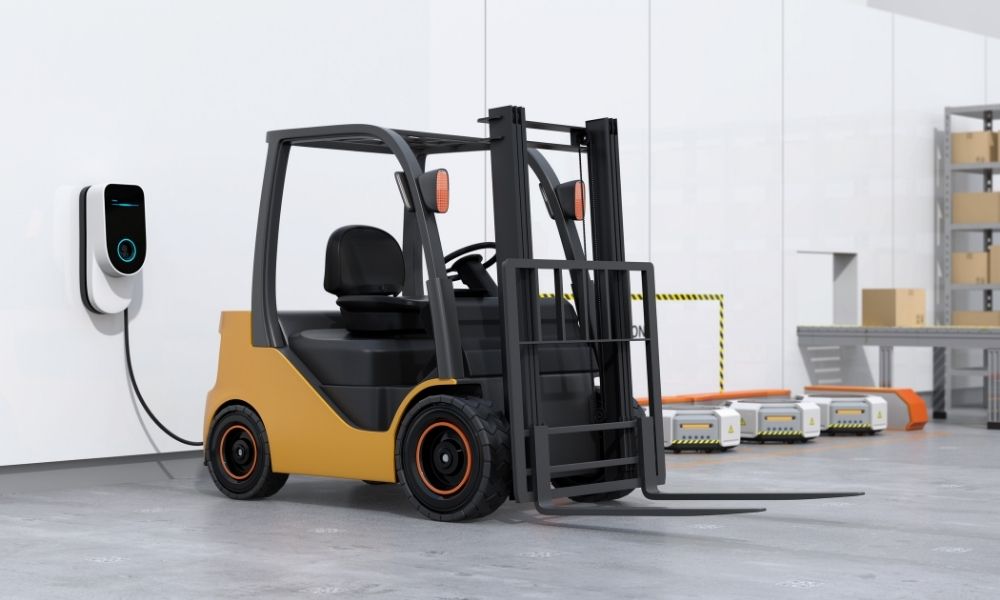
Forklift batteries typically take 8 to 12 hours to fully charge and require an additional 8 hours to cool down for traditional lead-acid types.
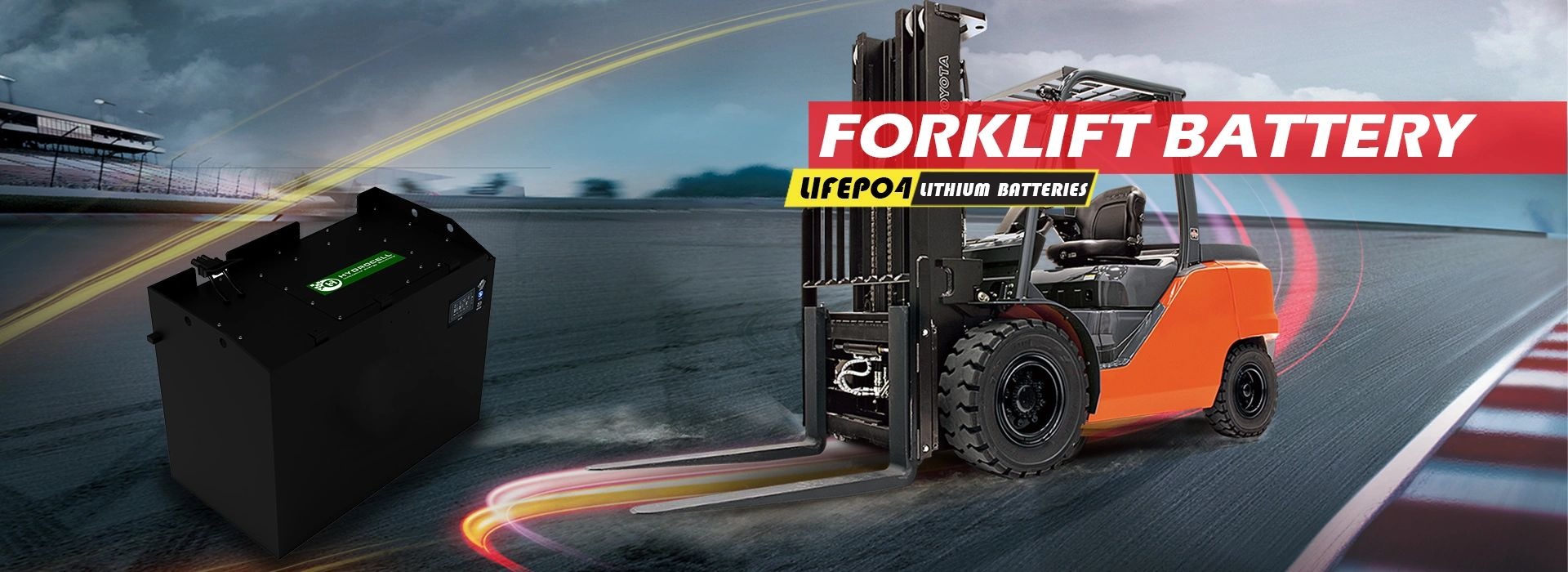
Forklift batteries generally last 5–7 years (approx. 1,500 cycles) for lead-acid and 10+ years (3,000+ cycles) for lithium-ion with proper maintenance.
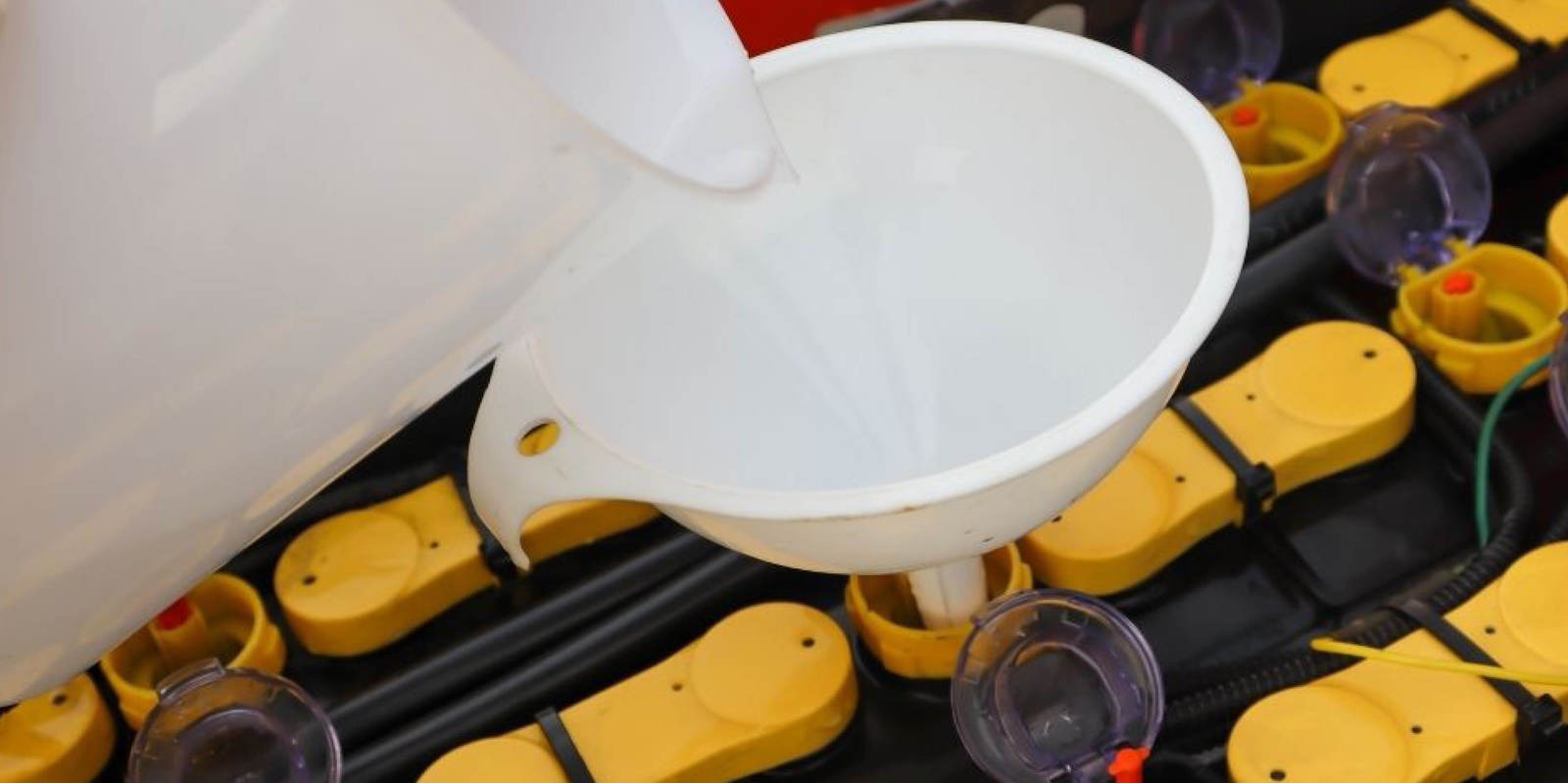
You should add water to a forklift battery only after it has been fully charged, when it is cool, and typically every 5 to 10 charging cycles. Adding water before charging risks dangerous acid overflow, as electrolyte levels rise during the charging process. Following this rule prevents spills, corrosion, and permanent battery damage.
Forklift batteries, especially traditional flooded lead-acid types, require regular watering to keep the electrolyte at the proper level. However, the timing of when you add water is extremely important. During charging, the electrolyte expands and bubbles. If you add water before charging, the level can rise too high and overflow, causing acid spills, corrosion on the battery tray, and reduced battery life. Adding water after a full charge, when the battery has cooled down, ensures the electrolyte is at its normal level and prevents these problems.
The standard rule is simple: **always add water after the battery has been fully charged and has cooled down**. This is the safest and most effective time. After charging, the electrolyte has expanded and mixed properly. Once the battery cools (usually 30–60 minutes after charging ends), check the water level in each cell and add distilled water only if needed. Never add water to a hot battery or before charging unless the plates are completely exposed.
There is one important exception. If the battery plates are exposed (dry and not covered by electrolyte), add just enough distilled water to cover the plates before charging. This prevents damage during the charging cycle. After the battery is fully charged and cooled, complete the watering to the correct level. This two-step process is critical for batteries that have been left discharged or in storage for long periods.
Check water levels every 5 to 10 charging cycles or at least once per week during heavy use. In hot climates or with heavy daily operation, you may need to check more frequently. Under normal warehouse conditions, monthly checks are often sufficient for lightly used equipment. Always check after charging — never before. Keeping a log of watering dates helps maintain consistency and prevents under- or over-watering.
Always use distilled or deionized water when topping off forklift batteries. Tap water contains minerals and impurities that can damage the battery plates and reduce performance over time. These minerals build up on the plates and cause premature failure. Distilled water is inexpensive and widely available at most hardware stores and auto parts retailers. Keep a supply on hand and never substitute with regular water.
Working with forklift batteries requires strict safety measures. Always wear acid-resistant gloves, safety goggles, and protective clothing. Work in a well-ventilated area. Have a baking soda and water solution nearby to neutralize spills. Never smoke or use open flames near batteries. If acid contacts skin or eyes, rinse immediately with plenty of water and seek medical attention. Proper personal protective equipment (PPE) prevents serious chemical burns.
Fill each cell to the correct level — usually just below the bottom of the vent cap or to the manufacturer’s marked line. The plates must be fully covered, but overfilling causes electrolyte to overflow during charging, leading to corrosion and reduced battery life. Underfilling exposes plates to air, causing sulfation and permanent damage. Using an automatic battery watering system can help maintain the perfect level and reduce labor while preventing both under- and overfilling.
Failing to add water when needed is one of the fastest ways to destroy a forklift battery. Exposed plates oxidize and sulfate, permanently reducing capacity. The battery will overheat during charging, lose water faster, and eventually fail. In extreme cases, dry plates can warp or crack, requiring complete battery replacement. Regular watering is essential maintenance that directly affects the lifespan and performance of your forklift batteries.
Adding water to a forklift battery is a simple but critical maintenance task. Always add distilled water after a full charge when the battery is cool. Check levels every 5–10 cycles or weekly during heavy use. Follow safety procedures, use the correct water type, and never overfill. Proper watering extends battery life, maintains performance, and prevents costly early replacements.
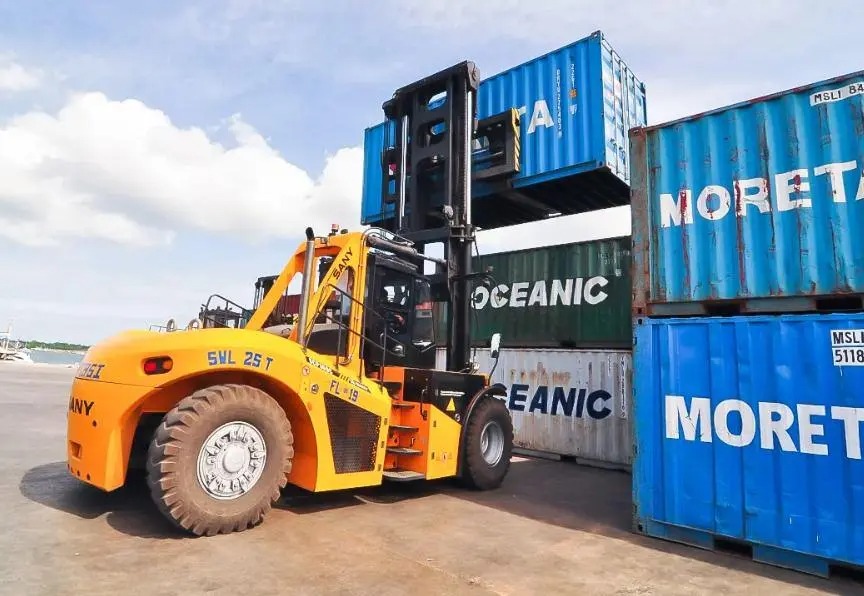
Forklift batteries typically weigh between 1,000 and 4,000 pounds, acting as a crucial counterweight for the machine.

Installing new batteries should bring a noticeable boost in speed and power — but sometimes the opposite happens.
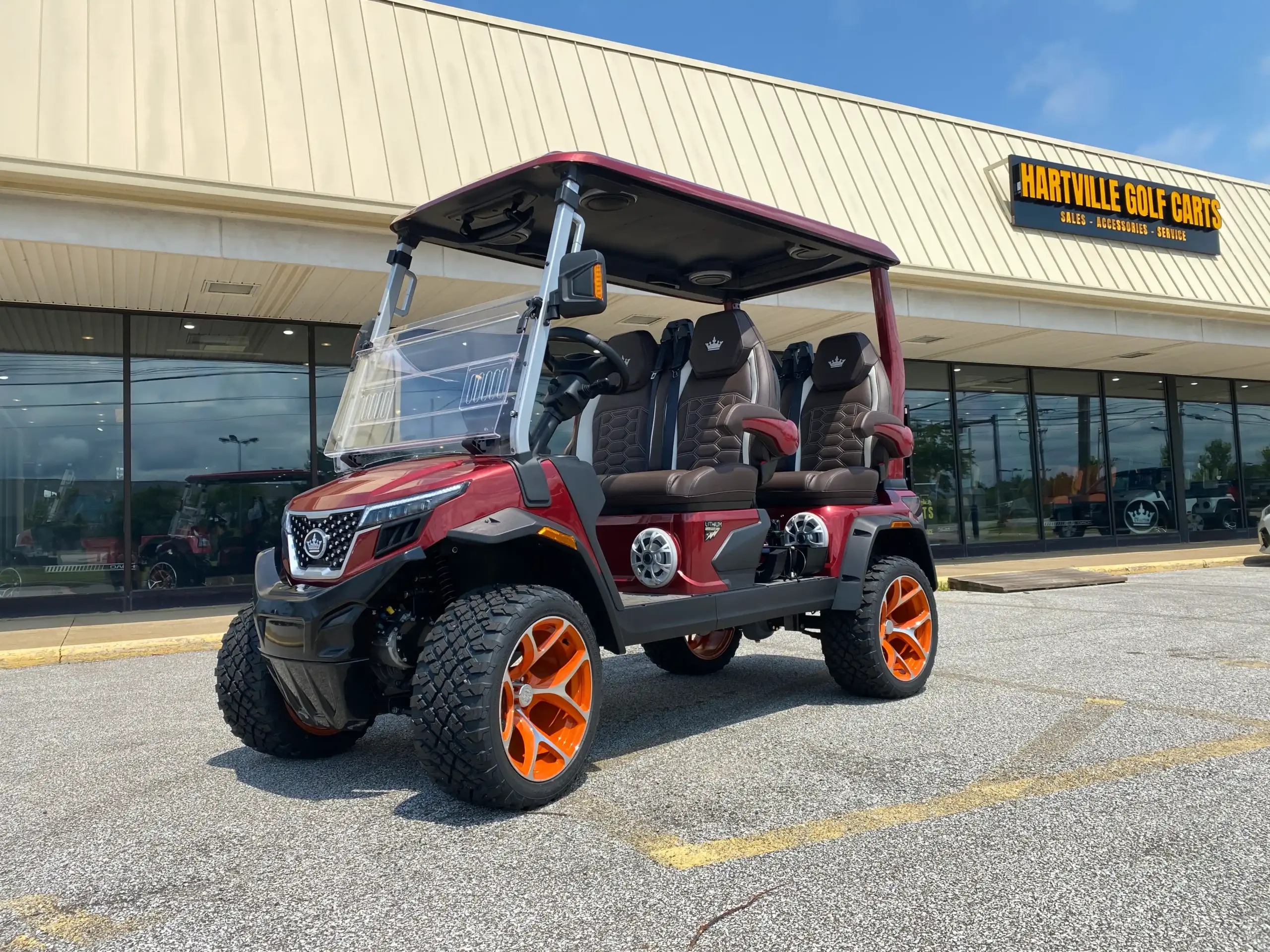
Lithium golf cart batteries are known for their impressive lifespan and efficiency, making them a top choice for performance-focused owners looking for long-term value.
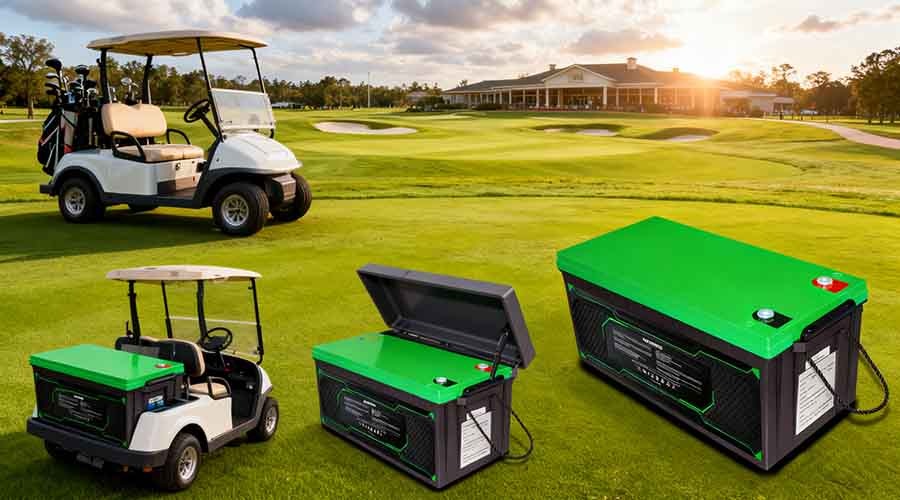
Yes, you can overcharge golf cart batteries — especially traditional lead-acid types — which damages internal plates, causes excessive gassing, and dramatically shortens lifespan.
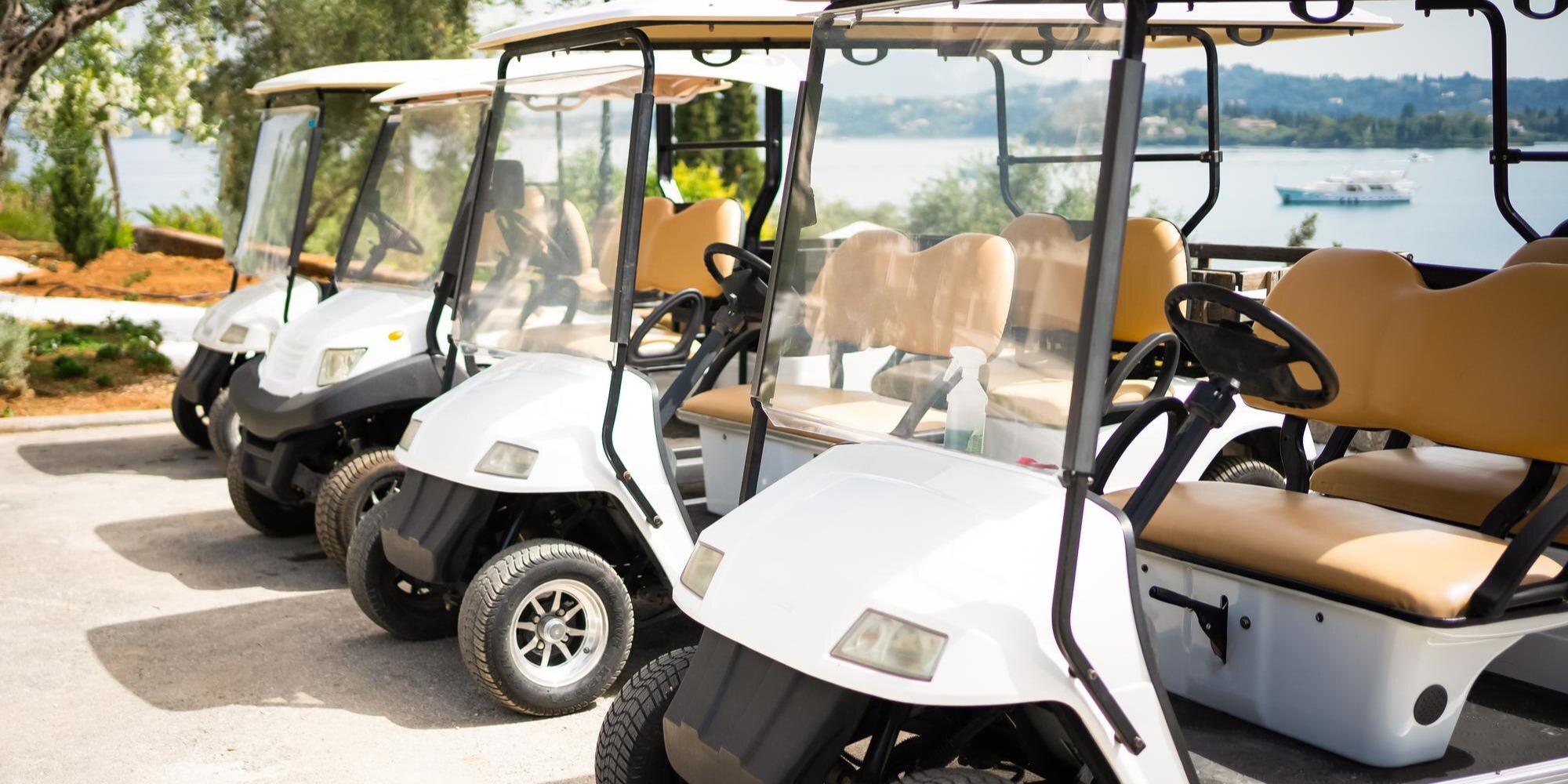
The best golf cart batteries for 2026 are dominated by lithium (LiFePO4) for their longevity, lighter weight, and faster charging, with top brands being Eco Battery, hydrocell, RELiON, and Dakota Lithium.