

What Type of Water for Forklift Battery?
You should put distilled or deionized water in a forklift battery. Using purified water is essential to avoid mineral buildup, which can damage battery plates, reduce cell voltage, increase self-discharge, and significantly shorten the battery’s lifespan. Tap water contains impurities that cause these issues.
Why Only Purified Water Is Safe for Forklift Batteries
Forklift batteries are flooded lead-acid systems that rely on a precise mixture of sulfuric acid and water as electrolyte. Any minerals, salts, or impurities introduced into the cells will plate onto the lead plates over time. This buildup increases internal resistance, reduces capacity, accelerates self-discharge, and shortens overall battery life. Tap water — even if it looks clean — contains calcium, magnesium, chlorine, and other dissolved solids that cause these problems. Distilled or deionized water is the only acceptable choice because it is 99.9% pure and free of these contaminants.
Best Water: Distilled vs Deionized
Both distilled and deionized water are safe, but they differ slightly. Distilled water is produced by boiling and condensing steam, removing nearly all minerals and impurities. Deionized water is purified through ion-exchange resins that remove charged particles. For forklift batteries, either works well. Deionized water is often preferred in large fleets because it is cheaper in bulk and has extremely low conductivity. Distilled water is widely available at auto parts stores and is the most common recommendation from battery manufacturers. Never use “purified” or “spring” water from grocery stores — these still contain trace minerals.
When to Water and How Much to Add
Always add water after the battery has been fully charged and cooled. During charging, electrolyte levels rise and gas is produced. Adding water before charging can cause dangerous overflow and acid spills. After charging, open each cell cap and check the level. Add enough purified water to cover the plates and reach approximately ¼ inch above the plastic element protector (or to the manufacturer’s marked line). Do not overfill — excess water will boil out during the next charge cycle and cause corrosion on the tray and connections. Most cells need only a few ounces per watering.
Why Not Tap Water?
Tap water contains dissolved minerals that accumulate on the battery plates, forming an insulating layer. This layer increases resistance, reduces voltage output, and causes the battery to work harder, generating more heat and shortening its life. In severe cases, mineral buildup leads to sulfation and permanent capacity loss. Even city water that meets drinking standards is harmful to lead-acid batteries. Using tap water once may not destroy the battery immediately, but repeated use will noticeably reduce runtime and require earlier replacement.
Is Distilled or Deionized Water Better for Batteries?
Both are excellent, but deionized water has a slight edge for industrial use because it is produced in larger volumes at lower cost and has virtually zero conductivity. Distilled water is equally pure and easier for individual operators to obtain. The difference in performance between the two is negligible when used correctly. The important rule is consistency — never mix types and never substitute with any other water. Both options prevent mineral buildup far better than tap water and help batteries reach their full 5–7 year lifespan with proper care.
How to Fill a Forklift Battery with Water?
Follow these safe steps every time:
- Charge the battery completely and let it cool for at least 30 minutes.
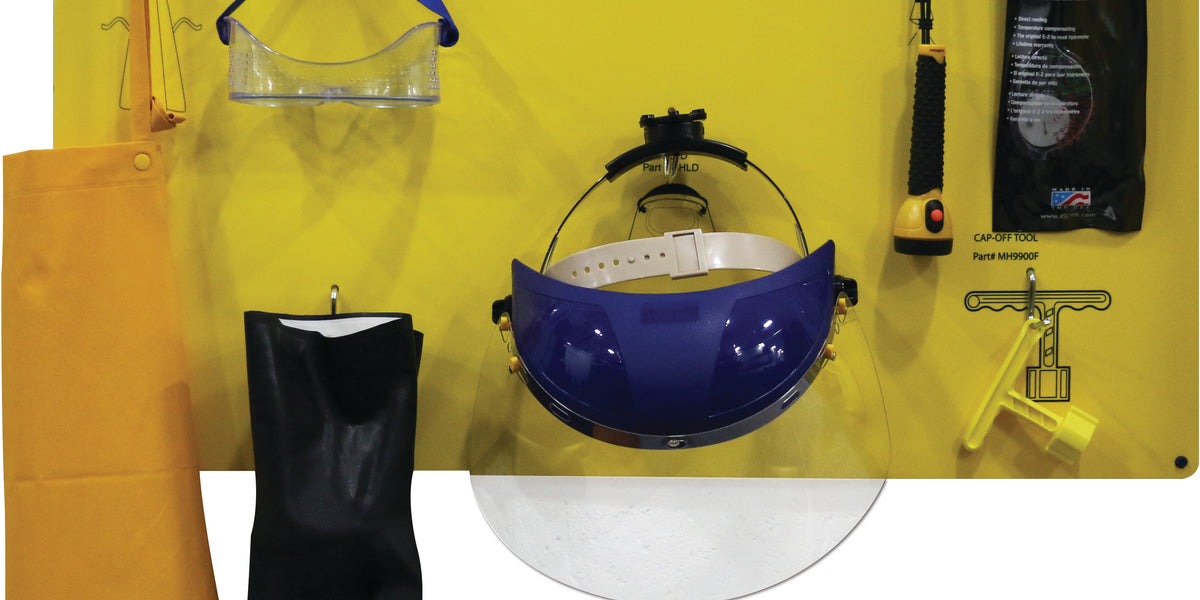
- Wear full PPE (acid-resistant gloves, goggles, apron).
- Remove the cell caps carefully.
- Check each cell — plates must be covered.
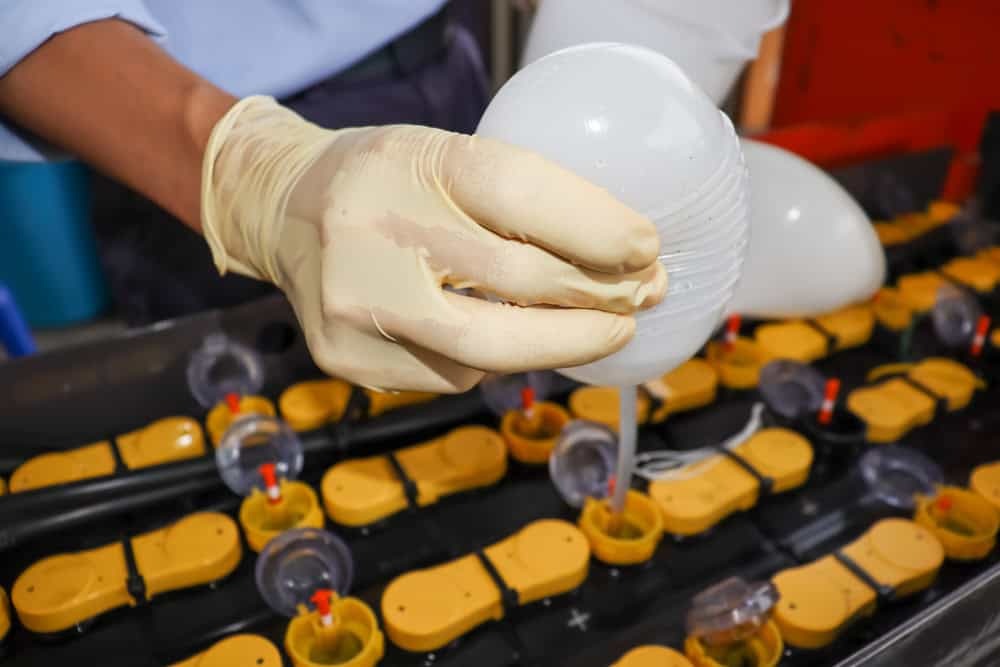
- Use a battery filler bottle or hose with a shut-off valve to add distilled or deionized water slowly until the level reaches the proper mark (usually ¼ inch above the protector).
- Replace the caps tightly.
- Wipe any spills immediately with a baking-soda solution.
Perform this check monthly during normal use and weekly during heavy operation. Keep a supply of purified water and a dedicated filler tool nearby to make the task quick and safe.
Conclusion
Only distilled or deionized water should ever be added to a forklift battery. Using these purified types prevents mineral buildup, protects the plates, maintains voltage, and extends battery life significantly. Tap water may seem convenient, but it causes irreversible damage over time. By following the correct timing (after charging), adding the right amount, and using the proper water every time, you protect your investment and keep your fleet running safely and efficiently. Regular watering combined with proper cleaning and scheduled service is the foundation of long-lasting forklift battery performance.
Add a review
Your email address will not be published. Required fields are marked *