
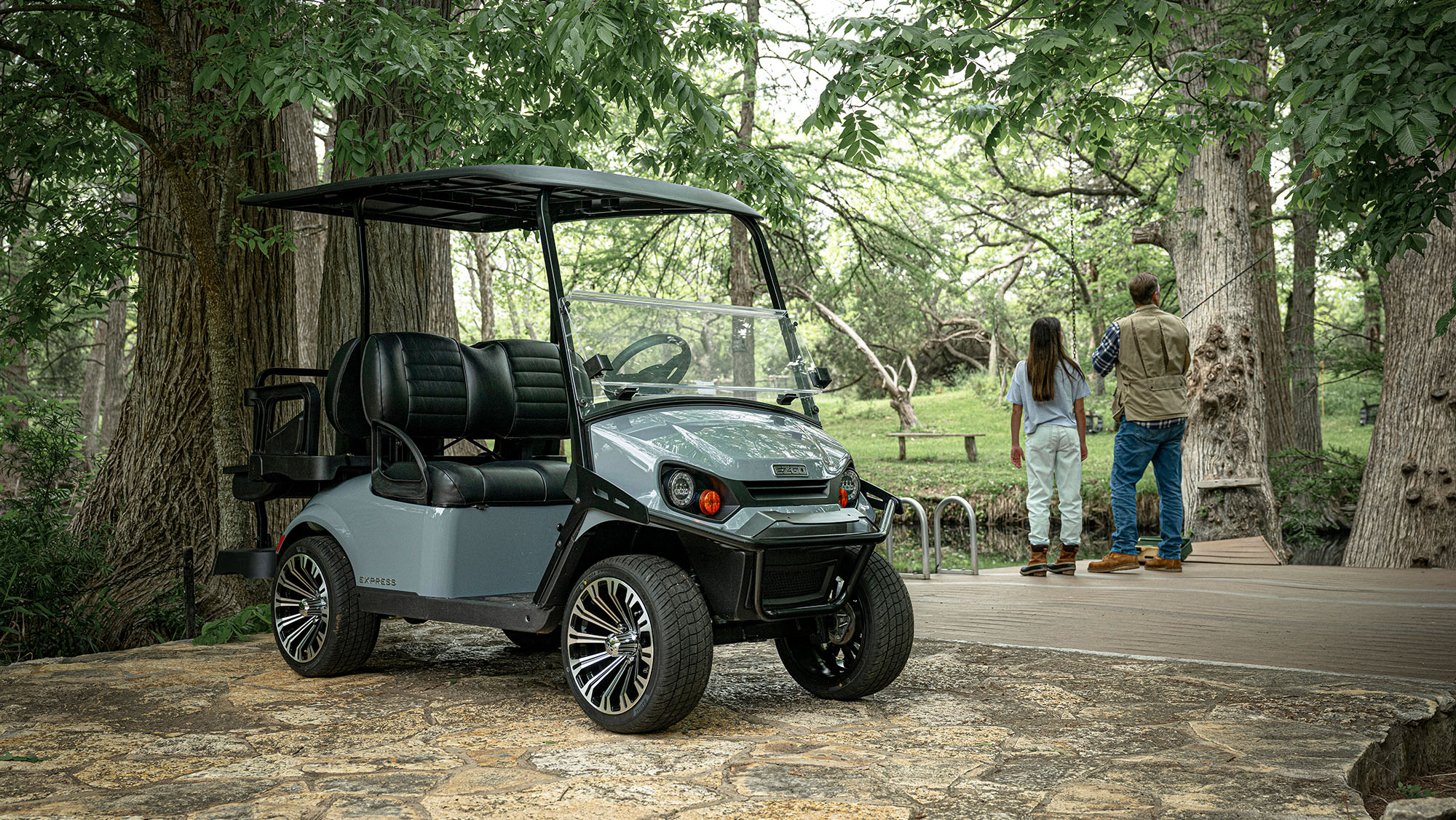
New EZGO Controller: Price Guide, Features, and Smart Buying Tips
Pricing a new EZGO controller? This guide breaks down real-world costs, feature upgrades, and buying tips—so your golf cart gains smoother power, speed, and reliability.
How Much Does a New EZGO Controller Cost?
The cost of a new EZGO controller varies by platform, amperage, and features. As a quick rule of thumb, a basic replacement typically falls in the $200–$400 range. Move up to advanced options with app/Bluetooth tuning, fine throttle mapping, or regenerative controls, and pricing often lands at $450–$600+. High-output systems designed for performance builds (heavy loads, hills, or larger tires) can sit above that, especially when bundled with cables, a heavy-duty solenoid, and installation hardware.
| Tier | Typical Use | Estimated Price (USD) | Notes |
|---|---|---|---|
| Basic replacement DC controller | Stock carts, like-for-like swap | $200–$400 | Minimal features; restores factory behavior |
| Advanced/programmable DC controller | Stronger hill torque, refined response | $450–$600+ | Profiles, Bluetooth/app, regen tuning (platform-dependent) |
| Premium/high-amp packages | Performance builds, heavy duty use | $600–$900+ (often as kits) | May include cables, solenoid, harnesses; sometimes motor upgrades |
What Factors Influence the Cost of a New EZGO Controller?
- Platform compatibility: EZGO setups vary (series DC, sepex DC, or AC). Controllers must match motor type, throttle sensor style, and wiring harnesses. AC systems and sepex units often carry higher cost than basic series replacements.
- Amperage rating: Higher continuous/peak amps cost more but deliver better hill pull and acceleration. Consider your terrain, payload, and tire size.
- Features & tuning: Bluetooth/app control, adjustable throttle curves, speed/regen profiles, and diagnostics add convenience—and dollars.
- Bundled hardware: Kits that include 2–4 AWG cables, a heavy-duty solenoid, and mounting plates are pricier upfront but reduce installation time and bottlenecks.
- Battery type & health: High-amp controllers shine with robust packs (healthy lead-acid or lithium). If you’re upgrading the pack, the matched controller cost may rise to take advantage of the extra current.
- Warranty & support: Longer warranties, authorized tech help, and documented tuning tools typically raise sticker price but lower risk.
- Brand & availability: Established brands and low-lead-time inventory often cost more than generic units with uncertain provenance.
Where Should You Purchase a New EZGO Controller to Ensure Quality?
- Manufacturer-authorized dealers/distributors: Best bet for correct part numbers, firmware, and warranty. They’ll verify series vs sepex vs AC and the right throttle input (e.g., ITS or potentiometer).
- Reputable local cart dealers: Useful for on-site diagnosis, proper programming, and post-install support. Ask for printed specs and warranty terms.
- Trusted e-commerce suppliers: Choose vendors that publish real compatibility charts, amperage ratings, return policies, and technical documentation.
Tip: Avoid listings that are vague about motor type, throttle input, or harness compatibility. Request the controller’s model/part number and a written warranty before buying.
Smart Sizing & Matching (Quick Checklist)
- Define your goal: More speed, stronger hill torque, or smoother control? Amps primarily affect torque; true top speed also depends on motor rpm, gearing, and tire diameter.
- Audit the pack: Load-test batteries first. A weak pack will mask gains from any controller.
- Right-size wiring: Upgrading to a higher-amp controller? Move to 2–4 AWG cables end-to-end and a solenoid rated to match. Undersized cables become hot, slow, and unsafe.
- Cooling & routing: Mount with airflow, avoid tight wire bends, and protect harnesses from abrasion.
- Brakes & tires: More torque and speed demand healthy brakes and correct tire pressures/alignment.
Installation Best Practices (High-Level)
- Safety first: Park on level ground, chock wheels, set run/tow to tow (if equipped), and disconnect the main negative cable.
- Document the original: Photograph wiring and label cables before removal.
- Mount & connect: Install the controller per the diagram, torque lugs properly, and route cables cleanly.
- Program conservatively: Start with moderate current limits. Test in short loops, monitoring temperatures and behavior.
- Final checks: Verify forward/reverse operation, regen feel (if applicable), and that no cables heat excessively under load.
FAQ
Will a higher-amp controller always make my cart faster?
It increases torque potential. Top speed also depends on motor rpm capability, gearing, and tire size. Many owners pair a controller with a motor upgrade for balanced gains.
Is Bluetooth/app tuning worth it?
For frequent terrain or load changes, yes. It lets you tailor throttle curves, speed limits, and regen without tools—useful for mixed users or seasonal conditions.
Should I buy used/reman?
Remanufactured units from reputable sources can save money, but insist on a warranty and confirm the firmware matches your platform.
Bottom Line
Budget $200–$400 for basic like-for-like replacements and $450–$600+ for advanced, programmable units. Match the controller to your EZGO platform, motor type, and battery health; upgrade cables and the solenoid when you raise amperage; and buy from authorized or well-reviewed suppliers for proper support. Done right, your new controller will deliver smoother response, stronger hill performance, and reliable power for every ride.

The company has the worst customer support I have ever encountered. Don’t buy one, you will be disappointed as I have been. Its a long story about numerous disappointments from manufacturing delivery and replacement due to my cart being destroyed during delivery. I purchased my in early September 2025 and now at January 2026 I still don’t have a cart. And they will not report back to you unless you continually attempt to contact them. Even the CEO will not respond to my calls. They got my money and now they can’t perform. Don’t purchase from this company.