
How to Organize a Golf Cart Bag: A Practical, Pro-Approved System
An organized cart bag saves strokes, protects gear, speeds play. Use this layout to arrange clubs, pockets, and tools for each round on a golf cart.
Why cart bag organization matters
Every extra second you spend hunting for a club or ball marker can disrupt rhythm and decision-making. A tidy bag keeps weight balanced on the cart, reduces shaft and grip wear, and makes your pre-shot routine automatic. The goal is simple: everything has a “home,” and you always return it there. After two or three rounds with a consistent system, you’ll move faster, think clearer, and keep equipment in better shape.
How to categorize clubs in a golf bag?
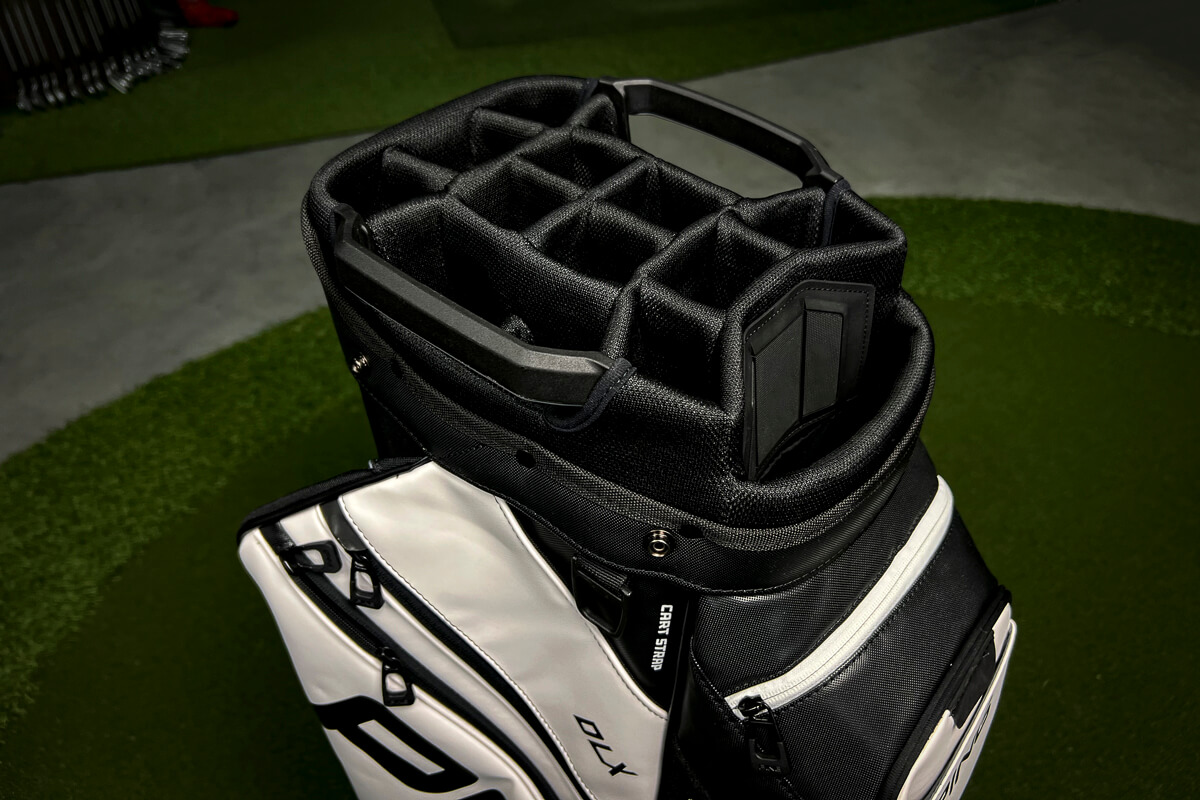
Your dividers (14-way, 6-way, or 4-way) dictate the map. The cart-facing “top” is where longest clubs belong so shorter clubs aren’t hidden. Use the frameworks below and stick with one:
- 14-way divider: Each club gets a slot. Top row = driver, 3W/5W, hybrids. Middle rows = long and mid irons (4–7). Lower rows = short irons (8–9) and wedges (PW/GW/SW/LW). Putter in the dedicated well; if none, front corner slot.
- 6-way divider: Top = woods/hybrids. Middle = long/mid irons. Bottom/front = short irons, wedges, putter. Keep numbers ascending left-to-right to build a visual “scan path.”
- 4-way divider: Top = driver, fairways, hybrids. Second = long irons. Third = mid irons. Front = short irons and wedges, with putter in the easiest-to-grab front slot.
Sequencing tip: Group wedges together (PW–LW) so you can compare lofts quickly when choosing between a bump-and-run and a higher trajectory shot. Keep the putter isolated from crowded heads to avoid chips on the topline and dings on the ferrule.
What is the best way to store golf accessories?
Think in access zones: what you use on most holes should live high and near the cart-facing side; backups and apparel go deeper or lower. Then use small, labeled pouches to keep pockets clean.
- Valuables pocket: Phone, keys, wallet—inside a soft pouch to prevent scratches. Zip fully before driving.
- Ball pocket: Keep gamer balls separate from practice balls. A simple mesh pouch for range balls prevents mistakes on the course.
- Tees & tools pocket: Tees, ball markers, divot tool, groove brush, pencil/Sharpie, a few wooden tees for windy tee shots.
- Gloves: One “in-play” glove and one dry backup. Ventilate the current glove on the bag’s holder between shots; rotate every few holes in heat.
- Rangefinder/GPS: Quick-grab pocket or holster. Add a short lanyard so it can’t bounce out on cart paths.
- Hydration & snacks: Cooler pocket for a bottle and small snack pouch (nuts, bar, fruit strip). Refill at the turn.
- Rain & weather kit: Packable jacket, rain hood, umbrella sleeve, microfiber towel for wet grips, and a pair of rain gloves.
- First aid & care: Bandages, blister pads, sunscreen, lip balm, insect wipes, and a tiny roll of athletic tape.
- Maintenance mini-kit: Spare spikes/cleat tool, extra marker, spare glove strap tab, and a couple of zip ties (surprisingly handy).
Bag-in-bag method: Use color-coded or labeled pouches (e.g., “Gloves,” “Balls,” “Tools”). This keeps the bag tidy and makes seasonal swaps—winter layers, summer towels—fast and painless.
Cart-specific setup: balance, access, and speed
- Balance the load: Split heavy items—balls, water—across both sides so the bag rides level and doesn’t torque the strap or mount.
- Quick-grab lane: Dedicate one side to on-course essentials (tees, towel, rangefinder) so you can reach everything from the cart seat without walking around.
- Towels: Carry two—one damp for clubs/balls, one dry for hands. Clip them where your hand naturally falls when seated.
- Rain readiness: Keep the rain hood on top of apparel pocket items so you can cover clubs quickly without unloading the bag.
What are the benefits of using club headcovers?
- Protection from chatter: Cart rides amplify head-to-head contact. Covers prevent crown chips, topline nicks, and ferrule scuffs—especially on premium drivers and fairways.
- Noise reduction: Quieter rounds reduce distraction and keep you focused during cart travel and pre-shot routines.
- Organization aid: Numbered or color-coded covers help you grab the right club at a glance.
- Resale value: Fewer cosmetic blemishes mean stronger trade-in and resale when you upgrade.
- Weather shield: In rain, covers provide an extra barrier during the drive between shots; pair with the rain hood for full protection.
Speed tip: Use slim, easy-on/off covers for woods and hybrids. Remove the driver cover on the tee box, stash it in the same pocket every time, and replace it while others are hitting to keep pace.
Pre-round five-minute tune-up
- Confirm each club is in its “home” and heads are visible at a glance (no crowding in the front slots).
- Stock three new gamer balls and keep practice balls in a separate pouch.
- Clip two towels (damp and dry) and hang today’s glove on the holder; store a backup glove in the accessories pocket.
- Check rangefinder battery and lens; tether it so it can’t bounce out.
- Stage the rain hood if clouds threaten; refill water and add a small snack for back-nine energy.
Common mistakes to avoid
- Mixing balls: Practice and gamer balls should never share a pocket—you’ll grab the wrong one under pressure.
- Overstuffed front pockets: Bulging pockets can pinch against the cart strap and are hard to access from the seat.
- Loose accessories: Untethered rangefinders, brushes, and towels go missing on bumpy paths. Use clips or short lanyards.
- Skipping headcovers: Cart-path chatter marks accumulate quickly, especially with graphite shafts and high-gloss crowns.
Summary: a repeatable, low-friction system
Put woods and hybrids on the top row, irons in the middle, wedges and putter in front. Map pockets by frequency of use, keep a quick-grab lane on the cart side, and store accessories in labeled pouches. Add headcovers for protection and quieter rides. With a consistent setup and a two-towel routine, your golf cart bag becomes a calm, efficient command center—so you focus on the shot, not the search.

Add a review
Your email address will not be published. Required fields are marked *