
How to Clean a Forklift Battery: Step-by-Step 2026 Guide
Clean a forklift battery by wearing PPE (gloves, goggles, apron), disconnecting the battery, and applying a mixture of 1 lb baking soda to 1 gallon of hot water to neutralize acid. Scrub with a stiff brush, focusing on terminals and connectors until fizzing stops, then rinse with clean water and dry.
Why Regular Cleaning Matters
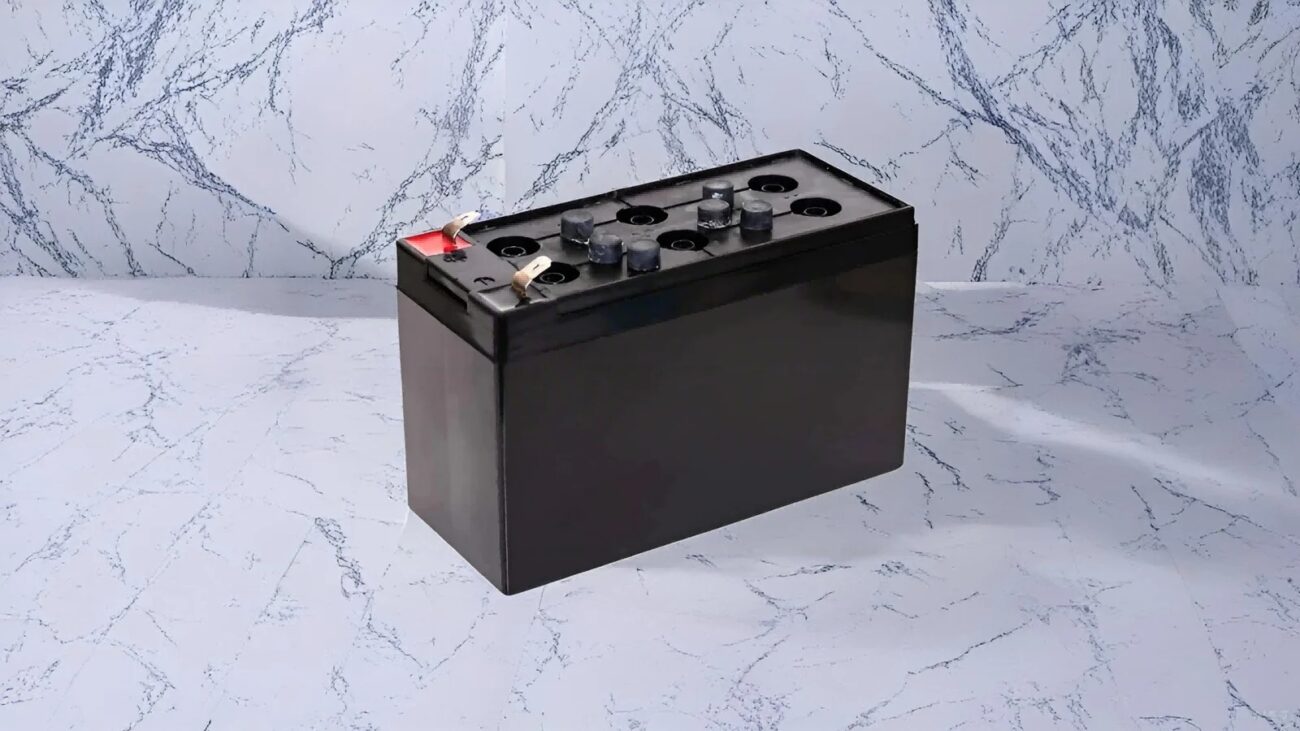
Forklift batteries accumulate acid mist, dust, and corrosion on terminals and trays. Left uncleaned, this buildup causes poor electrical contact, increased resistance, overheating, and premature failure. Regular cleaning extends battery life, prevents voltage drops, and maintains safe operation. For lead-acid batteries, cleaning is especially critical because spilled electrolyte can corrode the steel tray and create electrical shorts. Even lithium forklift batteries benefit from external cleaning to keep connections tight and free of debris.
Steps to Clean a Forklift Battery
Preparation & Safety
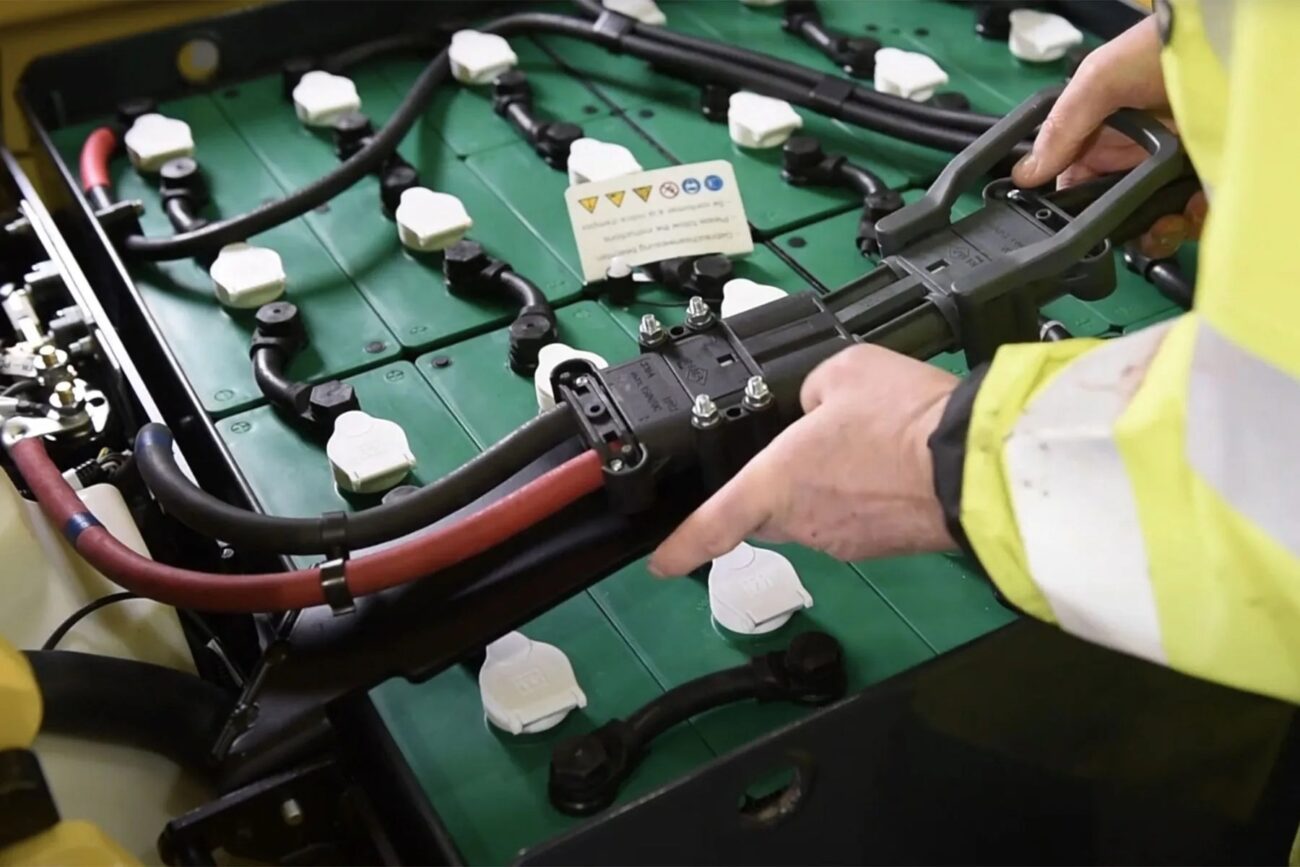
Always wear full personal protective equipment: acid-resistant gloves, safety goggles, face shield, rubber apron, and steel-toed boots. Work in a well-ventilated area away from sparks or flames. Park the forklift on a level surface, turn it off, and disconnect the battery cables (negative first). Place a neutralizing solution (baking soda and water) and an eyewash station nearby. Never clean a hot or charging battery.
Neutralize Acid
Mix 1 lb of baking soda with 1 gallon of hot water. This creates a mild alkaline solution that safely neutralizes sulfuric acid. Apply the mixture generously over the top of the battery, terminals, cables, and tray using a spray bottle or soft brush. You will see fizzing as the acid is neutralized. Let it sit for 5–10 minutes.
Scrub and Clean
Use a stiff nylon or wire brush (never metal on terminals) to scrub all surfaces. Pay special attention to the terminals, cable ends, and hold-down brackets where corrosion builds fastest. Clean the battery tray and surrounding compartment as well. Remove any loose debris or old baking-soda residue.
Rinse
Rinse thoroughly with clean, low-pressure water. Avoid high-pressure washers that can force water into the cells. Make sure all baking-soda solution is removed so no residue remains to attract more dust or cause future corrosion.
Dry
Allow the battery to air-dry completely or use compressed air (low pressure) to speed the process. Never reinstall a wet battery. Dry terminals and cables especially well before reconnecting.
Inspect
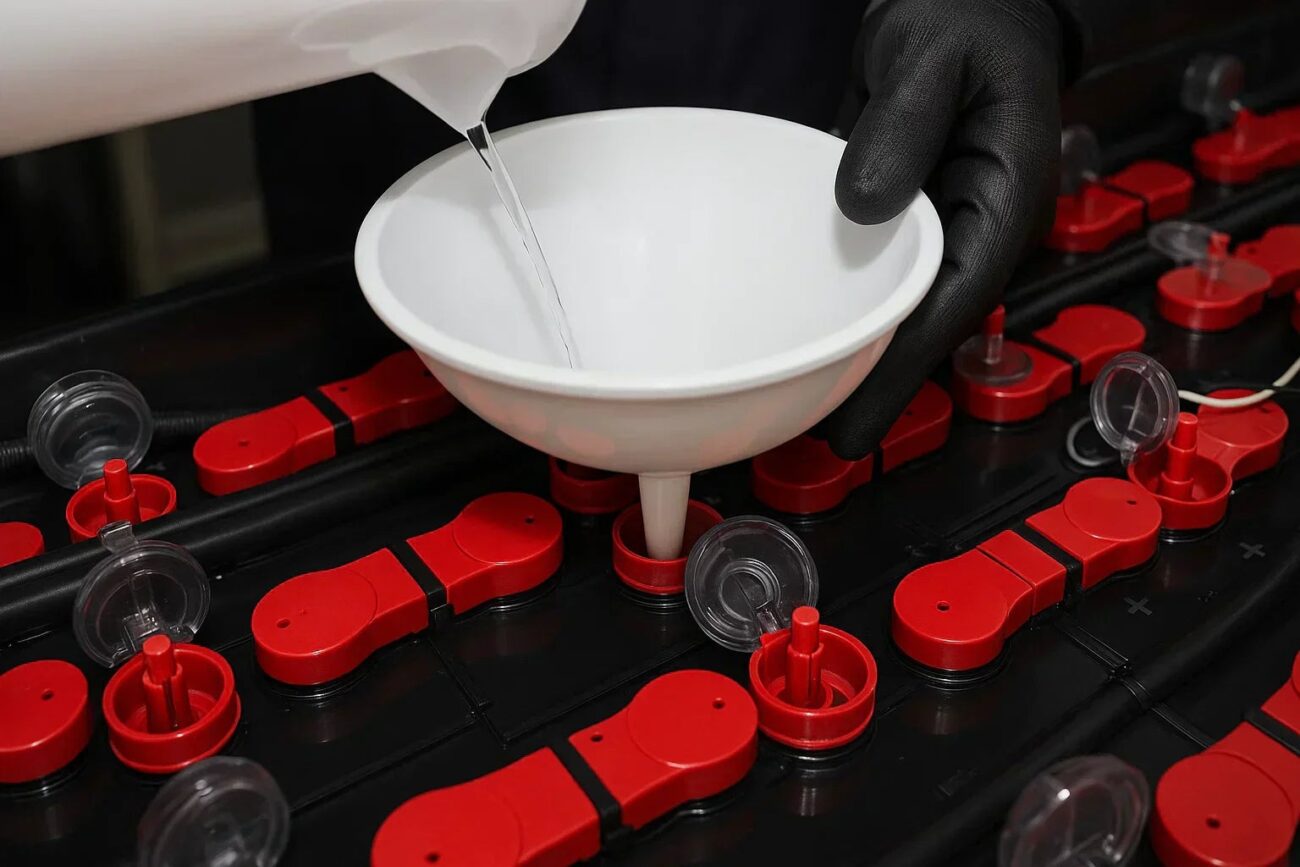
After drying, inspect for cracks, bulging, or damaged cables. Check electrolyte levels (for flooded batteries) and top off with distilled water if needed. Reconnect cables (positive first) and apply a thin coat of dielectric grease or battery terminal protector to prevent future corrosion.
What Happens If You Don’t Water a Forklift Battery?
Skipping water checks leads to exposed plates that oxidize and sulfate permanently. Capacity drops quickly, the battery overheats during charging, and it can fail within weeks. In extreme cases, dry cells warp or crack, requiring full replacement. Regular watering and cleaning work together to keep plates submerged and terminals corrosion-free.
How Do I Know If My Forklift Battery Needs Water?
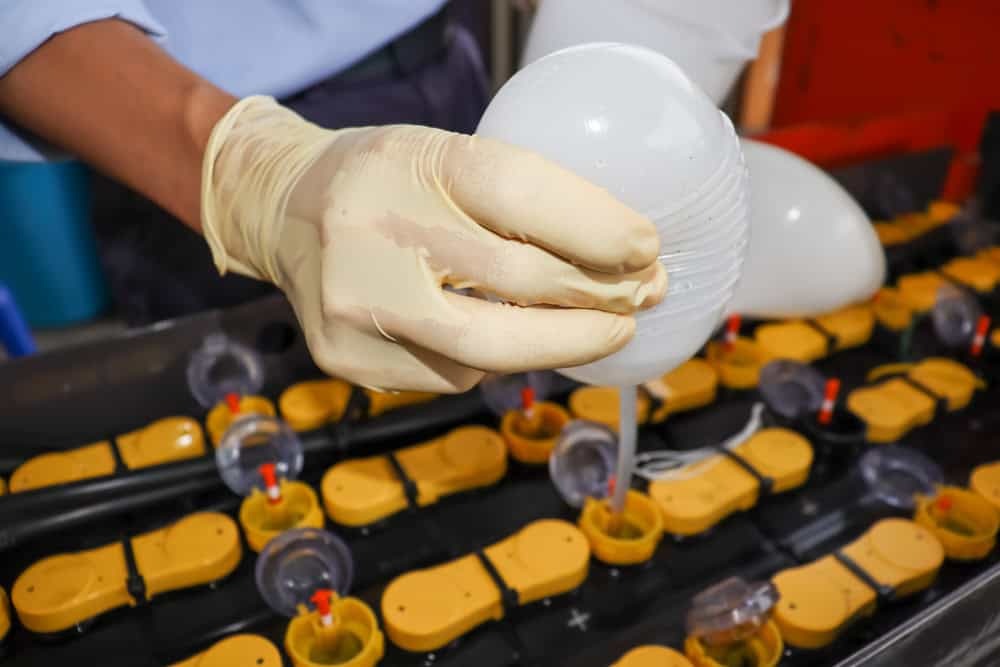
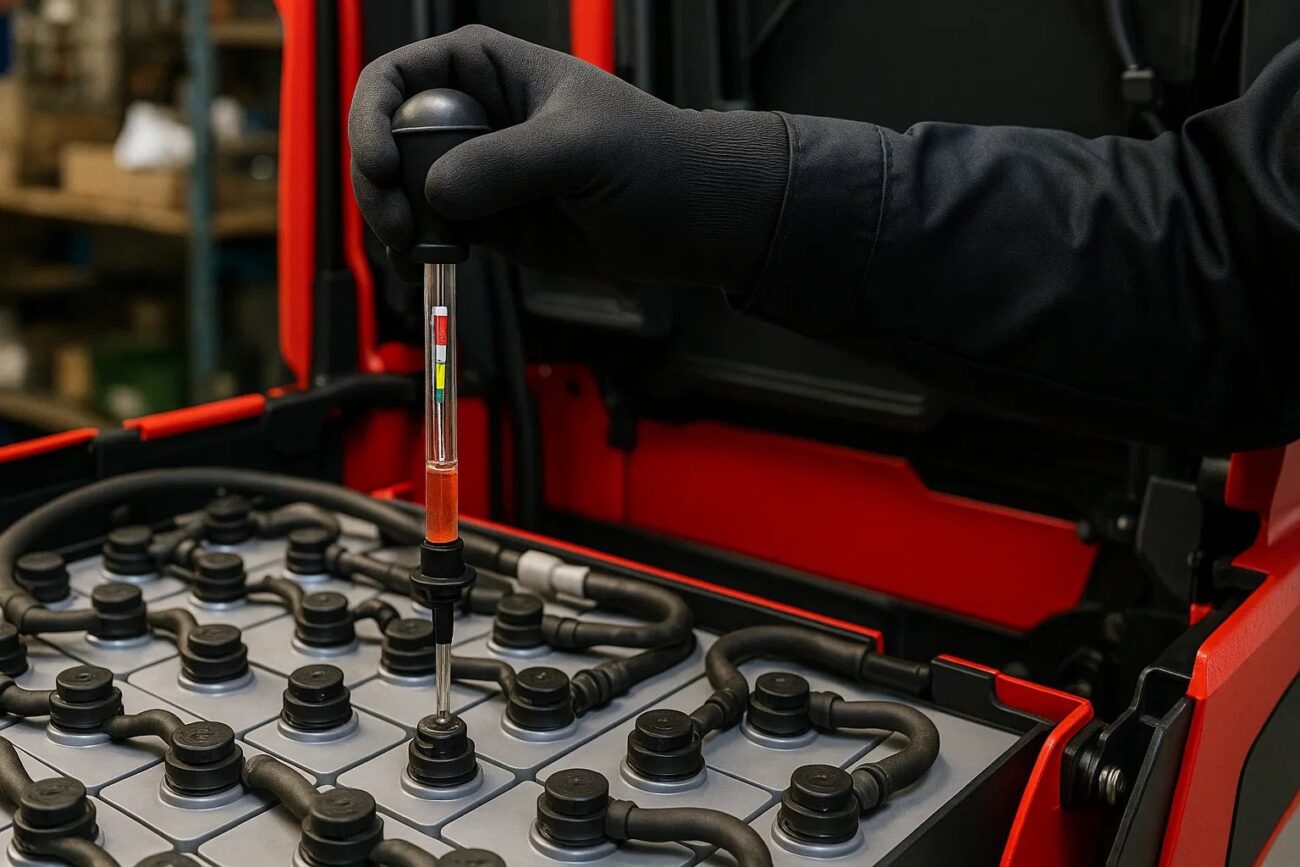
Check after every charge. Open the cell caps and look inside. Plates must be fully covered by electrolyte. If any plate is exposed or the level is below the manufacturer’s line (usually ½ inch above the plates), add distilled water only. Low levels also appear as reduced runtime, longer charge times, or excessive heat. Perform this check weekly during heavy use.
Conclusion
Cleaning a forklift battery is quick, inexpensive, and essential for safety and performance. Following the steps above — wearing proper PPE, neutralizing acid with baking soda, thorough scrubbing, rinsing, drying, and final inspection — keeps terminals corrosion-free and the entire system reliable. Combine cleaning with regular watering and scheduled service to maximize battery life and prevent costly downtime.
Add a review
Your email address will not be published. Required fields are marked *