
How Often Should You Equalize a Forklift Battery?
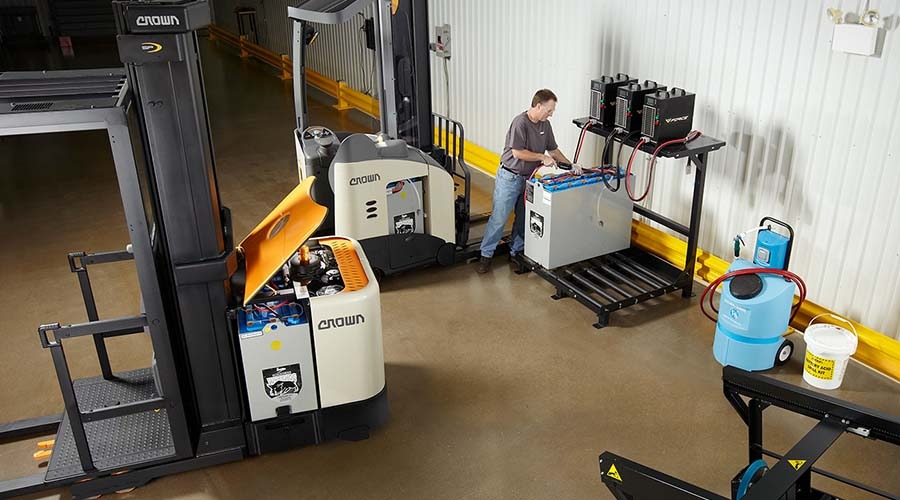
Forklift batteries (specifically wet/flooded lead-acid) should generally be equalized once a week, or every 5–10 charging cycles, to prevent sulfation and stratification. Heavy-use (multi-shift) batteries need weekly equalization, while light-use batteries may only need it monthly. Proper equalization extends battery life and maintains performance.
Why Do You Equalize a Forklift Battery?
Equalization is a controlled overcharge that serves several critical purposes for flooded lead-acid forklift batteries. Over time, normal charging causes electrolyte stratification — the acid becomes denser at the bottom of the cell and more diluted at the top. This uneven mixture reduces capacity and efficiency. Equalization creates gentle bubbling that mixes the electrolyte thoroughly. It also breaks down sulfate crystals that build up on the plates (sulfation), restoring lost capacity and balancing voltage across all cells. Without regular equalization, batteries lose performance faster and may fail prematurely.
How Often Should You Equalize a Forklift Battery?
The recommended frequency depends on usage intensity and manufacturer guidelines. For most warehouse operations with single-shift daily use, equalizing once per week (every 5–10 charge cycles) is standard practice. Multi-shift or heavy-duty applications may require equalization every 5 cycles or weekly to combat faster stratification. Light-use carts that see only occasional operation can often be equalized monthly. Many operators schedule equalization for weekends or off-hours because the process adds 3–6 extra hours to a normal charge cycle and produces more gassing.
Key Takeaways for Equalizing Forklift Batteries
Best practice is to perform equalization when the forklift is not needed for regular operation. Most operators choose Friday evenings or weekends. The purpose is simple: balance cell voltage and remove sulfate buildup, which directly extends battery life. Always follow the specific charger’s equalization mode and monitor battery temperature — stop if it exceeds 115°F (46°C). After equalization, check and top off water levels because the process increases water consumption through gassing.
Safety and Maintenance During Equalization
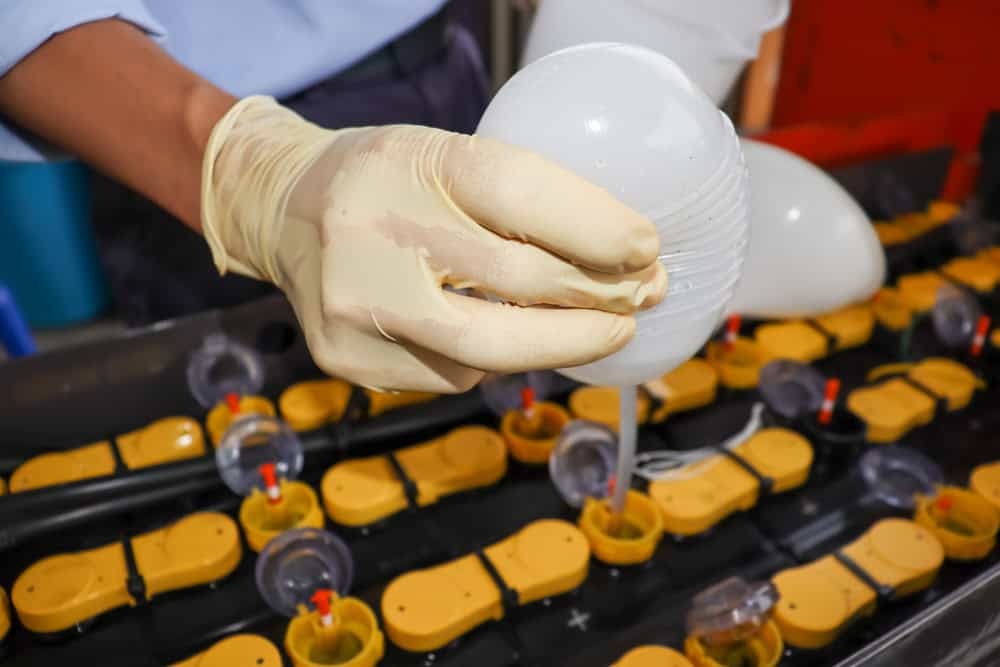
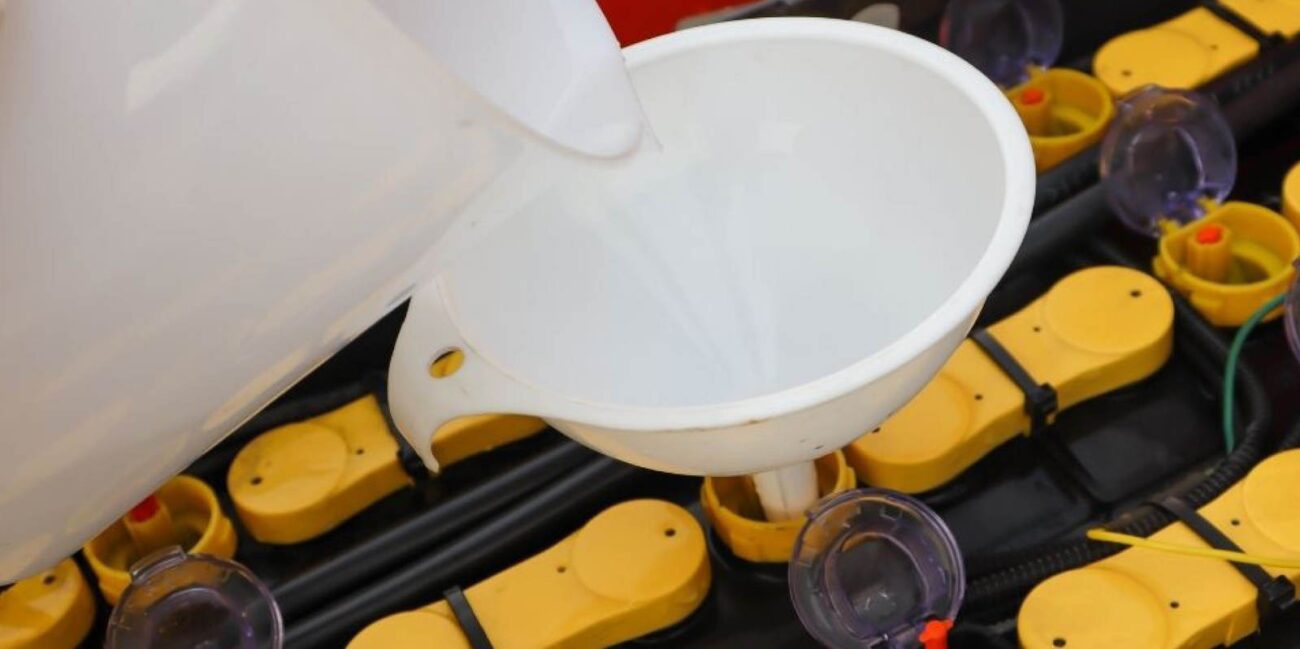
Equalization produces hydrogen gas, so it must be done in a well-ventilated area away from sparks or flames. Wear full PPE including acid-resistant gloves, safety goggles, and protective clothing. Never smoke or use open flames nearby. After the cycle completes, allow the batteries to cool and then check electrolyte levels in every cell. Add distilled water only after charging — never before. Over-equalizing (doing it too frequently) can damage plates and shorten battery life, so stick to the recommended schedule and always follow the manufacturer’s instructions.
How Long Does an Equalize Charge Take?
An equalization charge typically adds 3 to 6 hours to a normal charging cycle. The exact duration depends on the battery’s condition, charger settings, and how much sulfate buildup needs to be removed. Most modern smart chargers have an automatic equalization mode that runs for a preset time or until specific voltage and current targets are met. The charger will first complete a standard charge, then switch to equalization mode where voltage is slightly higher and current is controlled to produce controlled gassing. Do not interrupt the process once started, as partial equalization can cause imbalance.
Signs Your Forklift Battery Needs Equalization
Watch for these indicators that equalization is needed:
- Specific gravity readings vary more than 0.030 between cells
- Reduced runtime or slower acceleration
- Batteries take longer than normal to reach full charge
- One or more cells consistently show lower voltage
Performing equalization at the right frequency prevents these issues and keeps your forklift operating at peak efficiency.
Conclusion
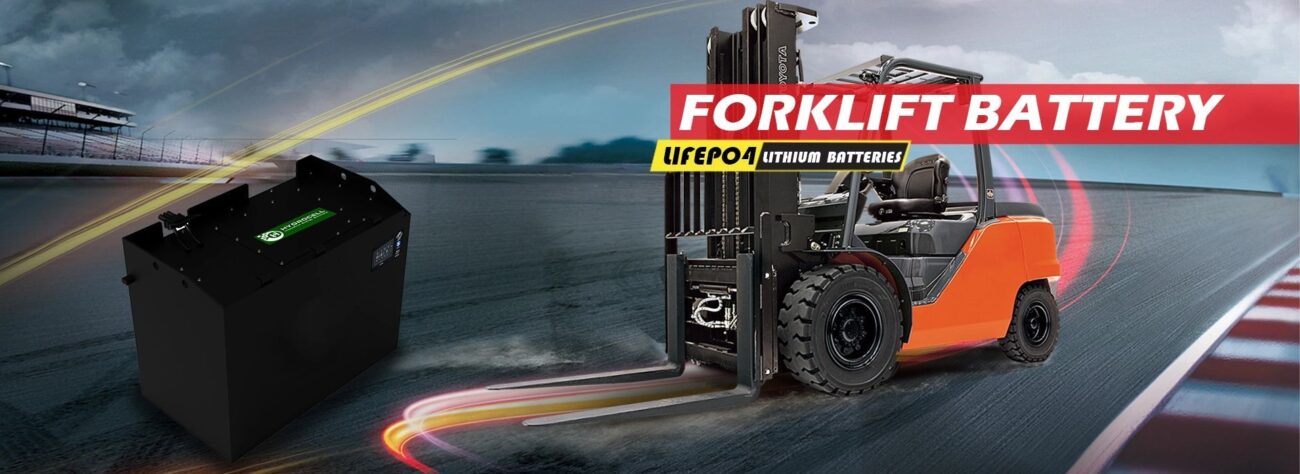
Equalizing forklift batteries (wet/flooded lead-acid) every 5–10 charging cycles — typically once per week for heavy use — is essential for preventing sulfation and stratification while extending overall battery life. The process balances cell voltages, mixes the electrolyte, and restores lost capacity. Always follow manufacturer guidelines, perform equalization during off-hours, and check water levels afterward. Proper equalization combined with consistent maintenance can help lead-acid batteries reach their full 5–7 year potential. For operations seeking to eliminate equalization entirely and reduce maintenance, lithium-ion forklift batteries offer a compelling alternative with built-in cell balancing and significantly longer service life.
Add a review
Your email address will not be published. Required fields are marked *