
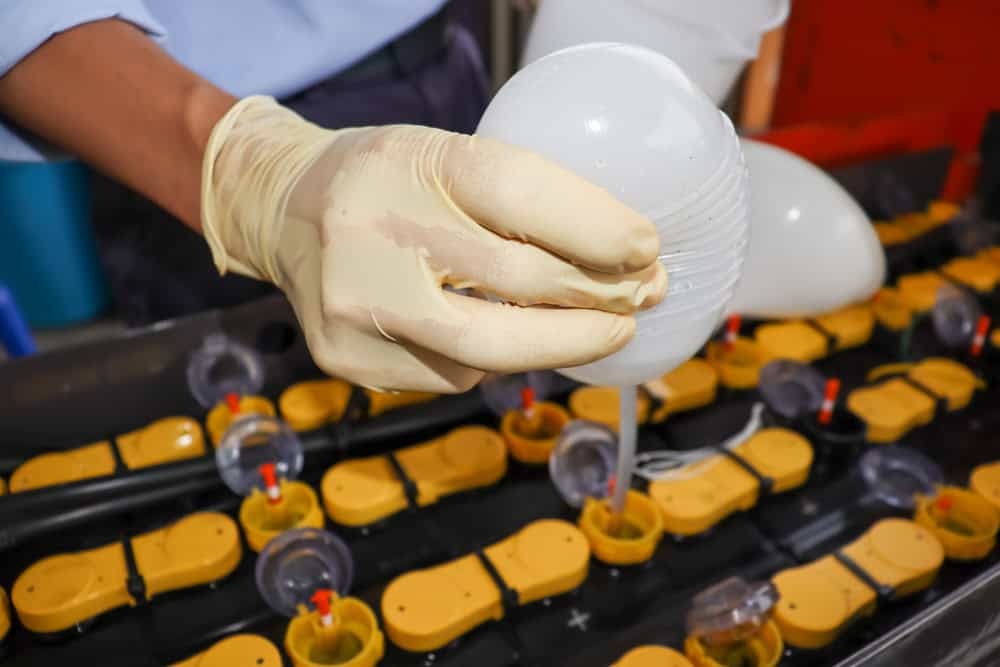
How Much Sulfuric Acid Is in a Forklift Battery?
Forklift batteries typically contain about 20% to 35% sulfuric acid by weight in their electrolyte solution (a mix of water and acid). For a standard 2,000–3,000 lb industrial battery, this equates to roughly 150 to over 400 pounds of sulfuric acid, depending on the battery size and model. Understanding exact acid content is essential for safe handling, maintenance, and regulatory compliance.
Understanding Forklift Battery Electrolyte Composition
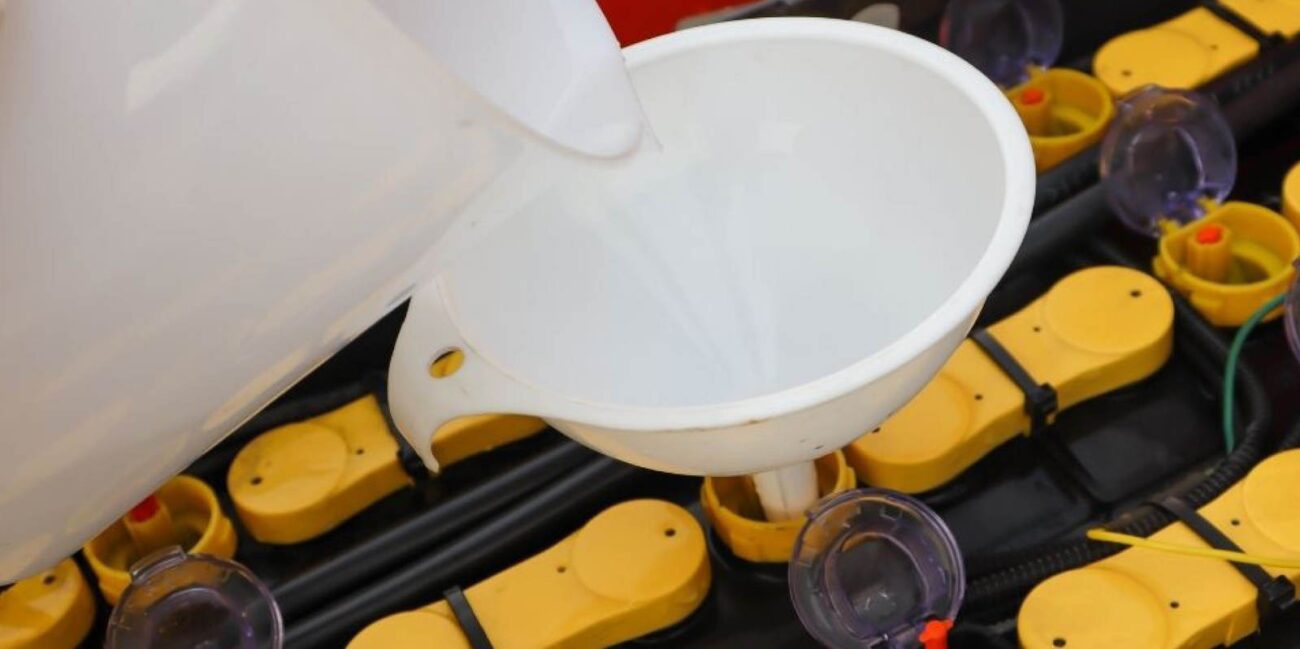
Forklift batteries, particularly traditional flooded lead-acid types, use a liquid electrolyte made of sulfuric acid diluted with purified water. This mixture enables the chemical reaction that stores and releases electrical energy. The concentration is carefully controlled — typically between 30% and 50% sulfuric acid by volume, with 37% being the most common target for optimal performance and longevity. The remaining portion is distilled water. This precise ratio is critical because too much acid can corrode plates faster, while too little reduces capacity and efficiency.
Key Details Regarding Forklift Battery Acid Content
| Detail | Information |
|---|---|
| Total Battery Weight | A single industrial battery can weigh between 800 and 4,000 pounds. |
| Acid Concentration | The electrolyte is usually a 30% to 50% mixture, with 37% being a common specific concentration for optimal performance. |
| Hazardous Materials | These batteries are subject to U.S. Environmental Protection Agency reporting thresholds (typically over 500 lbs of acid). |
| Components | The electrolyte is a mixture of approximately 65% purified water and 35% sulfuric acid. |
| Safety | Always wear proper protective equipment when handling, as it is a strong corrosive agent. |
How Much Sulfuric Acid Is in a Typical Forklift Battery?
The total amount of pure sulfuric acid varies widely based on battery size and voltage:
- Smaller 36V packs (800–1,500 lbs total weight): 150–300 pounds of sulfuric acid
- Standard 48V warehouse batteries (2,000–3,000 lbs): 300–500 pounds of sulfuric acid
- Large heavy-duty 80V packs (4,000+ lbs): 600–1,000+ pounds of sulfuric acid
Because the electrolyte is roughly 35% sulfuric acid by weight in most industrial batteries, a 3,000-pound battery pack can easily contain 400–500 pounds of actual acid. This makes forklift batteries classified as hazardous materials under EPA regulations. Facilities storing or handling more than 500 pounds of sulfuric acid must comply with reporting and spill-prevention requirements.
Safety Considerations When Handling Forklift Battery Acid
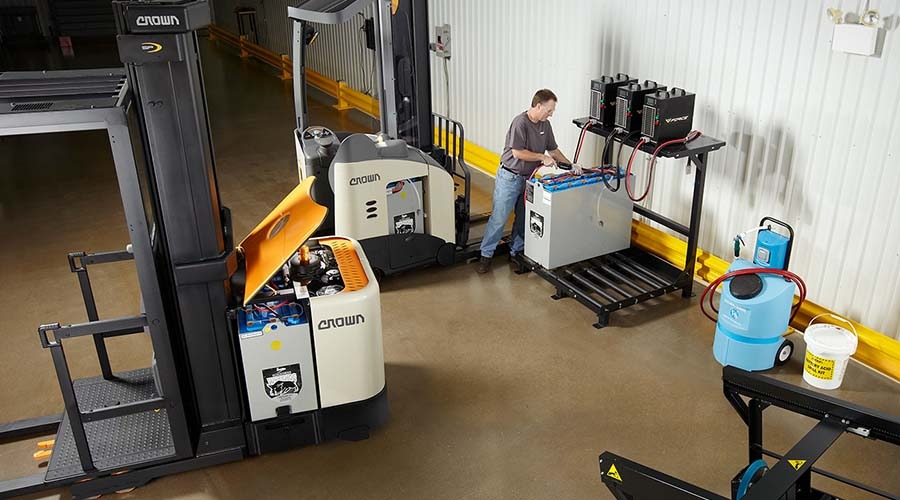
Sulfuric acid is highly corrosive and can cause severe burns on contact with skin or eyes. When working with forklift batteries, always wear full personal protective equipment: acid-resistant gloves, safety goggles, face shield, apron, and steel-toed boots. Work in a well-ventilated area and keep a neutralizing solution (baking soda and water) and eyewash station nearby. Spills must be contained and reported according to local environmental regulations. Never add water to acid — always add acid to water if mixing is required (though this is rarely needed in maintenance).
How Much Is a Forklift Battery Worth in Scrap?
Lead-acid forklift batteries have significant scrap value due to their high lead content. Current scrap prices typically range from $0.15 to $0.30 per pound for whole batteries, depending on market conditions and location. A standard 3,000-pound forklift battery pack can therefore be worth $450 to $900 at a certified recycler. Lithium-ion forklift batteries have lower scrap value per pound but contain recoverable metals like lithium, cobalt (in some chemistries), nickel, and copper. Specialized recyclers may pay $0.50–$2.50 per pound, though many are refurbished or repurposed rather than scrapped due to their long lifespan.
Transitioning to Lithium: A Safer Alternative
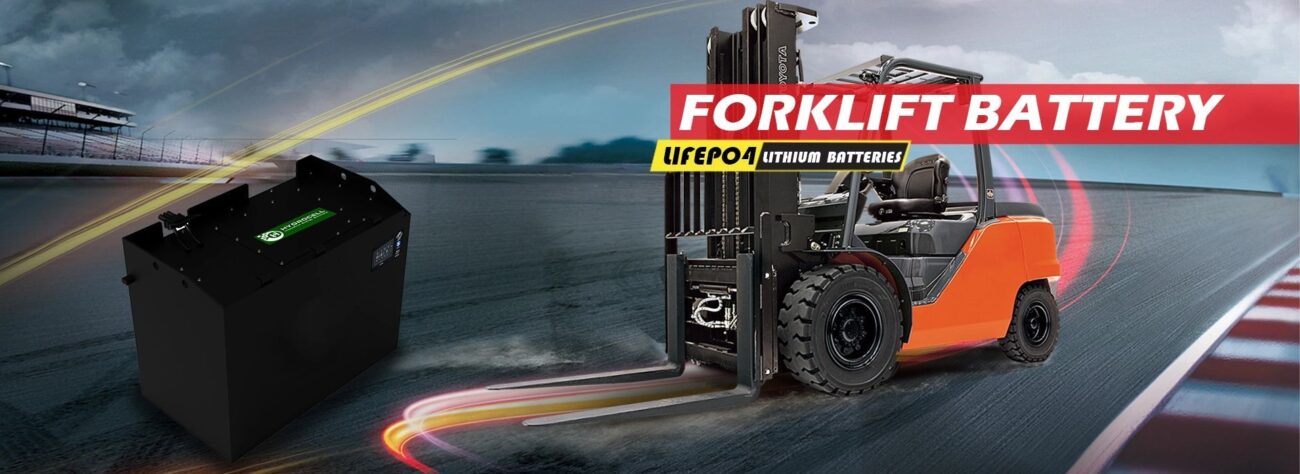
Many facilities are moving away from lead-acid batteries entirely. Lithium-ion forklift batteries contain no liquid sulfuric acid, eliminating spill risks, watering requirements, and hazardous material handling concerns. They are also significantly lighter and last 3–5 times longer. While the upfront cost is higher, the long-term savings in maintenance, labor, and disposal make lithium a popular choice for modern warehouses.
Conclusion
Forklift batteries contain substantial amounts of sulfuric acid — typically 20–35% of their total weight, equating to 150–1,000+ pounds per pack depending on size. Proper handling, correct watering timing, and strict safety protocols are essential when working with these hazardous materials. Facilities should maintain accurate records of acid quantities for regulatory compliance and consider transitioning to lithium-ion technology to eliminate acid-related risks entirely. Regular training and proper PPE remain the best defense against accidents involving forklift battery acid.
Add a review
Your email address will not be published. Required fields are marked *