
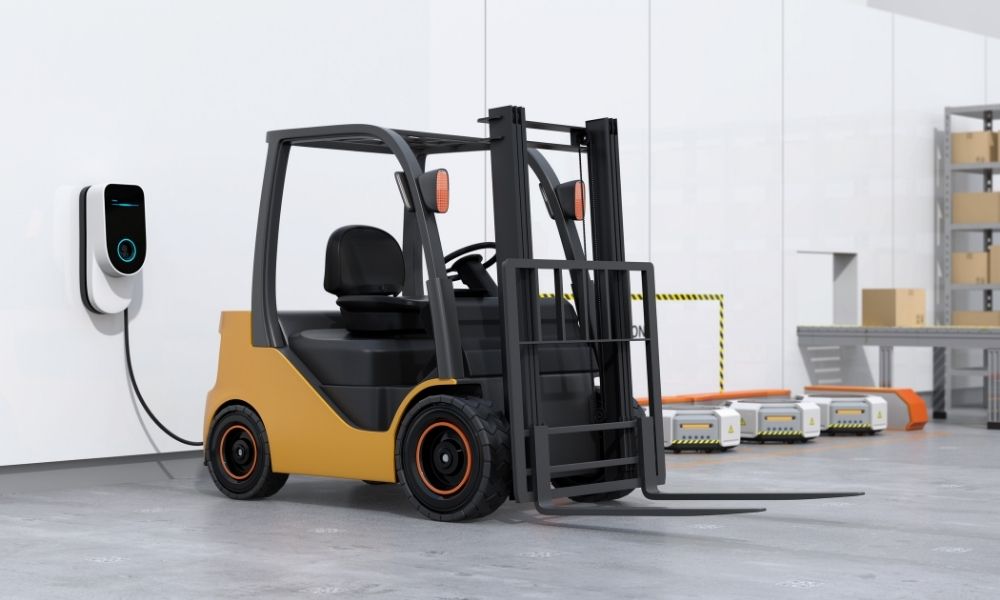
How Long Does It Take to Charge a Forklift Battery?
Forklift batteries typically take 8 to 12 hours to fully charge and require an additional 8 hours to cool down for traditional lead-acid types. Lithium-ion batteries charge much faster, often reaching a full charge in 1 to 3 hours without needing cool-down time. Understanding these differences helps fleet managers schedule operations efficiently and extend battery life.
Why Charging Time Matters for Forklift Operations
Charging time directly impacts warehouse productivity, shift planning, and overall equipment utilization. A forklift that takes 8–12 hours to charge plus cooling time can only be used once per day in many facilities. Faster-charging technologies like lithium-ion allow opportunity charging during breaks, enabling multiple shifts from the same battery. This guide explains current charging times, factors that influence them, and best practices for safe and efficient charging in 2026.
Lead-Acid Forklift Battery Charging Times
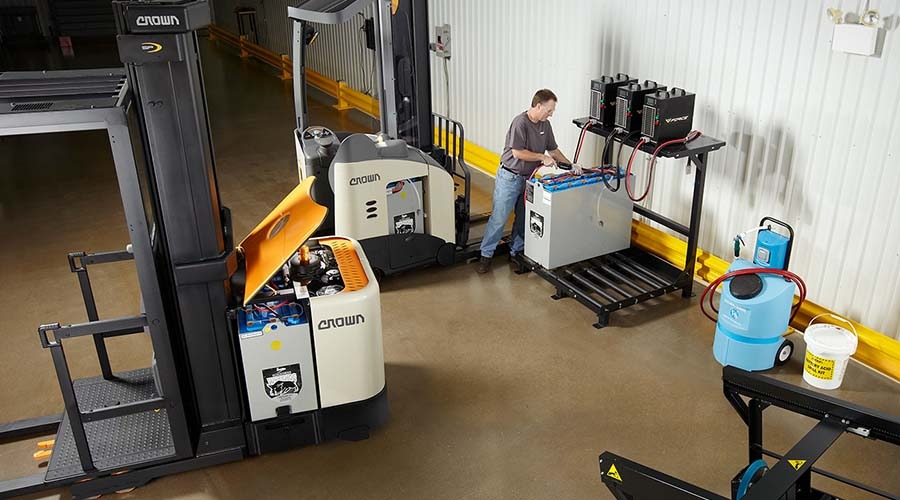
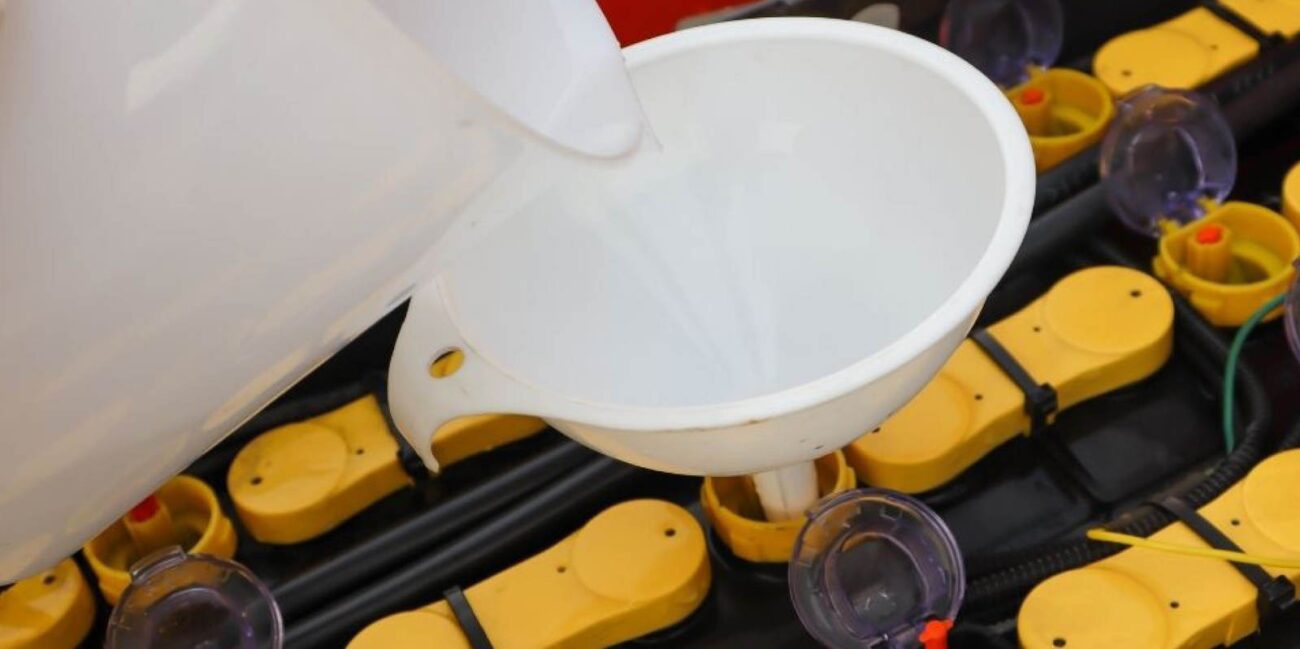
Traditional flooded lead-acid batteries remain the most common type in many warehouses. A full charge typically requires 8 to 12 hours, depending on the battery’s state of discharge and charger quality. After charging, an additional 8-hour cool-down period is recommended before the battery can be used again. This cool-down prevents excessive heat buildup and allows the electrolyte to stabilize. Many facilities follow a standard schedule: charge overnight and use the next day, repeating the cycle. Opportunity charging (short top-offs) is not recommended for lead-acid batteries as it can cause sulfation and shorten lifespan.
Lithium-Ion Forklift Battery Charging Times
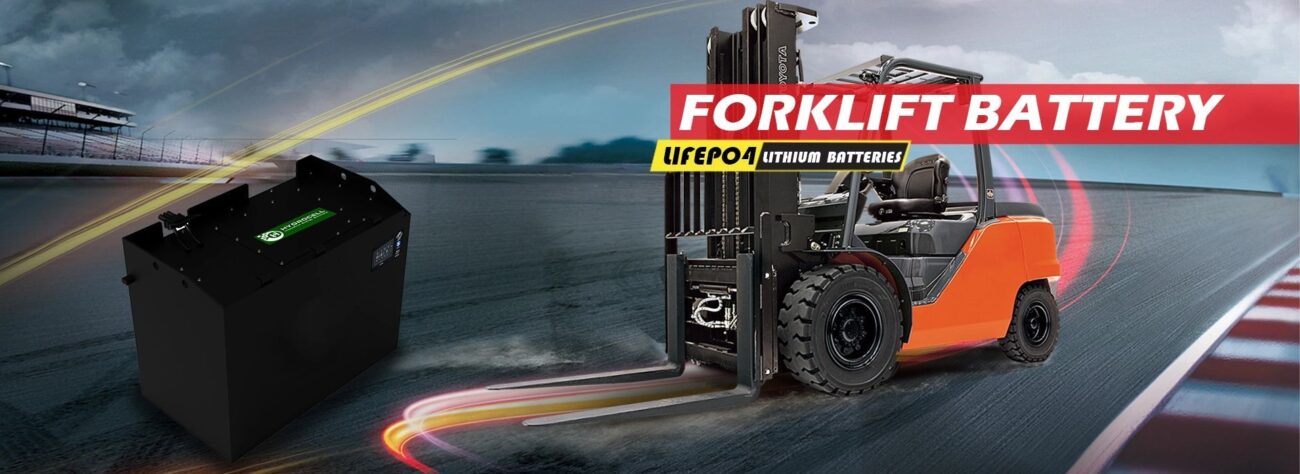
Lithium-ion (LiFePO4) forklift batteries have revolutionized charging times. Most modern lithium packs reach 80% charge in 1–2 hours and a full 100% charge in 2–3 hours. No extended cool-down period is needed — the battery can be put back into service immediately after charging. This fast turnaround enables opportunity charging during lunch breaks or shift changes, allowing a single battery to support multiple shifts. Many lithium systems also support rapid charging up to 1C rate without significant degradation, making them ideal for high-throughput operations.
Thin Plate Pure Lead (TPPL) Batteries
TPPL batteries offer a middle ground between traditional lead-acid and lithium. They typically charge in 4–6 hours and require minimal cool-down time. While not as fast as lithium, they provide better cycle life than standard flooded batteries and can handle more frequent charging without damage. TPPL is a good option for operations that want faster charging than conventional lead-acid but aren’t ready for the higher cost of lithium.
Is It Safe to Charge a Forklift Overnight?
Yes — it is generally safe to charge a forklift battery overnight when using the correct charger and following manufacturer guidelines. Modern smart chargers automatically switch to float or maintenance mode once the battery is full, preventing overcharging. However, always ensure good ventilation in the charging area, especially for lead-acid batteries that produce hydrogen gas during charging. Never charge in enclosed spaces without proper airflow. For lithium batteries, overnight charging is even safer due to built-in Battery Management Systems that prevent overcharge and overheating.
What Is the Average Lifespan of a Forklift Battery?
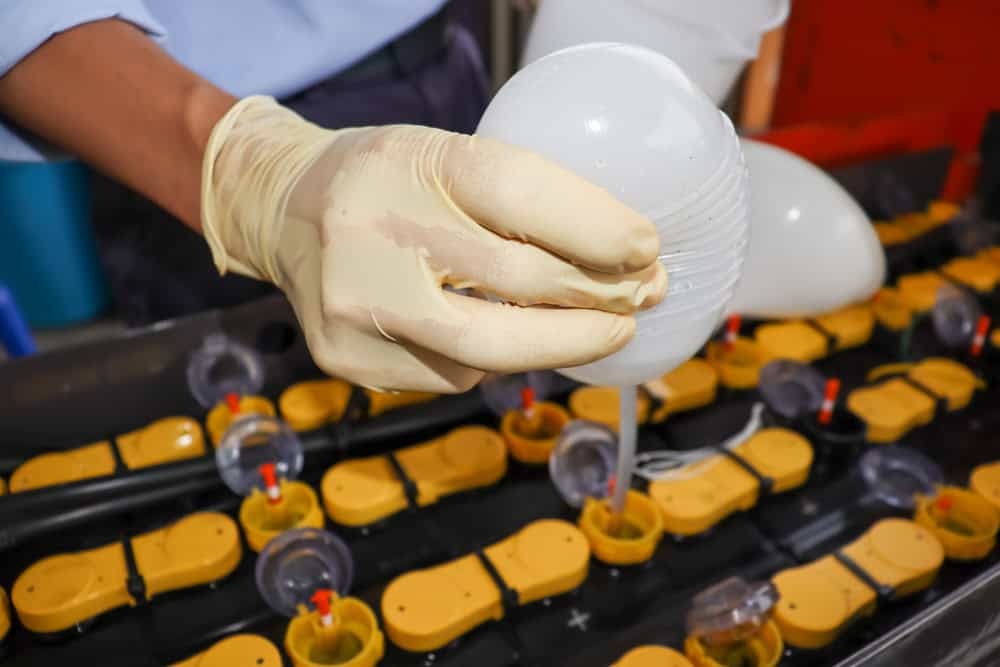
Lead-acid forklift batteries typically last 5–7 years or about 1,500 cycles with proper maintenance. Lithium-ion batteries last significantly longer — 8–12 years or 3,000–5,000+ cycles. Factors affecting lifespan include charging habits, temperature control, depth of discharge, and regular maintenance. Lithium batteries require almost no maintenance and handle deeper discharges better, which contributes to their longer service life and lower total cost of ownership over time.
Best Practices for Charging Forklift Batteries
To maximize battery life and safety:
- Use a charger specifically matched to your battery type (lead-acid vs lithium)
- Charge in a well-ventilated area away from flammable materials
- Never interrupt a charging cycle once started
- Keep charging areas clean and free of clutter
- Monitor temperature during charging — stop if excessive heat is detected
- For lithium batteries, take advantage of opportunity charging during breaks
Conclusion
Charging times for forklift batteries vary significantly between technologies. Traditional lead-acid batteries require 8–12 hours plus cool-down, while lithium-ion batteries can be fully charged in 1–3 hours with no cool-down needed. Understanding these differences helps optimize shift schedules and reduce downtime. Proper charging practices, correct equipment, and regular maintenance extend battery life and improve safety. For operations seeking maximum efficiency and minimal maintenance, lithium-ion batteries offer clear advantages in both charging speed and overall lifespan.
Add a review
Your email address will not be published. Required fields are marked *