
How Fast Are Street Legal Golf Carts? 2026 Speed & Regulations Guide
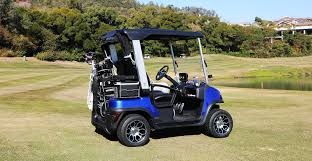
Street-legal golf carts, often classified as Low-Speed Vehicles (LSVs), typically have a maximum speed of 20 to 25 mph. Federal safety regulations usually restrict these vehicles to a maximum speed of 25 mph to be allowed on public roads with speed limits of 35 mph or less.
Understanding Street Legal Golf Cart Speed Limits
Street legal golf carts are engineered and certified to operate on public roads with speed limits of 35 mph or less. In the United States, the National Highway Traffic Safety Administration (NHTSA) defines Low-Speed Vehicles (LSVs) with a maximum speed of 25 mph. This limit ensures safety for both the driver and other road users. Most manufacturers set the top speed at 20–25 mph to comply with regulations while providing practical performance for neighborhood and resort use. Exceeding this limit without proper certification can result in the vehicle losing its street-legal status and potential legal issues.
Key Details on Street-Legal Golf Cart Speeds
Minimum Requirements
To be street legal, golf carts must meet federal and state standards including seatbelts, headlights, taillights, turn signals, mirrors, horn, VIN number, and a safety glass windshield. They must also pass crash testing and braking requirements. The speed governor is factory-set and often sealed to prevent easy modification.
Modifications
Some owners upgrade motors, controllers, or tires to increase speed, but any modification that pushes the cart above 25 mph usually voids street-legal status. Legal upgrades focus on safety equipment rather than performance. Higher-speed conversions require re-certification and additional lighting/reflector upgrades to meet LSV or NEV standards.
Range
Street-legal models with modern lithium batteries typically achieve 30–60 miles per charge depending on terrain, load, and driving style. Higher speeds reduce range significantly, which is why most manufacturers balance speed and efficiency at the 20–25 mph range.
Equipment
Street-legal carts must include DOT-approved tires, brake lights, turn signals, reflectors, and a horn. Many also feature digital dashboards showing speed, battery level, and odometer. Premium models from Tara and similar brands offer advanced suspension and comfortable seating for road use.
What Golf Carts Can Go 35 mph?
True 35 mph capable golf carts are usually classified as Neighborhood Electric Vehicles (NEVs) rather than standard LSVs. These vehicles require additional safety features, higher-speed tires, stronger brakes, and often a different certification. Brands like Tara, Star EV, and certain customized Club Car or Yamaha models can reach 35 mph with factory or dealer-approved upgrades. These higher-speed carts are popular in larger communities and resorts where roads allow up to 35–45 mph. However, they must still comply with state-specific registration, insurance, and licensing requirements.
Conclusion
Street legal golf carts are intentionally limited to 20–25 mph to meet federal safety standards for low-speed vehicles. This speed provides a good balance of safety and practicality for neighborhood and resort roads. While modifications can increase speed, they often require re-certification and additional safety equipment. For reliable, comfortable, and properly certified street-legal performance, choosing a quality manufacturer with proven road-ready models is essential. Whether you need a standard 25 mph LSV or a faster 35 mph NEV, understanding the regulations helps you make the right choice for safe and legal operation.



Add a review
Your email address will not be published. Required fields are marked *