
Do Forklift Batteries Need Distilled Water?
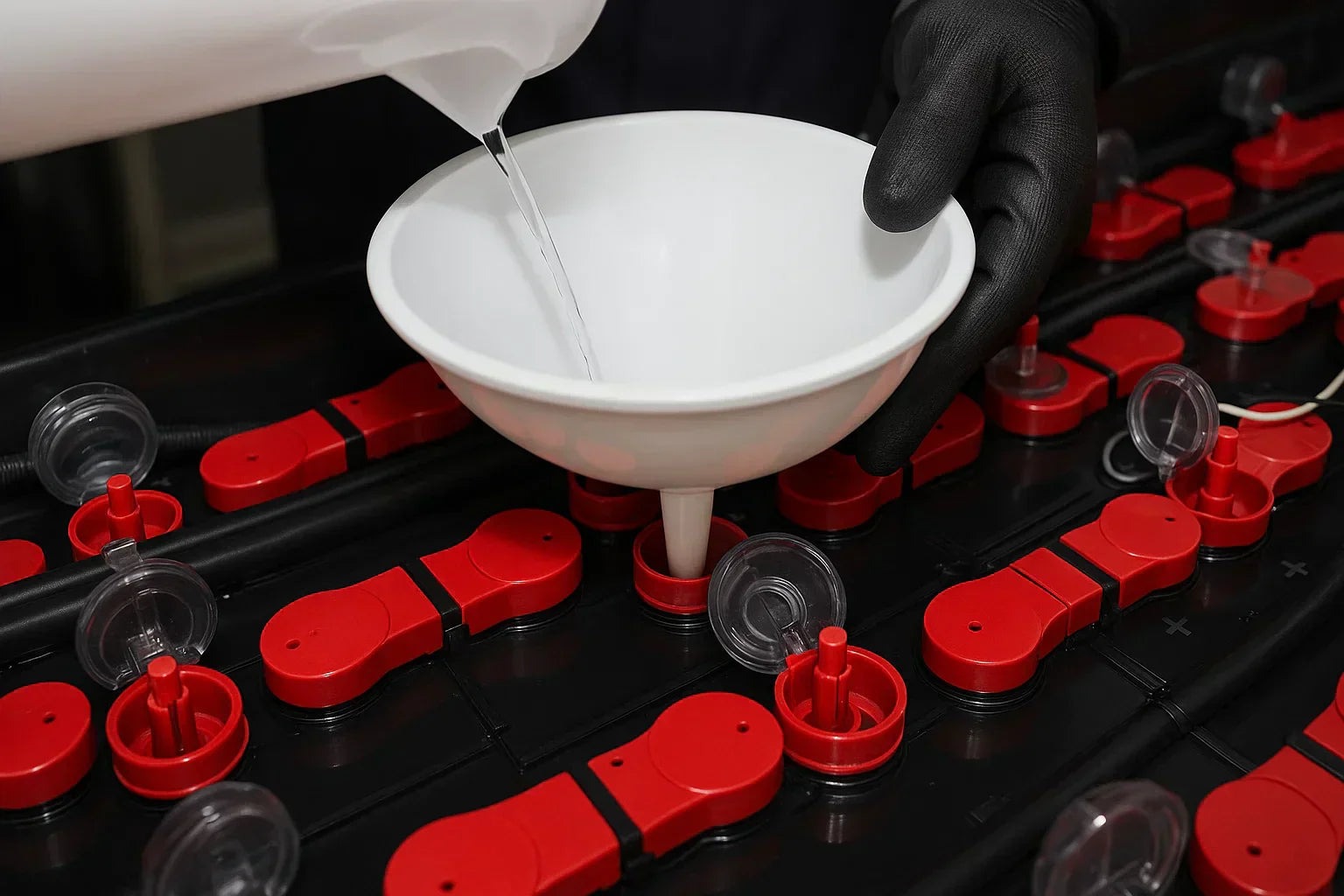
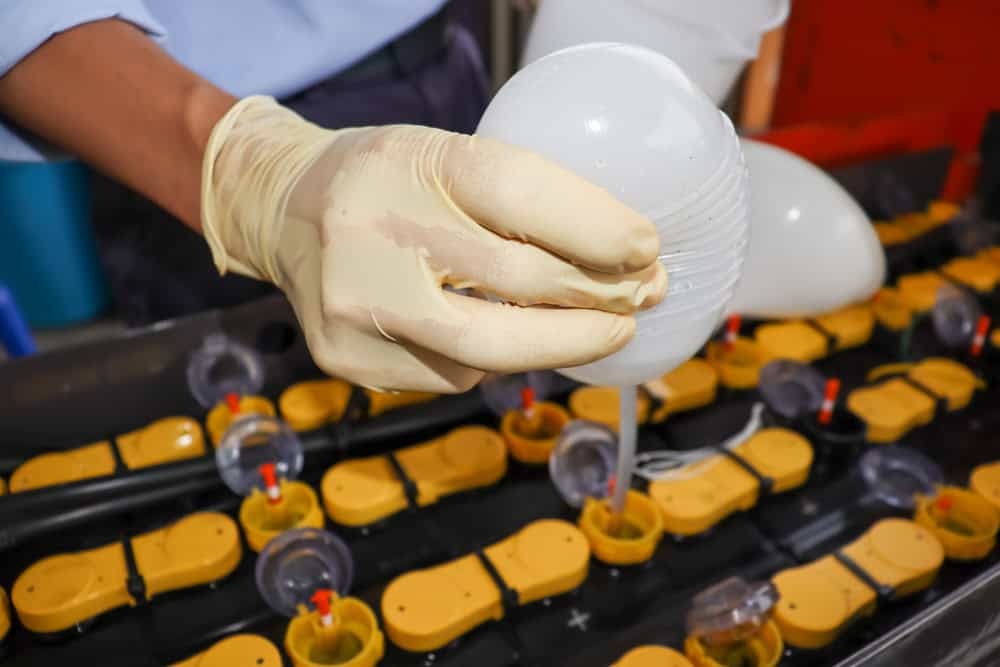
Forklift batteries strictly require distilled or deionized water for maintenance. Using tap water introduces minerals like calcium and magnesium that cause scaling, sulfation, and corrosion, which significantly reduce battery life and performance. Always add water after the battery is fully charged to avoid overflows.
Why Distilled Water Is Non-Negotiable for Forklift Batteries
Forklift batteries, particularly traditional flooded lead-acid types, rely on a precise electrolyte mixture of sulfuric acid and water. The water level drops naturally during charging due to electrolysis, and it must be replenished regularly. Only distilled or deionized water is safe because it contains no minerals or impurities. Tap water, well water, or softened water introduces calcium, magnesium, iron, and other dissolved solids that build up on the plates over time. This buildup creates resistance, accelerates sulfation, and shortens battery life dramatically — often by 30–50% or more. Using the wrong water is one of the fastest ways to destroy an expensive forklift battery pack.
Key Watering Guidelines for Forklift Batteries
Use Only Distilled/Deionized Water
Always purchase distilled water from a reliable source. It is inexpensive and widely available at hardware stores, auto parts retailers, and online. Deionized water is an acceptable alternative in industrial settings. Never use tap water, even if it “looks clean.” The minerals in tap water are invisible but cause irreversible damage inside the battery cells.
Water AFTER Charging
This is the most critical rule. Add water only after the battery has completed a full charge cycle and has cooled down. During charging, the electrolyte expands and bubbles. Adding water beforehand causes overflow, spills of corrosive acid, and damage to the battery tray and surrounding equipment. Wait at least 30–60 minutes after charging before checking and topping off the cells.
Check Frequently
Inspect water levels every 5–10 charge cycles or at least once per week during heavy use. In hot climates or multi-shift operations, check more often. Look inside each cell — the electrolyte should cover the plates by about ¼ to ½ inch but never reach the bottom of the vent cap. Keeping a log helps maintain consistency.
Do Not Overfill
Overfilling is just as harmful as underfilling. Excess water will boil out during the next charge cycle, carrying acid with it and causing corrosion. Fill only to the manufacturer’s marked line or just below the vent cap. If plates are exposed, add just enough water to cover them before charging, then finish watering after the charge is complete.
Safety First
Always wear acid-resistant gloves, safety goggles, and protective clothing when watering batteries. Work in a well-ventilated area and keep a baking-soda-and-water solution nearby to neutralize spills. Never smoke or use open flames near charging batteries.
What Happens If You Don’t Water a Forklift Battery?
Failing to add water is one of the quickest ways to destroy a forklift battery. When plates become exposed to air, they oxidize and sulfate permanently. Capacity drops rapidly, the battery overheats during charging, and internal resistance increases. In severe cases, plates can warp, crack, or short out completely, requiring full battery replacement. A neglected battery may fail within months instead of years, leading to costly downtime and replacement expenses that could have been avoided with simple routine watering.
How Often Should You Put Water in a Forklift Battery?
The frequency depends on usage and environment. For standard single-shift operations, check and water every 5–10 charge cycles (typically once per week). Heavy multi-shift or hot-climate operations may require watering every 3–5 cycles. Light-use equipment might only need attention monthly. The best practice is to check water levels after every full charge cycle until you establish a consistent pattern for your specific operation. Many facilities schedule watering on weekends when the equipment is not in use.
The Smart Alternative: Switch to Lithium-Ion Batteries
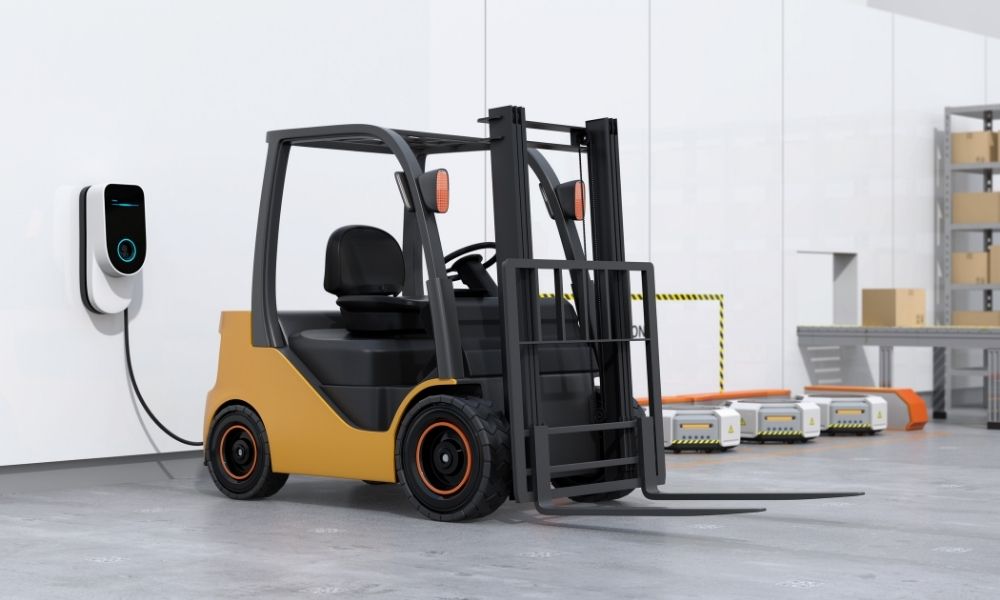
Traditional lead-acid batteries require constant watering, but modern lithium-ion forklift batteries eliminate this chore entirely. Lithium packs are sealed, maintenance-free, and never need water added. They also charge faster, last 3–5 times longer, weigh significantly less, and deliver consistent power throughout the shift. For warehouses and distribution centers looking to reduce labor costs and safety risks, upgrading to lithium-ion is the most practical long-term solution.
Conclusion
Forklift batteries absolutely require distilled or deionized water for proper maintenance. Using anything else introduces minerals that cause irreversible damage and drastically shorten battery life. Always water after charging, check levels regularly, and never overfill. Following these simple guidelines can extend the life of lead-acid batteries by years. However, for operations seeking zero maintenance and maximum reliability, switching to lithium-ion technology removes the watering requirement completely while delivering superior performance and longevity. The small investment in quality lithium batteries pays for itself many times over through reduced labor, fewer replacements, and increased uptime.
Add a review
Your email address will not be published. Required fields are marked *