
Are Forklift Batteries Isolated from Chassis?
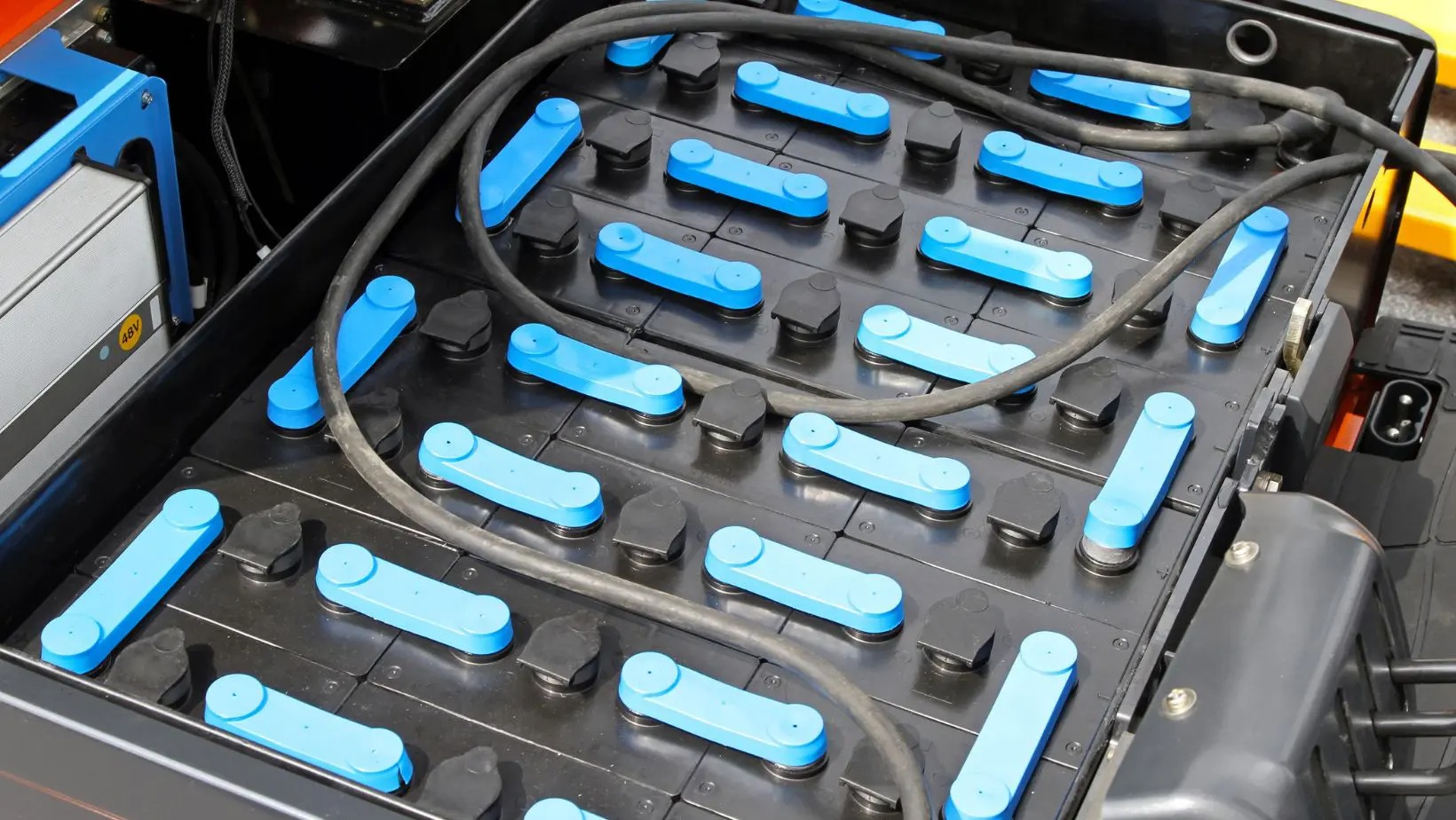
Yes, forklift batteries are typically electrically isolated from the chassis, operating as a “floating” system where neither the positive nor negative terminal is connected to the metal frame. This design prevents electrolysis, reduces electrocution risks, and prevents short circuits if a component fails.
Understanding the Floating Battery System
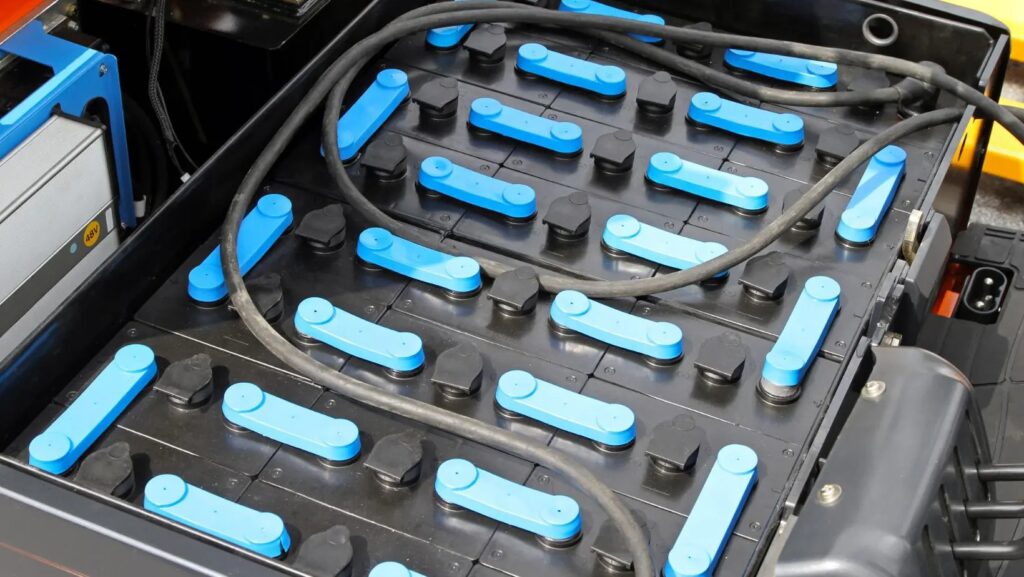
In a floating battery system, the entire battery pack is electrically isolated from the forklift’s metal chassis and frame. Neither the positive nor negative terminal is grounded to the vehicle body. This is the standard design for the vast majority of modern electric forklifts, whether they use lead-acid or lithium-ion technology. The isolation is achieved through heavy-duty rubber or plastic insulating mounts, non-conductive battery trays, and insulated cables. This configuration is intentional and critical for both safety and operational reliability.
Insulation Safety Standards
Manufacturers follow strict international standards such as ANSI/ITSDF B56.1 and IEC 62930 to ensure proper isolation. The battery compartment is lined with dielectric materials, and all high-voltage cables are double-insulated. Regular inspections check for chafed wires, cracked insulators, or corrosion that could create an unintended ground path. Maintaining this isolation prevents stray current from flowing through the frame, which could energize metal parts and create shock hazards for operators or maintenance personnel.
Safety Hazard Mitigation
Electrical isolation provides multiple layers of protection:
- Prevents electrolysis and corrosion of the chassis caused by stray currents
- Reduces the risk of electric shock if a technician touches the frame while working on the battery
- Stops short-circuit currents if a tool or damaged cable contacts the frame
- Allows safe use of ground-fault detection systems that monitor for unintended grounding
Without isolation, a single fault could turn the entire forklift into a live conductor, dramatically increasing injury risk.
Exceptions to the Rule
While isolation is the norm, a few exceptions exist. Some very old or specialized industrial trucks may have a negative ground system similar to automobiles. Certain high-voltage lithium-ion packs in modern reach trucks or order pickers may use controlled grounding through the BMS for monitoring purposes, but the main power circuit remains floating. Always check the specific forklift’s wiring diagram or service manual — never assume isolation without verification. Aftermarket modifications or improper repairs can accidentally create a ground path, compromising safety.
What Are the Hazards Associated with Forklift Batteries?
Forklift batteries present several serious hazards even when properly isolated:
- Chemical Hazards: Sulfuric acid in lead-acid batteries can cause severe burns and corrosion.
- Electrical Hazards: High DC voltage (36V–80V+) can cause shocks or arcs.
- Explosion Risk: Hydrogen gas generated during charging can ignite if ventilation is poor.
- Weight Hazards: Batteries weighing 800–4,000 lbs can crush or pin workers during removal.
- Thermal Runaway (Lithium): Damaged lithium packs can overheat and catch fire.
Proper isolation helps mitigate electrical risks, but all hazards require strict safety protocols, PPE, and training.
Conclusion
Forklift batteries are deliberately isolated from the chassis to create a floating electrical system that significantly enhances safety and reliability. This design prevents unwanted current flow through the frame, reduces corrosion, and protects operators and technicians. Understanding and maintaining this isolation is a fundamental part of forklift safety programs. Regular inspections of insulators, cables, and mounting hardware ensure the system continues to provide protection throughout the battery’s service life.


Add a review
Your email address will not be published. Required fields are marked *