
Are Forklift Batteries HAZMAT? Complete 2026 Classification & Safety Guide
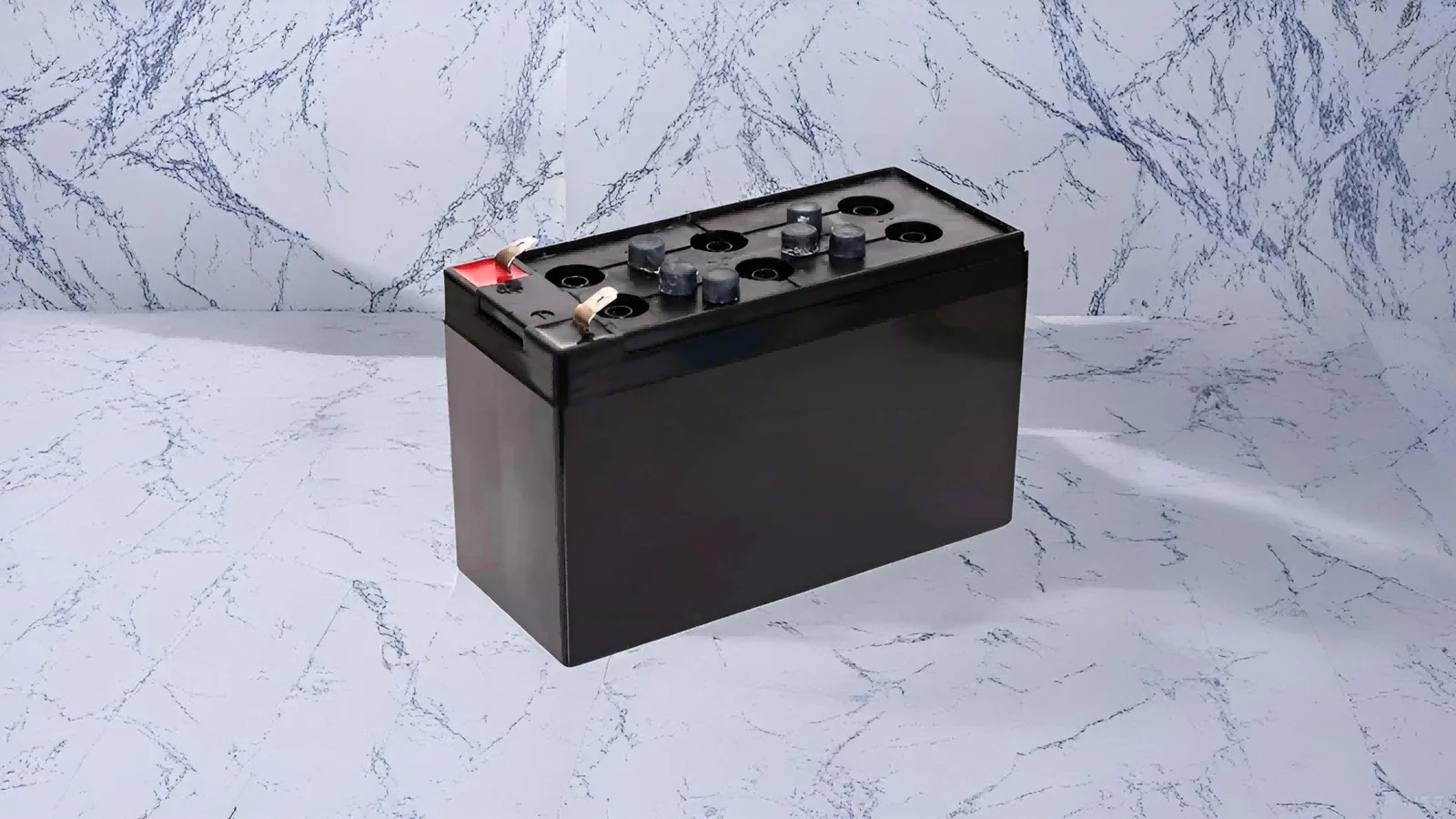
Forklift batteries are considered hazardous materials (HAZMAT) due to the sulfuric acid, heavy metals, and explosive hydrogen gas they contain. They are classified as Hazard Class 8 (corrosive) or Class 9 (miscellaneous dangerous goods) depending on if they are wet or dry, and require specific shipping regulations.
Why Forklift Batteries Are Classified as HAZMAT
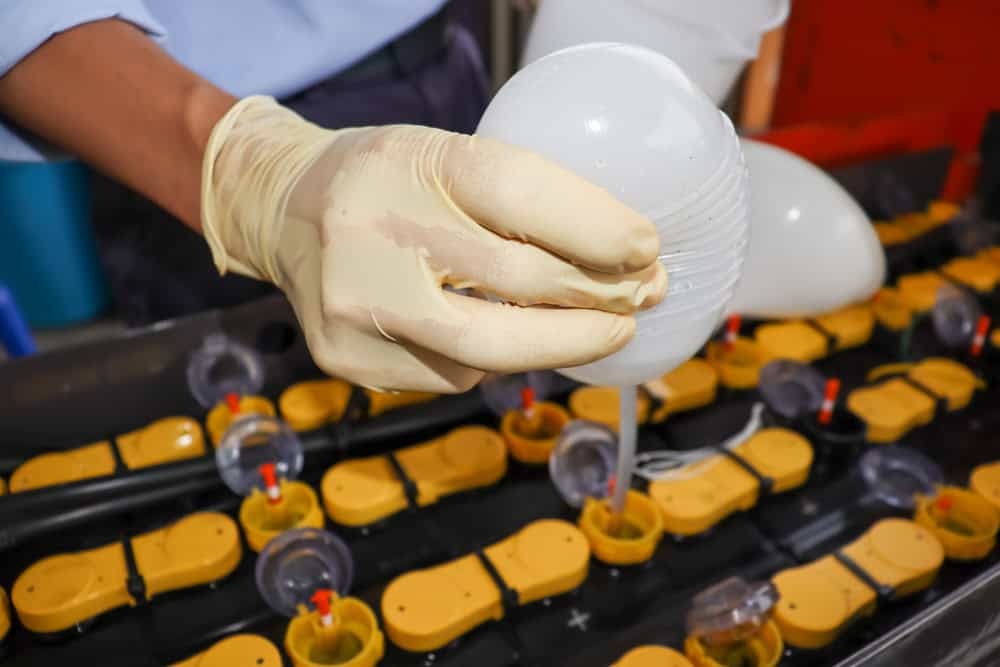
Forklift batteries pose significant risks during handling, charging, and transportation because of their chemical composition and potential for leaks, fires, or explosions. Wet lead-acid batteries contain concentrated sulfuric acid, which is highly corrosive and can cause severe burns or environmental damage. They also generate hydrogen gas during charging, creating explosion hazards in confined spaces. Lithium-ion forklift batteries, while safer overall, still fall under Class 9 due to thermal runaway risks if damaged. These classifications trigger strict packaging, labeling, and documentation requirements under U.S. Department of Transportation (DOT) and international regulations.
Key Details on Forklift Battery HAZMAT Classification
Wet/Flooded Lead-Acid Batteries
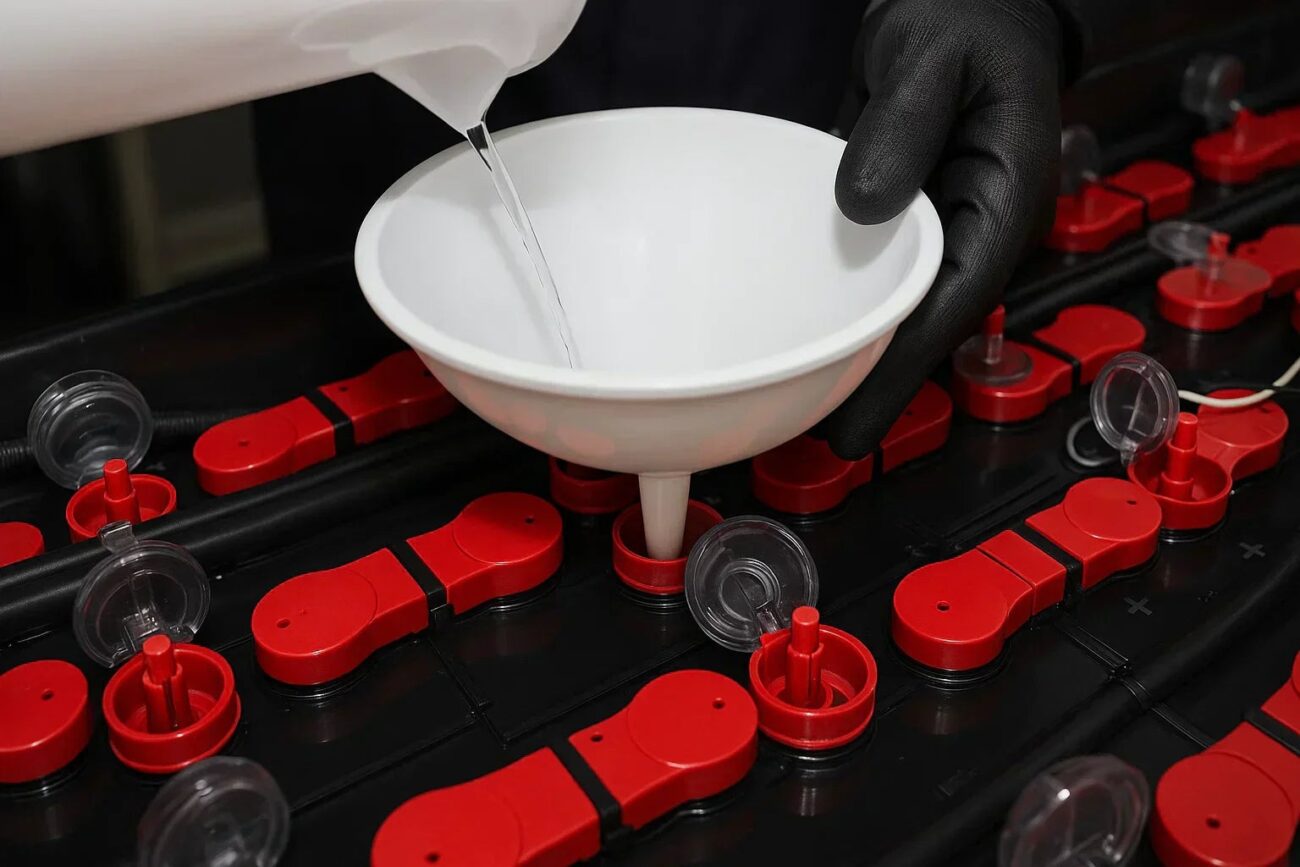
Most traditional forklift batteries are flooded lead-acid and classified as **Hazard Class 8 (Corrosive)**. They contain sulfuric acid electrolyte and lead plates, both regulated substances. When shipping, they must be upright, properly secured, and labeled with UN2794 or UN2795 codes. Facilities storing more than 500 pounds of sulfuric acid must comply with EPA reporting thresholds. Spills require immediate neutralization and special cleanup procedures.
Lithium-Ion Batteries
Lithium-ion forklift batteries are typically classified as **Class 9 (Miscellaneous Dangerous Goods)** under UN3480 or UN3481. While they contain no liquid acid, the high-energy lithium cells can overheat or catch fire if damaged or short-circuited. Shipping requires specialized packaging, short-circuit protection, and often a Class 9 label. Many carriers limit quantities or require additional testing and certification for lithium packs.
Shipping & Handling Requirements
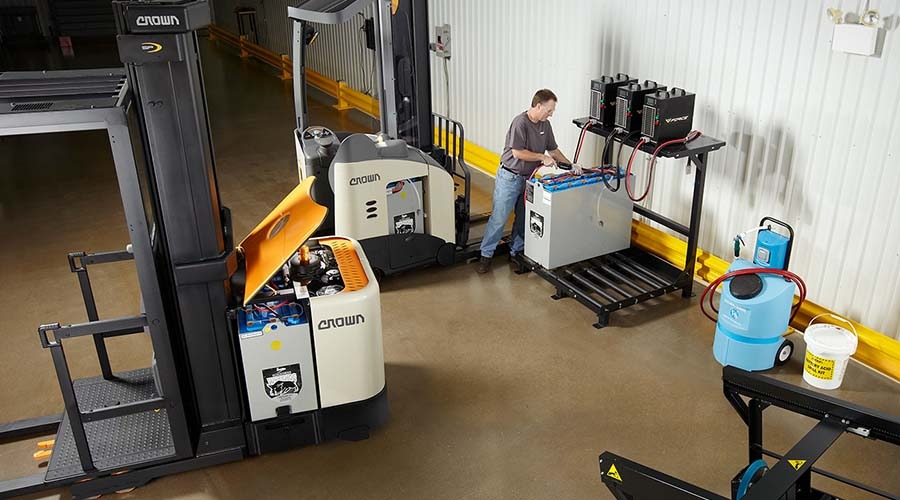
All forklift batteries must follow strict HAZMAT shipping rules. Packages require proper marking, labeling, and shipping papers. Ground transport has fewer restrictions than air freight, where lithium batteries face severe limitations. Employers must train employees on HAZMAT handling, maintain spill kits, and follow OSHA guidelines for charging areas. Improper shipping can result in fines up to $75,000 per violation.
Safety Requirements
Facilities using forklift batteries must implement comprehensive safety programs. This includes proper ventilation during charging to prevent hydrogen buildup, PPE (gloves, goggles, aprons), eyewash stations, and fire suppression systems. Regular battery inspections for leaks or damage are mandatory. Lithium-ion systems reduce many of these risks by eliminating acid and gassing.
What Batteries Are Considered HAZMAT?
Any battery containing corrosive liquids, heavy metals, or high-energy cells is typically classified as HAZMAT. This includes:
- All wet/flooded lead-acid batteries (Class 8)
- AGM and gel batteries (still Class 8 due to acid content)
- Lithium-ion and lithium-metal batteries (Class 9)
- Nickel-cadmium and nickel-metal hydride batteries in some cases
Even small sealed batteries can be regulated if they exceed certain watt-hour limits for lithium types.
Which Batteries Are Not Considered Hazardous?
Some modern batteries are exempt or have minimal restrictions:
- Dry-cell alkaline or carbon-zinc batteries (below certain size limits)
- Properly packaged and tested lithium-ion batteries under 100Wh (for small devices)
- Sealed lead-acid batteries meeting specific non-spillable tests (sometimes exempt from Class 8)
However, almost all forklift-scale batteries exceed these exemptions and remain fully regulated.
Why Lithium-Ion Is the Safer Alternative
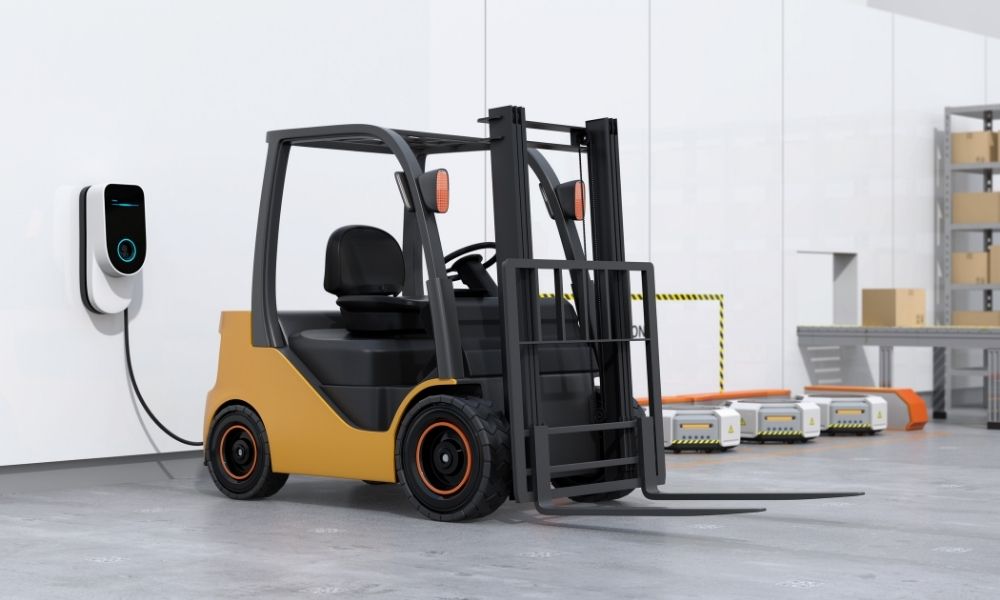
Switching to lithium-ion forklift batteries significantly reduces HAZMAT concerns. They contain no liquid acid, produce no hydrogen gas during charging, and require far less special handling. Many lithium packs meet stricter safety standards and are easier to transport. Facilities that upgrade report fewer regulatory headaches, lower insurance costs, and dramatically reduced spill risks. While the upfront cost is higher, the long-term safety and compliance benefits make lithium the preferred choice for modern operations.
Conclusion
Forklift batteries are indeed HAZMAT due to corrosive acid, heavy metals, and explosion risks, requiring strict compliance with Class 8 or Class 9 regulations. Understanding these classifications helps facilities maintain safety and avoid costly fines. While lead-acid batteries demand the most attention, lithium-ion technology offers a much safer and simpler path forward. For reliable, long-lasting, and lower-hazard power solutions, explore premium lithium options designed specifically for material handling equipment.
Add a review
Your email address will not be published. Required fields are marked *