What Is a Forklift Freeze-Out Plug?
A forklift freeze-out plug is a small engine component that seals coolant passages and helps protect engine blocks from damage.


A forklift freeze-out plug is a small engine component that seals coolant passages and helps protect engine blocks from damage.
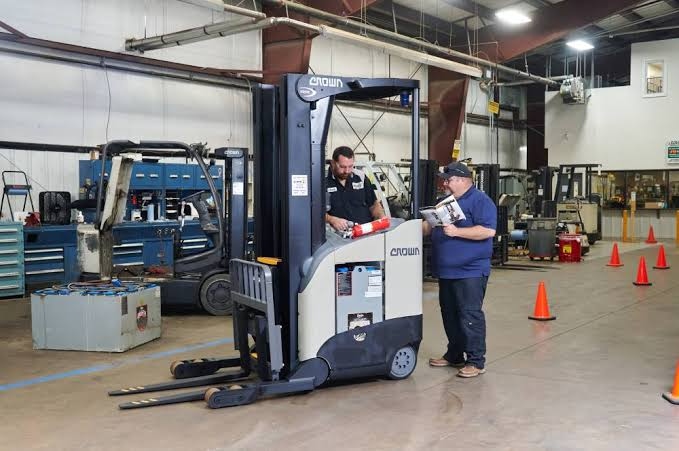
Plugging on a forklift is a motor braking method that slows the truck by reversing direction while moving.

A counterweight forklift uses a heavy rear mass to balance front loads, making it one of the most common forklift types.
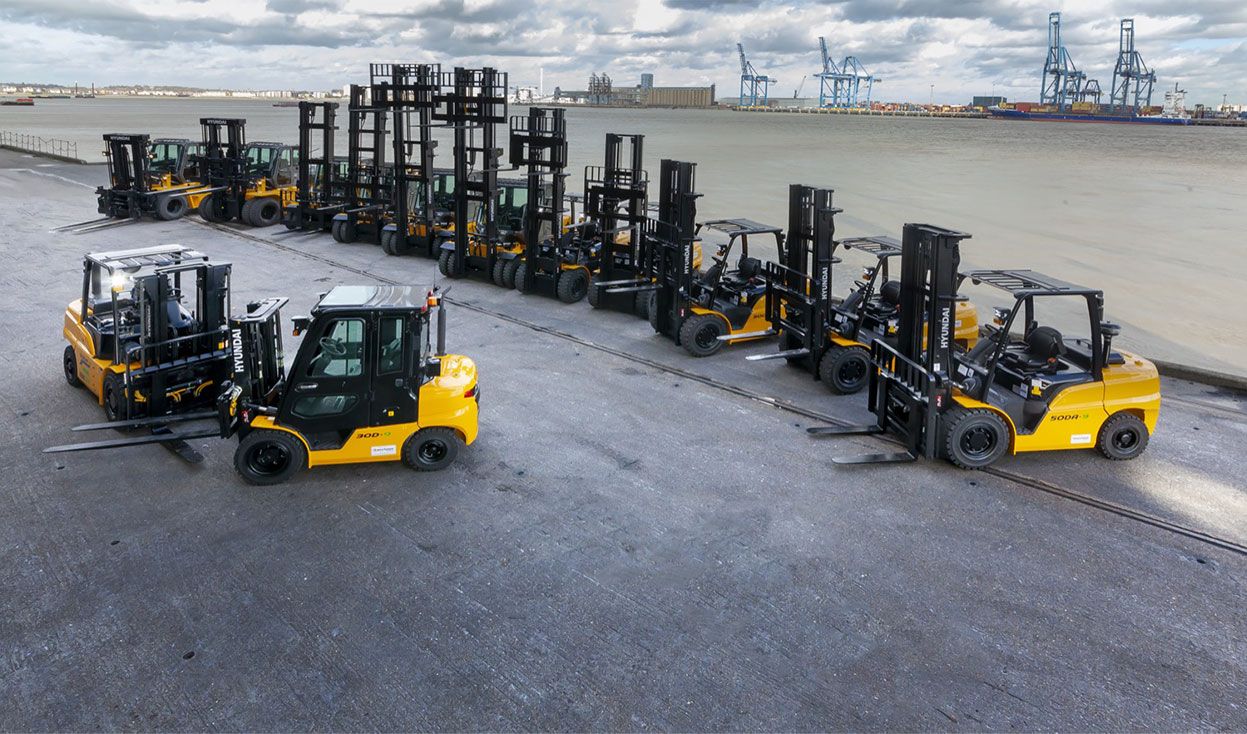
Forklifts are used across warehouses, manufacturing, construction, agriculture, shipping, recycling, and many other industries worldwide.
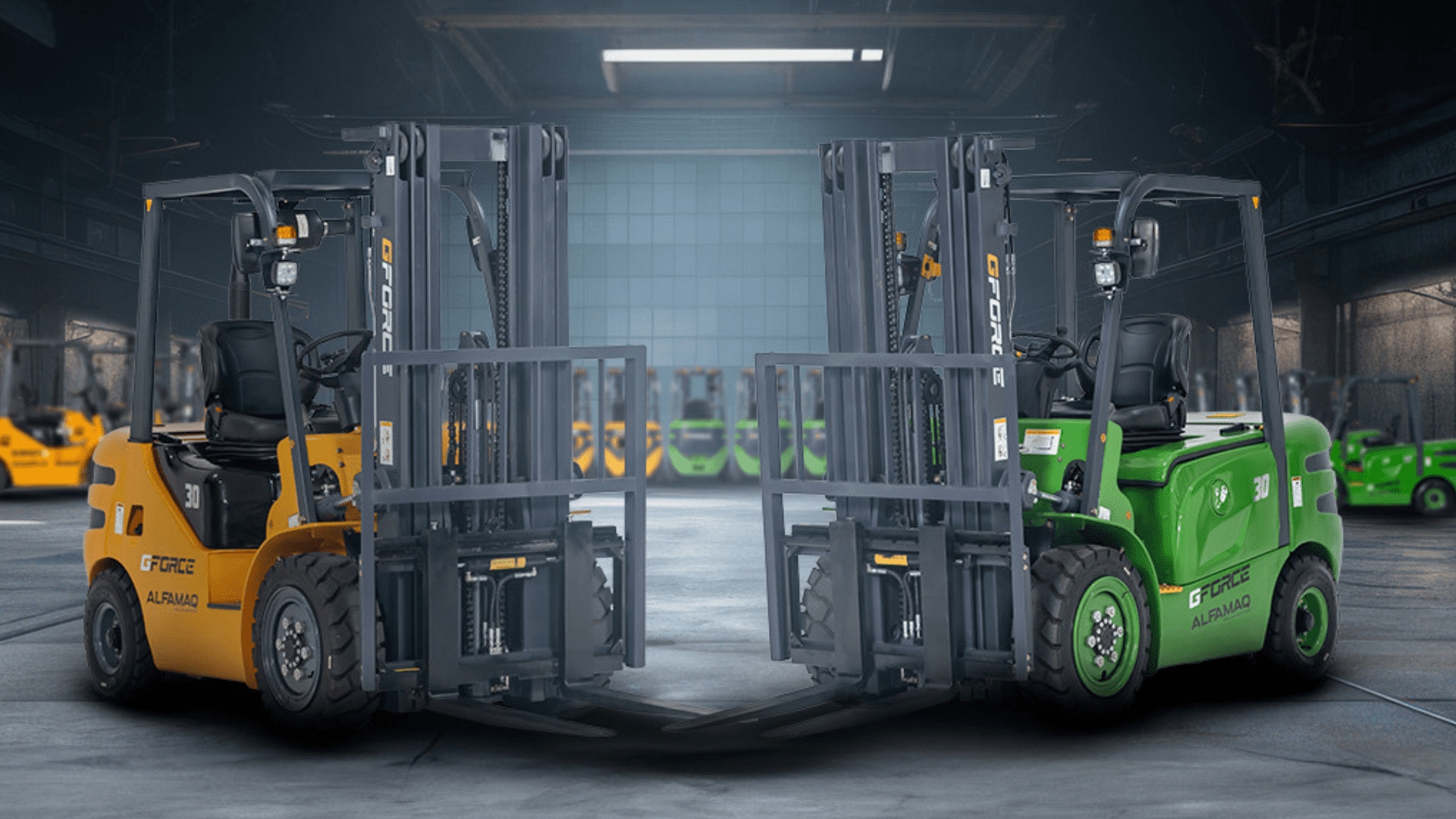
Parking a forklift safely requires a flat area, lowered forks, neutral controls, parking brake engagement, and proper shutdown.
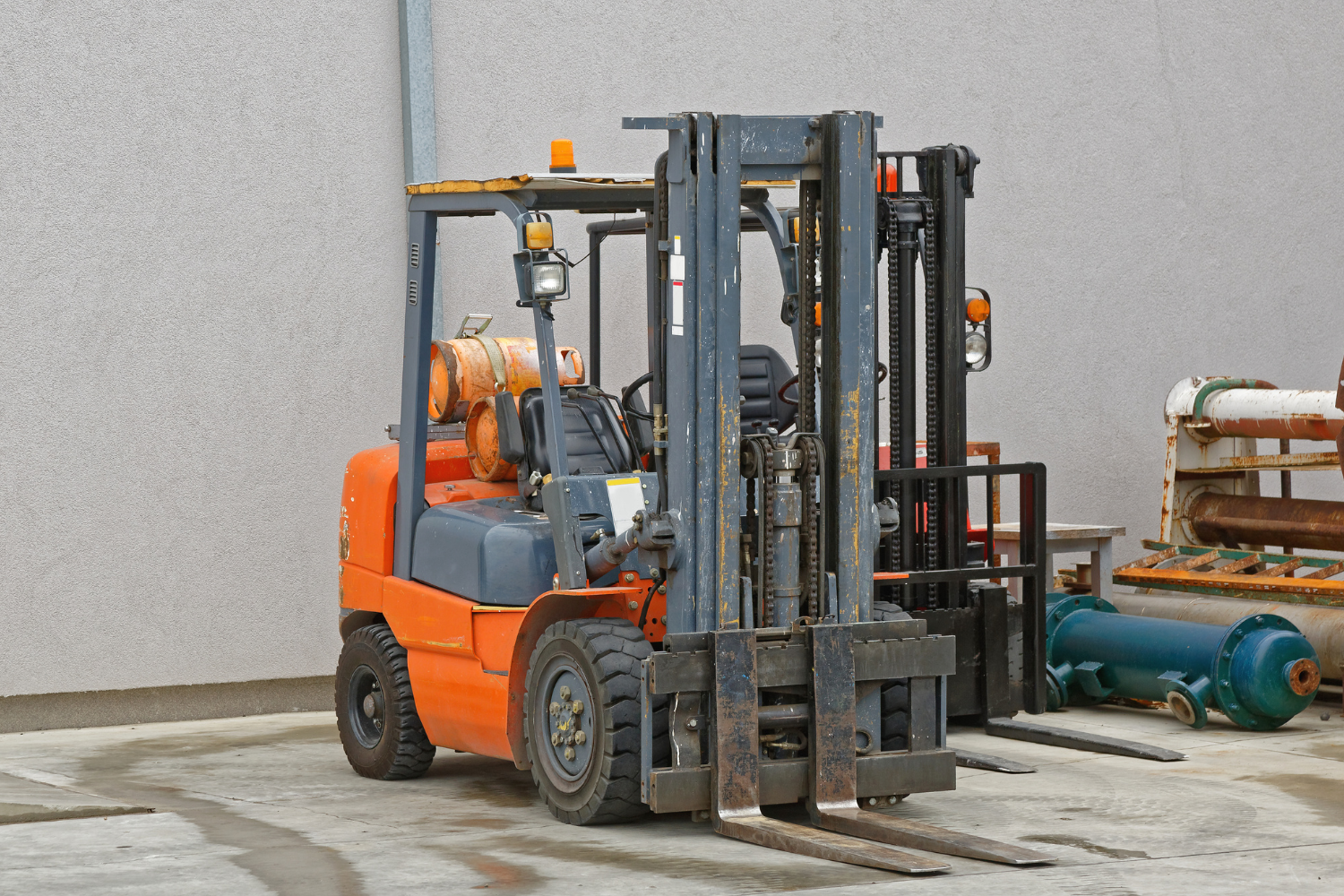
Not every 33 lb forklift propane tank can be used horizontally unless its orientation, valve, and locating pin match the truck.
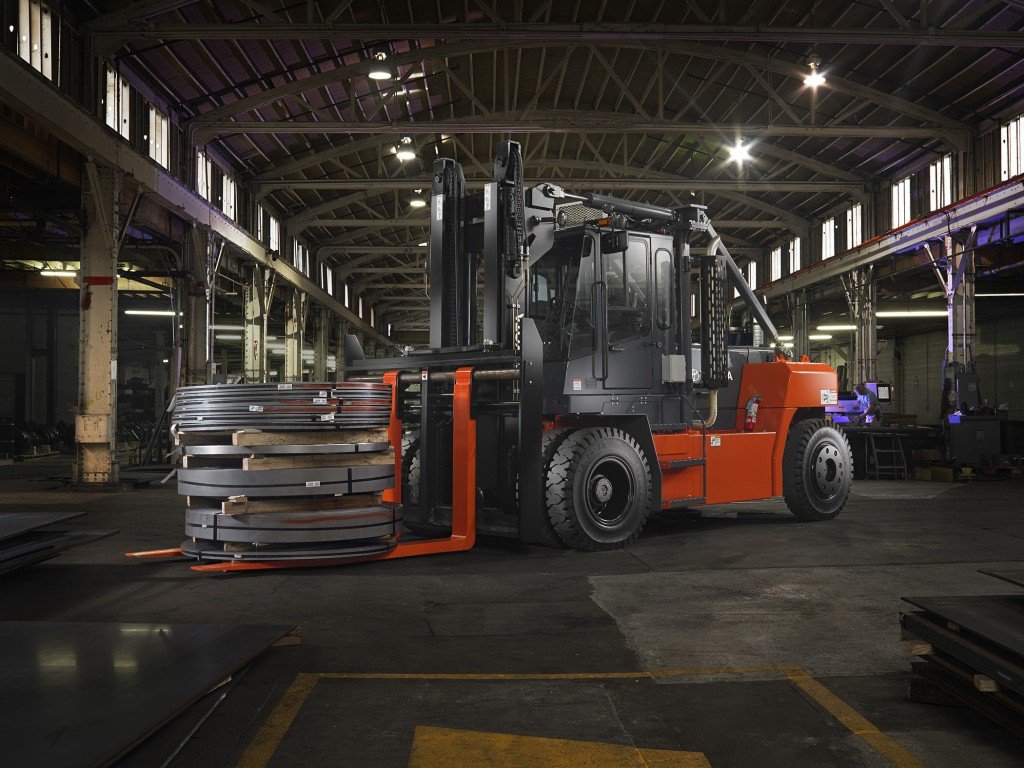
A 5000 lb capacity forklift usually weighs 7500 to 10000 lb unloaded, depending on fuel type, battery, and configuration.
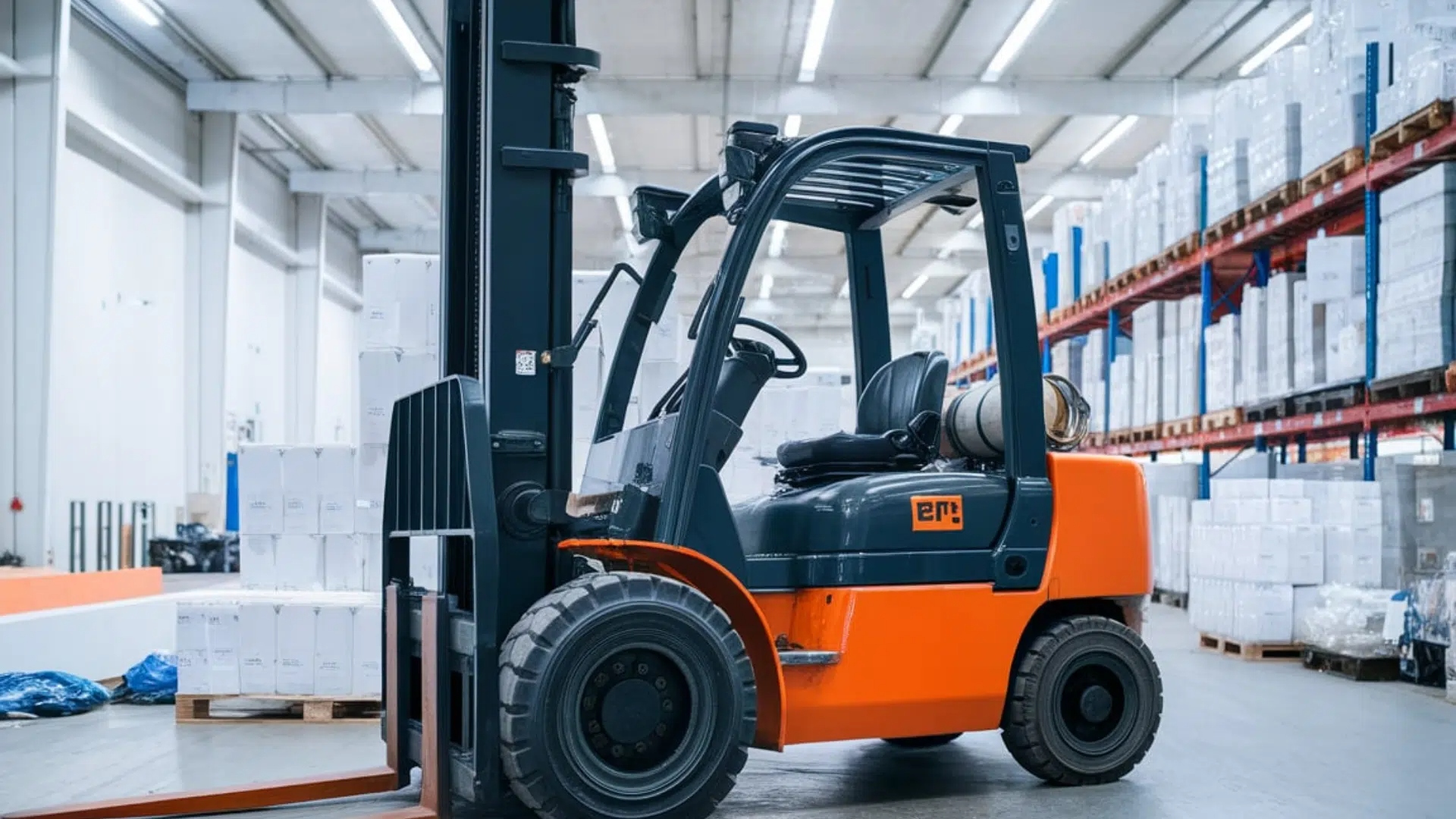
A 6000 lb capacity forklift usually weighs about 9500 to 11000 lb empty, depending on power type and configuration.
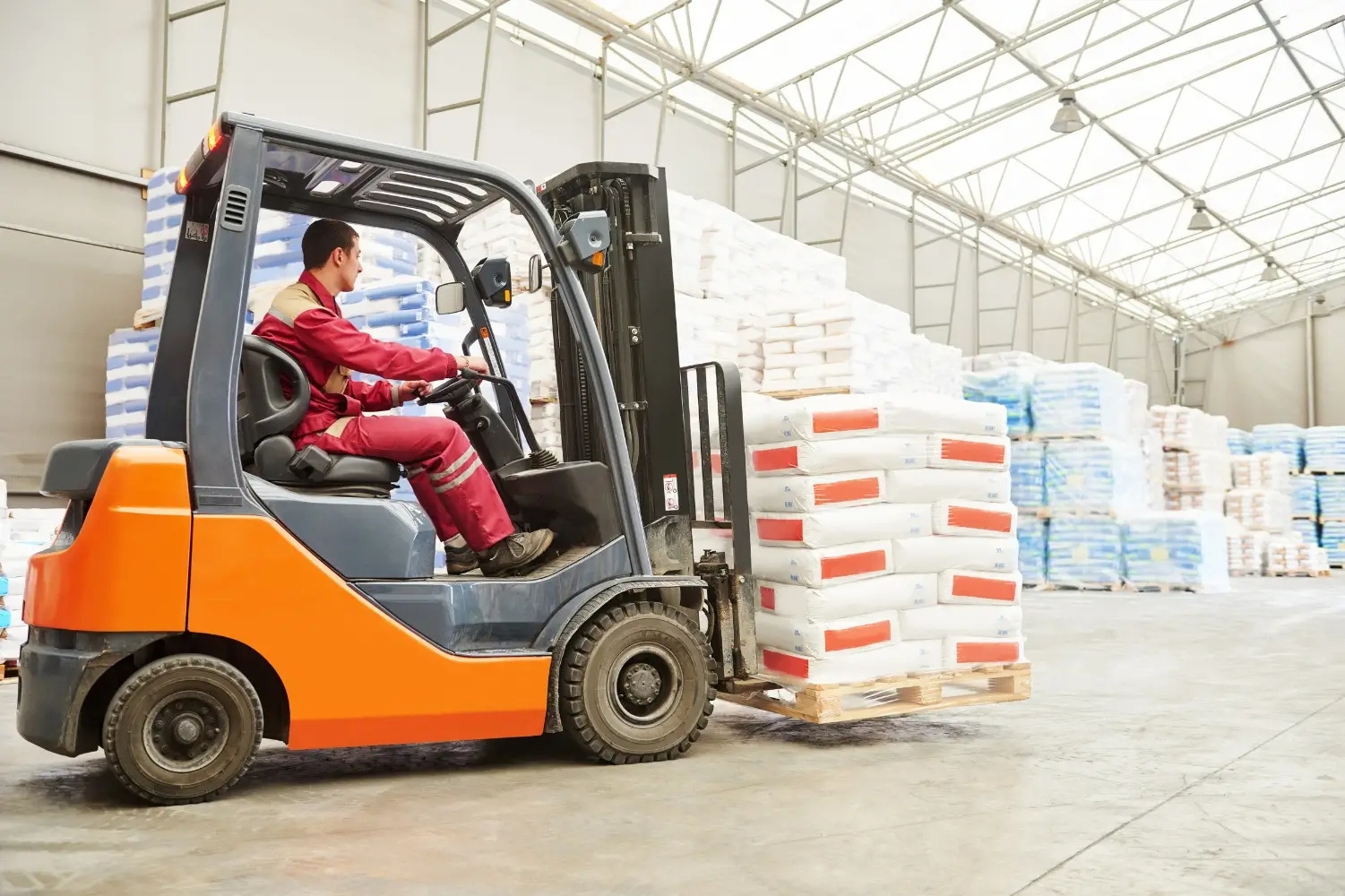
An unloaded 5000 lb capacity forklift usually weighs about 7500 to 9500 lb, with 9000 lb as a common estimate.
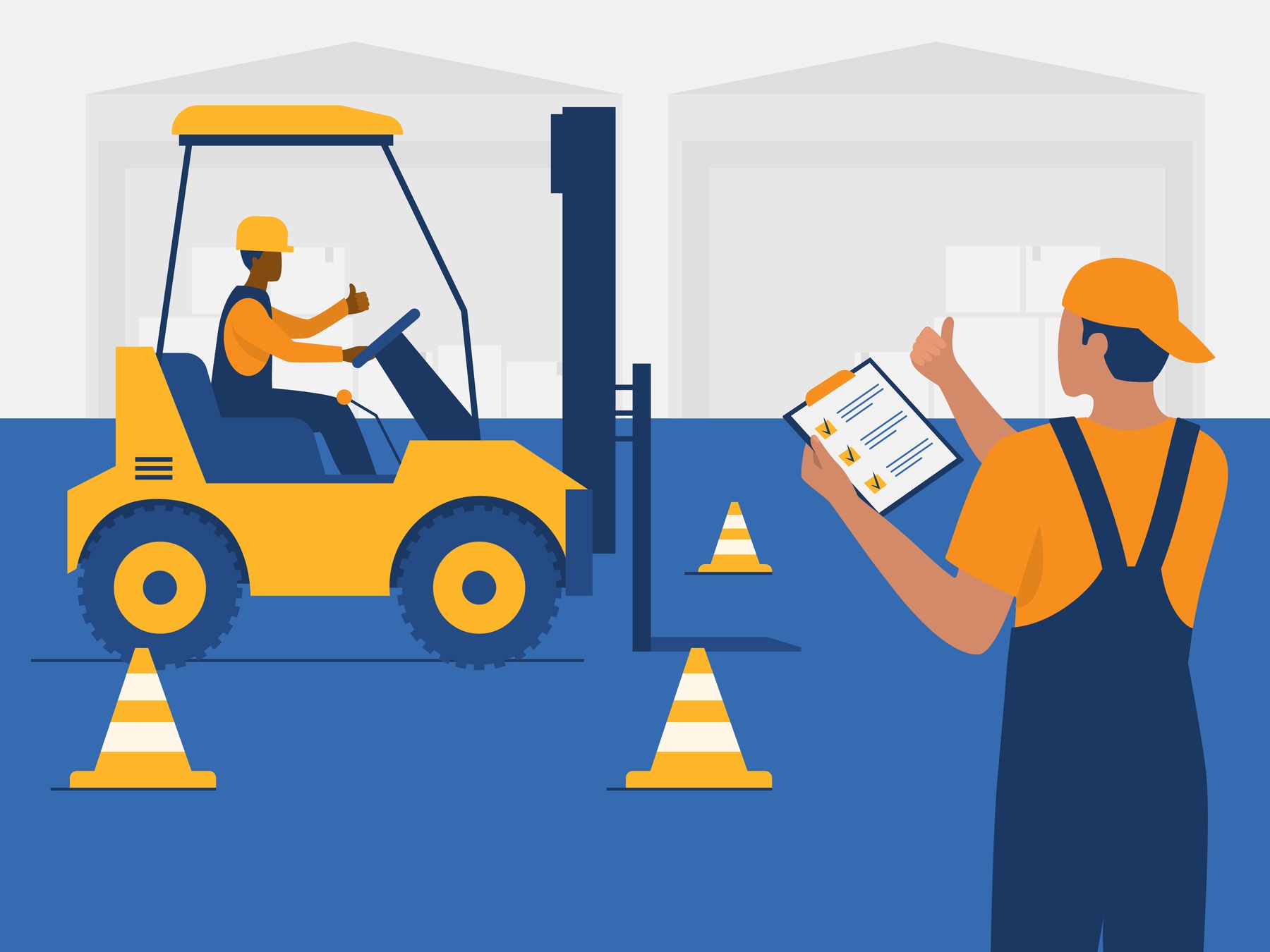
You should drive a forklift in reverse when the load blocks forward visibility or when ramp safety requires the load to face uphill.