
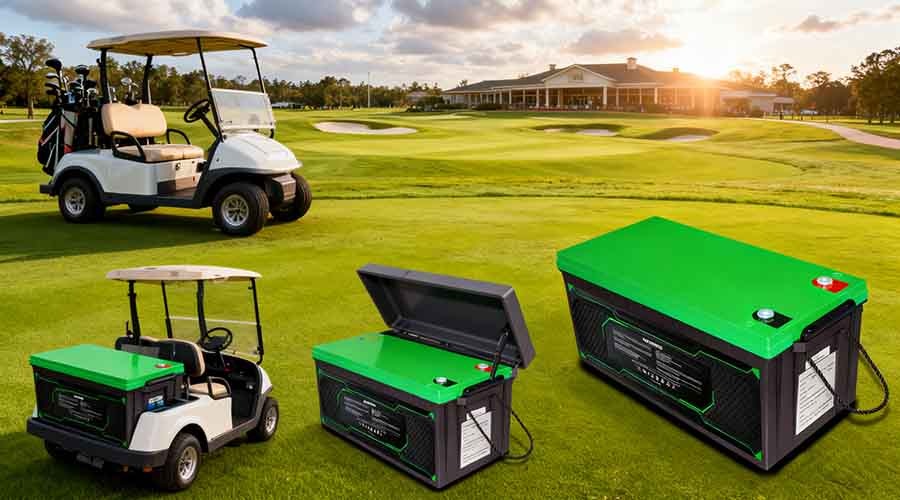
Can You Overcharge Golf Cart Batteries? Risks, Symptoms & Prevention Guide
Yes, you can overcharge golf cart batteries — especially traditional lead-acid types — which damages internal plates, causes excessive gassing, and dramatically shortens lifespan. Modern lithium batteries are far more tolerant when paired with the correct charger. Understanding proper charging practices protects your investment and keeps your cart running reliably.
Can You Overcharge a Golf Cart Battery?
Absolutely — and it happens more often than most owners realize. Lead-acid golf cart batteries are particularly vulnerable because they require precise voltage control during the final stage of charging. If the charger continues pushing current after the battery reaches full capacity, the electrolyte begins to boil, plates corrode, and water is lost through gassing. Over time this leads to sulfation, reduced capacity, and premature failure.
Lithium (LiFePO4) golf cart batteries are much more forgiving. Their built-in Battery Management System (BMS) automatically cuts off charging once the cells are full, preventing overcharge damage. This is one of the biggest reasons owners upgrade to lithium — it eliminates the constant worry about overcharging.
What Causes Overcharging in Golf Cart Batteries?
Several common mistakes lead to overcharging:
- Using an old or mismatched lead-acid charger on a new battery set
- Leaving the charger plugged in for days or weeks without a proper float/maintenance mode
- Faulty charger that fails to switch from bulk to absorption/float stage
- Charging in extreme heat, which lowers the safe voltage threshold
- Equalization mode left on too long or performed too frequently
Many older golf cart chargers were designed for flooded batteries and lack smart electronics. They simply push a fixed voltage for a set time, which is fine for occasional use but harmful when the battery is already full.
Overcharged Golf Cart Battery Symptoms
Watch for these clear warning signs that your batteries have been overcharged:
- Excessive water loss — batteries need topping off every week instead of every month
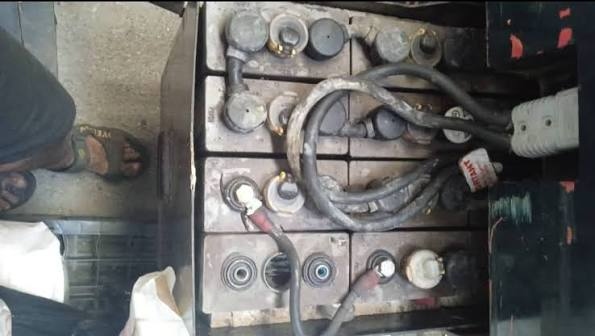
- Heavy corrosion and white powder buildup on terminals
- Batteries feel hot to the touch after charging
- Strong rotten-egg sulfur smell during or after charging
- Bulging or swollen battery cases
- Reduced runtime and slower acceleration even after a full charge
- Charger stays in “bulk” mode much longer than normal
If you notice any of these, stop using the current charger immediately and test the batteries.
Do Golf Cart Chargers Stop Charging When Full?
It depends on the charger. Basic or old lead-acid chargers often do not stop — they continue trickle-charging or even maintain a constant voltage, slowly overcharging the batteries. Smart multi-stage chargers with proper float or maintenance modes will reduce current to a very low level once the battery is full, preventing damage. Lithium-specific chargers are the safest option because they are programmed to shut off completely or switch to a safe storage voltage once the pack reaches 100%.
Should I Charge My Golf Cart Battery After Every Use?
Yes — for best results and longest life, charge after every use. This is especially important for lead-acid batteries to prevent sulfation. Leaving them in a partially discharged state for more than 24 hours causes permanent damage. Lithium batteries are more tolerant of partial charges but still benefit from regular top-offs to keep cells balanced. A quality smart charger with automatic maintenance mode makes daily charging completely safe and effortless.
Prevention Tips & Best Practices
To avoid overcharging:
- Always use a charger matched to your battery type (lead-acid vs lithium)
- Never leave a basic charger plugged in for more than 12–24 hours
- Invest in a smart charger with automatic shut-off or float mode
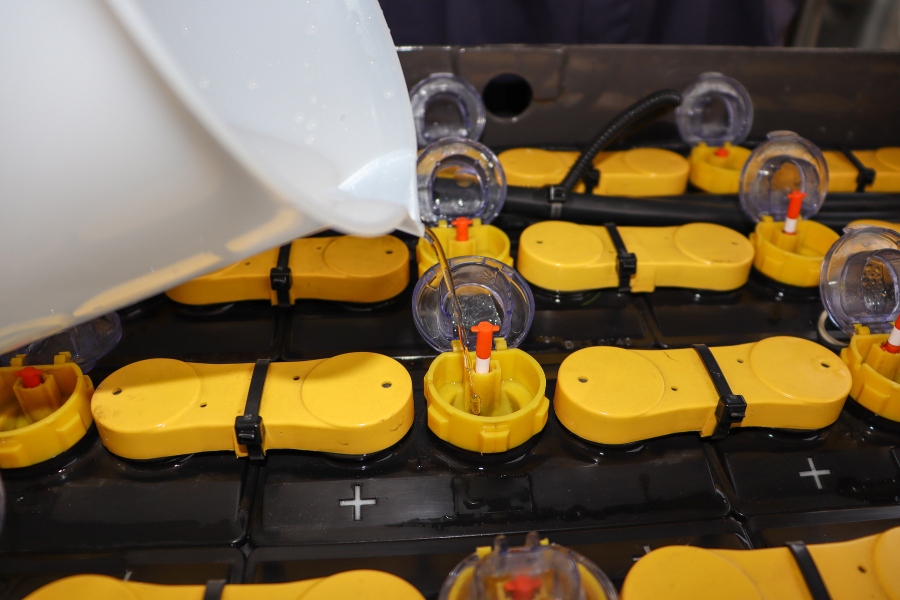
- Check water levels monthly on flooded batteries
- Consider upgrading to lithium for peace of mind
Modern lithium golf cart batteries from trusted brands like Hydrocell include advanced BMS protection that makes overcharging virtually impossible when paired with the correct charger.
Conclusion
Overcharging golf cart batteries is a common and costly mistake that shortens lifespan and creates safety risks. By understanding the causes, recognizing the symptoms, and using the right charger for your battery type, you can protect your investment and enjoy many more seasons of reliable performance. For the simplest and safest solution, upgrading to lithium technology eliminates overcharging worries while delivering dramatically longer range and zero maintenance.
Ready to upgrade? Explore premium lithium golf cart batteries designed for worry-free charging and years of dependable service.
Add a review
Your email address will not be published. Required fields are marked *