

how to tell which golf cart battery is bad
To identify a bad golf cart battery, fully charge the pack and use a multimeter to check individual battery voltage; a significantly lower reading after a test drive indicates failure. Inspect for physical damage like swelling or corrosion, and use a hydrometer to check for low specific gravity in individual cells. Spotting the weak link early saves money on golf cart battery replacements.
Why Finding the Bad Battery Matters
In a series-wired golf cart, one weak battery limits the entire pack’s performance. Continuing to drive with a failing battery can damage the other batteries, reduce range dramatically, and lead to sudden breakdowns. Identifying the problem battery quickly allows you to replace only the faulty unit instead of the whole set, saving hundreds of dollars.
Step-by-Step Process to Pinpoint a Bad Battery
1. Physical Inspection
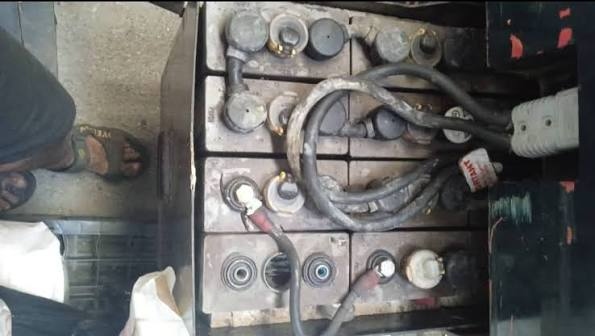
Start with a visual check of all batteries. Look for bulging or swollen cases, cracks, leaks of acid, or heavy white/blue/green corrosion on terminals. A rotten-egg smell or one battery that feels unusually hot after use are also clear warning signs of internal failure or overcharging.
2. Voltage Testing (Static Test)
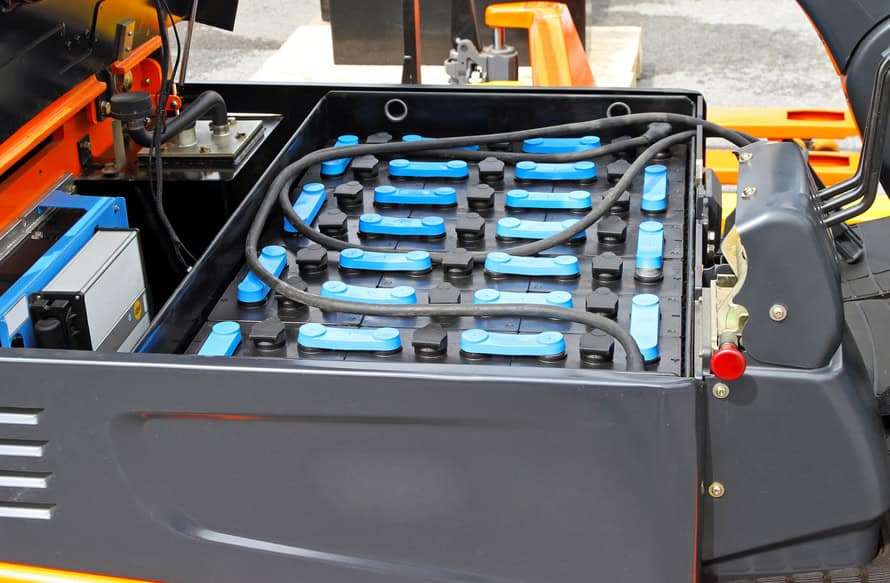
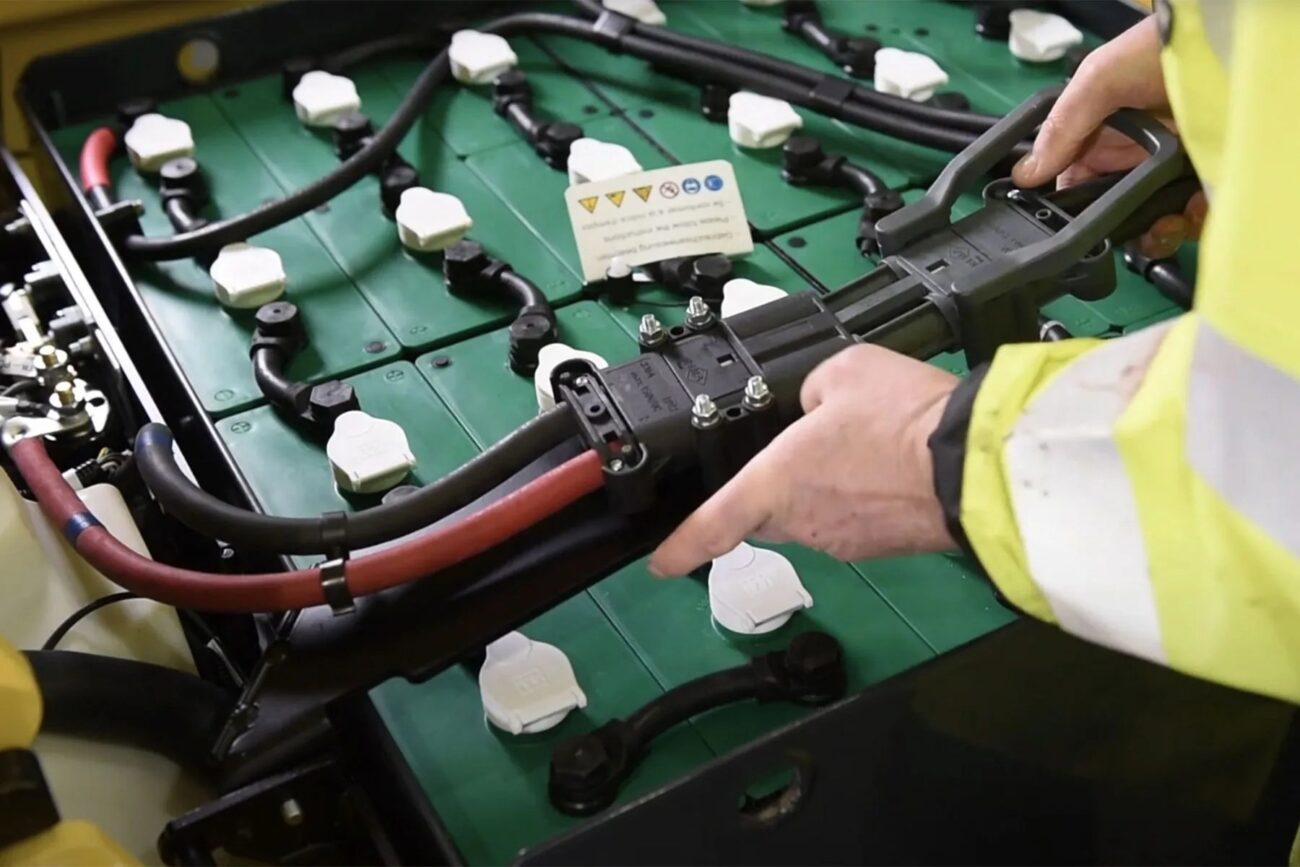
Fully charge the entire pack, then let the batteries rest for at least 12 hours. Set a digital multimeter to DC volts (20V range). Test each battery individually:
- 6V battery: Healthy = 6.3V or higher
- 8V battery: Healthy = 8.4V or higher
- 12V battery: Healthy = 12.6V–12.8V
Any battery reading 0.2V or more below the others is likely bad.
3. Load Testing (Under Real Use)
Static voltage can be misleading. Perform a load test by driving the cart or using a carbon-pile load tester. Monitor voltage on each battery while under load. A bad battery will show a rapid voltage drop (often 1V or more) while healthy batteries remain stable. This is the most reliable way to confirm a failing unit.
4. Hydrometer Test (Flooded Lead-Acid Only)
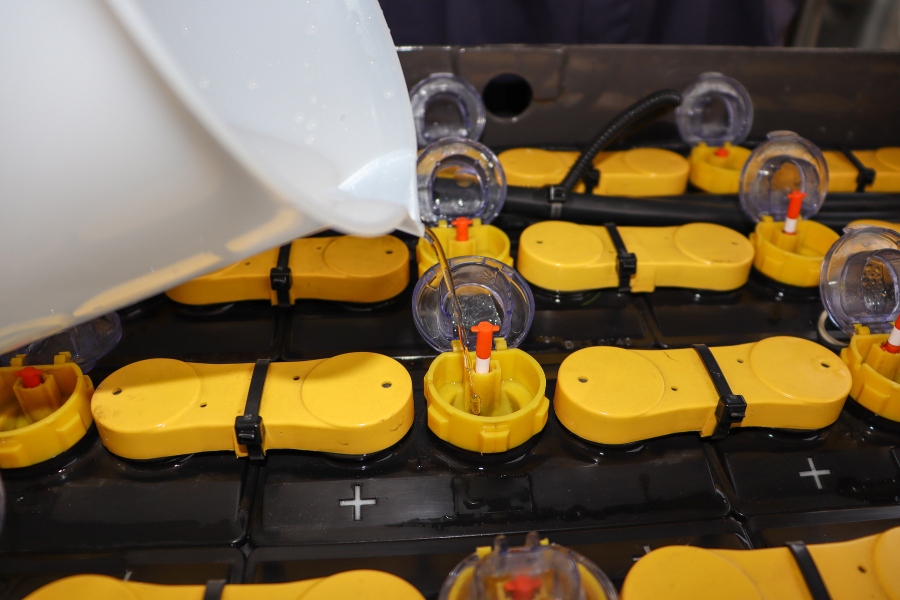
For wet-cell batteries, remove the caps and test the specific gravity of the electrolyte in each cell with a hydrometer. Fully charged cells should read 1.265–1.280. A cell that reads significantly lower than the others in the same battery indicates a dead or sulfated cell.
5. Monitor Real-World Performance
Pay attention to how the cart behaves. If one battery charges much faster than the others, causes hesitation on hills, or makes the cart feel sluggish even after a full charge, it is almost certainly the weak link.
Key Indicators of a Bad Battery
Watch for these common signs:
- Sudden voltage drop during operation
- Excessive water usage (the battery boils out electrolyte)
- Heavy or recurring corrosion on terminals
- One battery consistently hotter than the rest
- Reduced overall range or slower acceleration
Will a Golf Cart Run with One Bad Battery?
Yes, the cart will usually still run, but performance will suffer noticeably. You may experience shorter range, weaker acceleration, and difficulty climbing hills. The bad battery works harder, which can damage the remaining good batteries over time. It is never recommended to continue driving with a known bad battery.
How to Tell Which Golf Cart Battery Has a Bad Cell?
For flooded lead-acid batteries, the hydrometer test is the best way to identify a bad cell. After a full charge and rest period, test every cell. A cell reading more than 0.050 points lower than the others in the same battery has failed. Voltage testing combined with load testing will also point to the battery containing the bad cell.
Conclusion
Learning how to tell which golf cart battery is bad using simple tools and tests takes only minutes but can save you significant time and money. Regular checks every few months keep your pack healthy and prevent unexpected breakdowns. When multiple batteries test bad or the pack is over five years old, replacing the entire set with modern lithium technology is often the smartest long-term choice.
For reliable, long-lasting performance with minimal maintenance, explore premium golf cart battery options that virtually eliminate the need for frequent testing and deliver consistent power round after round.
Add a review
Your email address will not be published. Required fields are marked *